Category: Athlete Goals

  • How the World Cup Inspires the Next Generation of Canadian Players

    How the World Cup Inspires the Next Generation of Canadian Players

    For young soccer players across Canada, the FIFA World Cup is more than just a tournament, it is a source of inspiration and possibility.

    Every four years, the world’s best players and nations come together on soccer’s biggest stage. Children watch in awe as elite athletes showcase their skill, determination, and passion in front of millions of fans. For many young Canadians, these moments spark dreams of one day wearing the maple leaf and representing their country at the highest level.

    The impact of the World Cup extends far beyond the final score. It encourages young athletes to spend more time on the field, practice new skills, and develop a deeper love for the game. Seeing players overcome challenges, work as a team, and perform under pressure teaches valuable lessons that apply both on and off the pitch.

    Canada’s growing presence in international soccer has made those dreams feel more attainable than ever. With Canadian players competing in top professional leagues around the world and the national team earning global recognition, young athletes now have visible role models who demonstrate that success is possible. These players have shown that dedication, perseverance, and hard work can open doors to opportunities on the world stage.

    The 2026 FIFA World Cup, co-hosted by Canada, represents a particularly significant moment for youth soccer. For the first time, many young Canadians will have the opportunity to experience World Cup matches in their own country. Seeing the excitement firsthand, attending matches, and being part of the atmosphere can leave a lasting impression on aspiring players.

    The tournament also shines a spotlight on grassroots soccer programs, local clubs, coaches, and communities that help develop future talent. Increased interest in the sport often leads to greater participation, giving more children the chance to discover and enjoy soccer. As more young players join teams and develop their skills, the future of Canadian soccer continues to grow stronger.

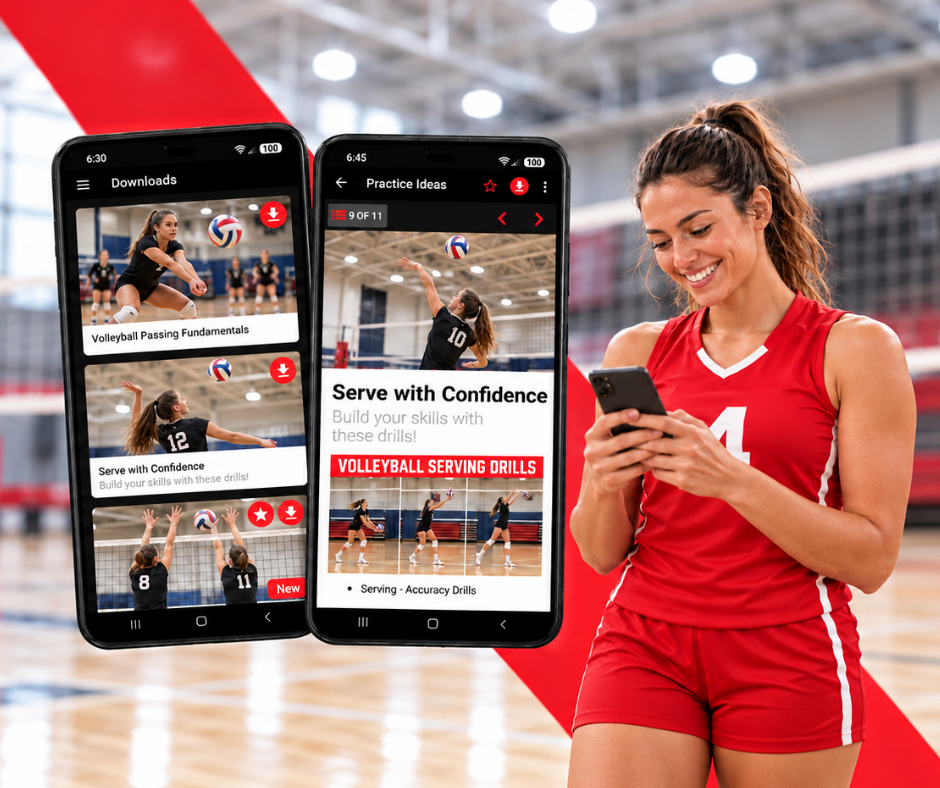
    For coaches and clubs, inspiring the next generation also means providing players with the right tools, resources, and learning opportunities to support their development. Modern coaching platforms such as Ascend help organizations organize training content, share drills and practice plans, and create engaging learning experiences that keep athletes connected and progressing throughout their journey.

    Perhaps most importantly, the World Cup reminds young athletes that every professional player once started where they are now which is playing for fun, learning the fundamentals, and dreaming big. The journey from a local field to the world’s biggest sporting event may seem distant, but every practice, every match, and every lesson learned is a step forward.

    For Canada’s next generation of players, the World Cup is proof that dreams can become reality and with the support of dedicated coaches, clubs, and innovative coaching tools, those dreams have never been closer.

  • Before Sunrise: The Value of Early-Morning Training

    Before Sunrise: The Value of Early-Morning Training

    Long before the crowd arrives and the scoreboard lights up, athletes are already putting in the work.

    While most people are still asleep, training fields, tracks, gyms, and courts begin to fill with individuals committed to improving their craft. The early hours have long been associated with athletic dedication, but the value of a 6 a.m. training session goes far beyond simply getting a workout completed before the day begins.

    Early-morning training is rarely about recognition. There are no spectators applauding a difficult conditioning session or congratulating an athlete for completing one more repetition. Instead, these moments are about building something less visible but equally important such as consistency.

    Athletic success is often measured by results—wins, medals, personal bests, or championships. However, those outcomes are usually the product of habits developed over months and years. Showing up before sunrise requires commitment. It demands athletes prioritize preparation, manage their time effectively, and maintain discipline even when motivation is low.

    This consistency becomes especially valuable when pressure arrives. During a close match, a crucial tournament, or a defining moment in competition, athletes rely on the habits they have built through training. Confidence is not created overnight. It is earned through repeated actions that reinforce preparation and readiness.

    Every sprint completed before dawn, every strength session, and every skill repetition contributes to long-term development. These seemingly small efforts accumulate over time, creating improvements that may not be noticeable from day to day but become significant over an entire season or career.

    There is also a mental component to early-morning training. Choosing to get out of bed and begin the day with purposeful work strengthens resilience. Athletes learn to perform regardless of conditions, energy levels, or convenience. That mindset often becomes a competitive advantage when challenges arise.

    Of course, success in sport is not determined by what time an athlete trains. Recovery, nutrition, and smart programming all play essential roles in performance. Yet the symbolism of the early session remains powerful. It represents a willingness to invest in improvement before anyone else is watching.

    Champions are rarely defined by a single game or performance. More often, they are shaped by countless decisions made in the quiet hours of the morning.

    For coaches and sports organizations, creating an environment that encourages these habits is just as important as designing effective training sessions. The right tools, resources, and development pathways can help athletes stay engaged, accountable, and committed to long-term growth. See how Ascend helps coaches and organizations deliver training, education, and development at every level. Plus this is to help your athletes build the habits that drive long-term success.

    Every early start is a choice. A clear decision to prioritize growth over comfort and preparation over excuses. And while those moments may never appear on the scoreboard, they often make all the difference when they do.

  • Coach’s Toolkit: One Question Worth Asking

    Coach’s Toolkit: One Question Worth Asking

    If a new coach joined your organization tomorrow, how long would it take them to understand how you do things?

    A day? A week? A season?

    The answer reveals more than you might think. It offers a glimpse into the strength, sustainability, and scalability of your coaching system.

    Many organizations operate on what could be called “tribal knowledge” which are the unwritten habits, expectations, and methods that exist primarily in the minds of veteran coaches. These systems often function well when the same people remain in place year after year. But what happens when someone leaves? What happens when a new coach arrives, eager to contribute but unsure of the organization’s philosophy, standards, or expectations?

    Without a clear framework, the learning curve can be steep. New coaches spend valuable time trying to decode how things are done rather than focusing on athlete development. Consistency suffers, communication becomes fragmented, and the quality of the athlete experience can vary dramatically from team to team.

    Strong organizations take a different approach.

    Rather than relying on individual personalities or institutional memory, they create systems that make good coaching transferable. They document their core principles, define their standards, and establish clear expectations for how coaches teach, communicate, and develop athletes.

    This doesn’t mean every coach becomes identical. Great coaching still requires personality, creativity, and adaptability. What it does mean is that every coach operates from the same foundation. The organization’s values remain consistent, even when personnel change.

    Think about successful businesses, military units, or educational institutions. Their effectiveness isn’t dependent on one person possessing all the answers. Instead, they build processes that allow knowledge to be shared, replicated, and improved over time. Coaching organizations can benefit from the same mindset.

    A coaching framework might include a documented philosophy, practice design principles, communication guidelines, athlete development pathways, or standards for evaluating performance. It serves as a roadmap that helps coaches understand not just what to do, but why they do it.

    The benefits extend beyond onboarding. Clear frameworks improve collaboration among staff members, create greater alignment across age groups or teams, and help leaders identify areas for growth. Most importantly, they provide athletes with a more consistent and supportive environment.

    If you’re unsure where your organization stands, try a simple exercise. Imagine a capable coach joins your staff tomorrow:

    • What resources would you hand them?
    • How quickly could they understand your expectations?
    • Could they confidently explain your coaching philosophy after a few days, or would they need months of observation and trial-and-error?

    The goal isn’t perfection. Every organization evolves, and every system can improve. But the exercise highlights an important truth: sustainable success depends on more than talented individuals.

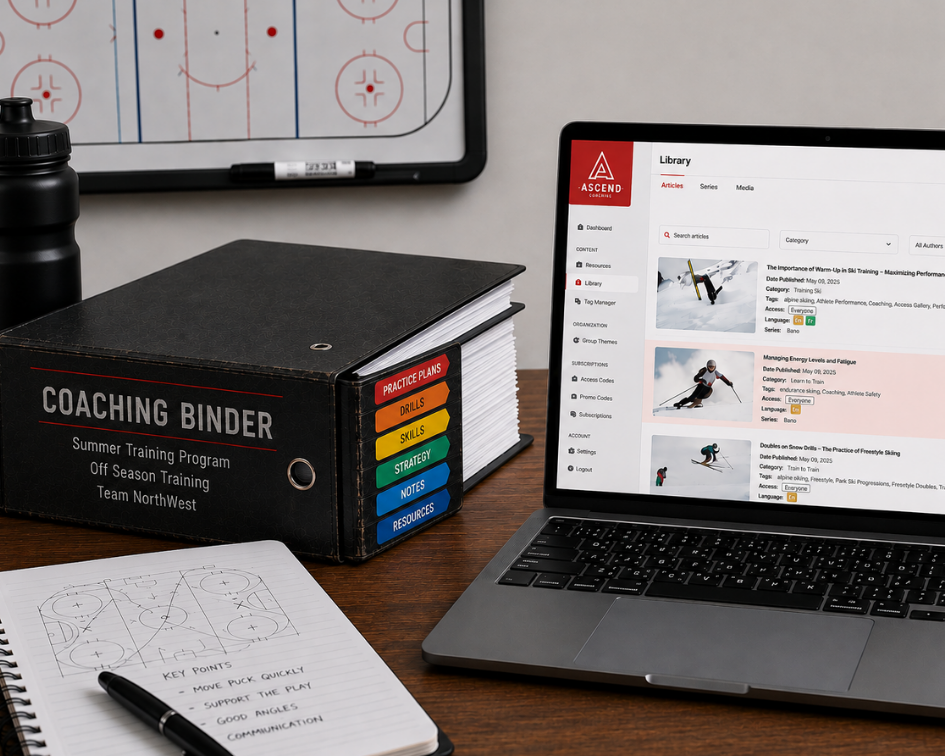
    Building and maintaining these coaching frameworks becomes significantly easier when the right tools are in place. The Ascend App helps coaching organizations centralize resources, align staff around shared standards, and streamline communication across teams. By providing coaches with easy access to philosophies, practice plans, development frameworks, and key organizational documents, Ascend reduces reliance on tribal knowledge and promotes greater consistency throughout the program.

    The result is stronger collaboration among coaches, more efficient onboarding, and a coaching environment designed to drive long-term athlete and organizational performance.

    The strongest organizations don’t leave excellence to chance. They build frameworks that help good coaching spread, regardless of who’s holding the whistle.

    And that may be one of the most important investments a coaching leader can make.

  • The Daily Grind: What Full Commitment Actually Looks Like for Athletes

    The Daily Grind: What Full Commitment Actually Looks Like for Athletes

    Commitment, in the language of sports, is usually dressed up as something cinematic. Passion that burns, a drive that refuses to yield, and the kind of athlete dedication that borders on myth. It makes for good storytelling. But the athletes who actually arrive at their goals tend to inhabit a quieter reality. Their commitment is less a surge of feeling than a pattern of behavior, repeated with stubborn regularity. It is built not on inspiration, but on routine.

    Day after day, it looks almost ordinary. A scheduled session completed whether or not it feels urgent. A meal chosen with intention. There is little drama in it, and even less novelty, nothing cinematic. If anything, it can feel monotonous because success comes in an accumulation of small, disciplined actions.

    Full commitment leads to structured training. Committed athletes don’t just train when they feel like it or rely on random workouts. They follow training plans and even commit to monitoring performance data.

    Every coach knows that every session has a purpose, whether it’s building strength, improving technique, or increasing endurance. They track progress as a team, adjust when necessary, and stay consistent even when motivation dips. This structure removes guesswork and replaces it with direction. Over time, that consistency compounds into measurable improvement. And for measurable improvements, there are sports coaching tools such as the Ascend app – quietly supporting that structure behind the scenes, helping coaches organize sessions, monitor development, and keep athletes aligned with the process that drives real results.

    But training is only one piece of the puzzle. Equally important is recovery, which many overlook. Fully committed athletes understand that progress doesn’t just come from pushing hard, it comes from allowing the body to rebuild. That means prioritizing sleep, scheduling rest days, and using recovery methods like stretching, mobility work, or even simple routines like cooling down properly. Instead of viewing rest as a break from progress, they see it as part of the process itself.

    Another key habit is nutrition. Commitment shows up in what athletes eat just as much as how they train. This doesn’t mean perfection or extreme dieting, but it does mean being intentional. Committed athletes fuel their bodies for performance and recovery. They pay attention to hydration, meal timing, stamina, and balance. Over time, these small, consistent choices support building sustainable habits.

    Beyond the physical, there’s mental preparation. Athletes who are fully committed train their minds as deliberately as they train their bodies. This can include setting clear goals, visualizing performance, reviewing past performances, and developing focus under pressure. They learn how to handle setbacks without losing direction. Instead of being derailed by a bad game or a tough training day, they reflect, adjust, and move forward. Mental discipline keeps them steady when results aren’t immediate.

    Perhaps the most overlooked aspect of commitment is sacrifice. The daily grind often means choosing long-term goals over short-term comfort. It might mean waking up early to train, skipping social events, or sticking to routines when others are relaxing. These sacrifices aren’t always dramatic, but they are consistent. Over time, they separate those who are serious from those who are simply interested.

    What makes all of this powerful is that none of it is extraordinary on its own. Fully committed athletes don’t rely on bursts of motivation, they rely on habits. Structured workouts, proper sleep, balanced meals, mental focus, and small sacrifices. These are all accessible. The difference is in how consistently they are applied.

    For any hardworking coach and athlete, the daily grind may not be glamorous, but it is dependable. And for athletes who truly commit to it, it’s the most reliable path to reaching their goals.