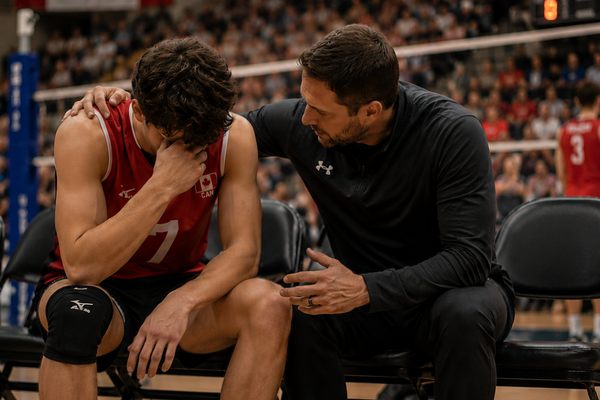
For young athletes, progress can sometimes feel frustratingly slow. They may practice the same skill for weeks without seeing a dramatic improvement, lose a game they worked hard to prepare for, or watch teammates advance faster than they do. When results don’t match their effort, it’s easy for young athletes to wonder, “Am I actually getting better?”
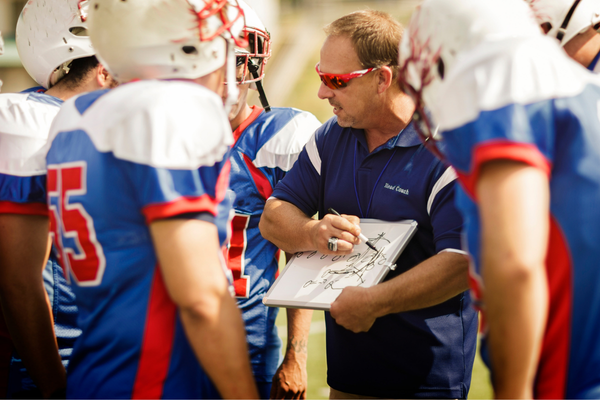
Coaches play an important role in helping athletes understand that development isn’t always obvious. Progress often happens gradually, through small improvements that may not show up on a scoreboard.
Guide Athletes to Look Beyond the Results
Wins, scores, rankings, and statistics can be useful measures of performance, but they don’t tell the whole story—especially for developing athletes.
A young player may not score more goals yet, but they might be making better decisions, communicating more effectively, recovering faster after mistakes, or showing greater confidence during practice.
Coaches can help athletes recognize these changes by asking questions such as:
- What can you do now that you couldn’t do before?
- What felt easier in today’s practice?
- What did you learn from that game?
- What is one thing you’d like to improve next?
These conversations shift the focus from immediate results to continuous development.
Celebrate the Small Wins
When progress feels slow, small victories become especially important.
Successfully completing a difficult drill, improving technique, staying focused through a challenging practice, or trying something new can all be meaningful signs of growth. Recognizing these moments helps young athletes see that their effort is producing results even if those results aren’t appearing on the scoreboard yet.
Coaches and parents can reinforce this mindset by noticing and celebrating these small wins both during training and outside of competition. When young athletes hear consistent encouragement from the adults supporting them, they are more likely to recognize their own progress and stay motivated when improvement takes time.
Celebrating small wins doesn’t mean lowering expectations. Instead, it helps athletes understand that big improvements are often built from many smaller ones.
Teach Athletes That Development Isn’t Linear
Young athletes can easily compare themselves to teammates or opponents who appear to be improving faster. Coaches can remind them that every athlete develops at a different pace.
Some periods may bring rapid improvement, while others may feel like a plateau. A plateau doesn’t necessarily mean an athlete has stopped progressing. Sometimes skills are being reinforced before they become more consistent or automatic.
Teaching athletes to expect these ups and downs can help them stay patient when progress isn’t immediately visible.
Set Process-Based Goals
Outcome goals, such as winning a tournament or scoring a certain number of points, can be motivating, but young athletes also benefit from goals they can directly control.
Instead of focusing only on winning, coaches can encourage goals such as improving passing accuracy, communicating with teammates, maintaining proper technique, or making better decisions under pressure.
Process-based goals give athletes something constructive to work toward during every practice and competition. They also make improvement easier to recognize.
Make Effort Part of the Conversation
Determination isn’t simply about working harder. For young athletes, it’s about learning how to respond when something is difficult.
Coaches can reinforce qualities such as persistence, focus, curiosity, and willingness to learn. Praising these behaviors helps athletes understand that struggling with a skill doesn’t mean they’re failing, it means they’re still learning.
Over time, this mindset can help young athletes become more comfortable with challenges and more confident in their ability to improve.
Knowing When to Trust the Process
Young athletes don’t always need to see immediate results to know they’re moving forward. They need coaches who can help them recognize the progress happening along the way.
By looking beyond scores, celebrating small improvements, setting achievable process goals, and normalizing periods of slower development, coaches can help young athletes stay motivated and committed to their journey.
Every athlete develops at a different pace. The goal isn’t to rush progress, it’s to create an environment where athletes can keep working, learning, and growing.
Help Every Athlete Keep Moving Forward
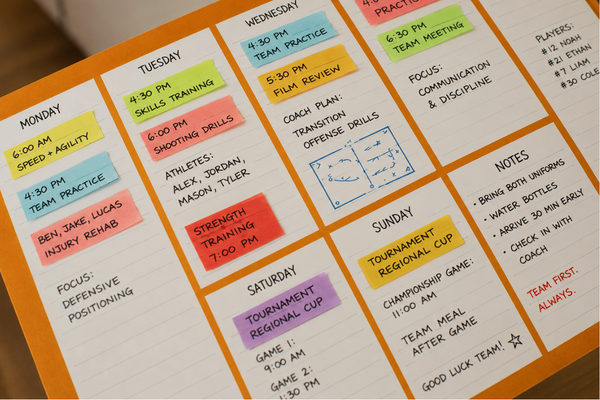
Ascend gives coaches the tools to create structured, development-focused training experiences that help athletes build skills over time. With training plans, drills, video coaching, and resources designed to support athlete development, coaches can make progress more visible and keep young athletes engaged throughout their journey.
The most important thing young athletes can learn is that progress is not always something they can see right away. Every practice, challenge, mistake, and small breakthrough contributes to their development. When coaches help athletes appreciate those moments, they begin to understand that improvement isn’t about becoming better overnight. It’s about continuing to show up, learn, and take the next step. With patience and encouragement, slow progress can become a powerful lesson in determination.