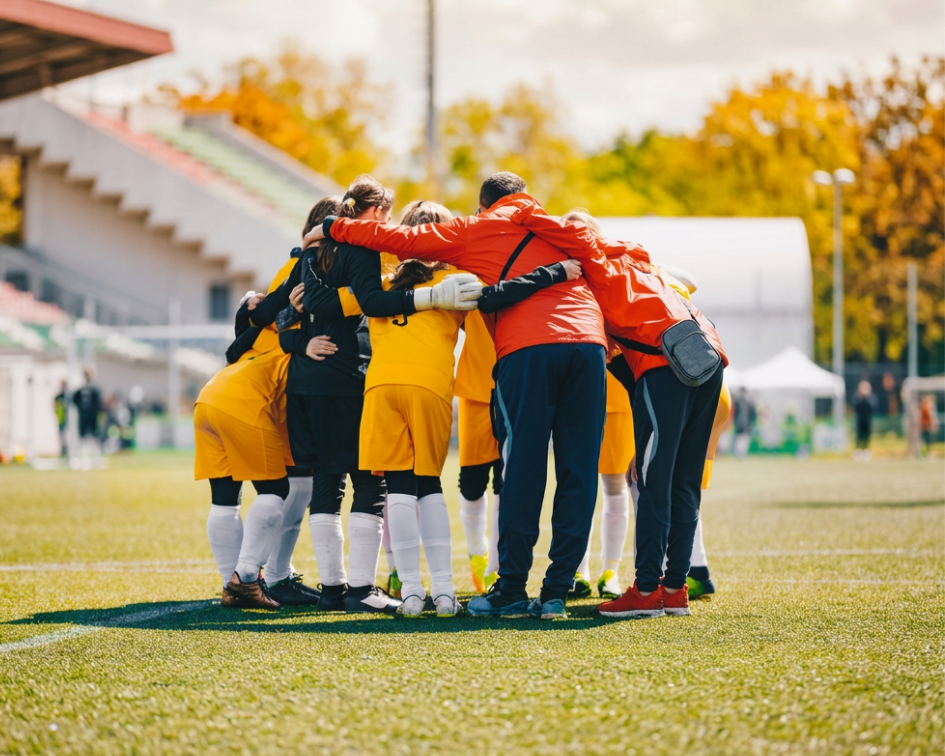
On the final day of the season, the gym was filled with cheers as medals were handed out and a championship trophy was lifted into the air. Cameras flashed, families applauded, and teammates celebrated a season to remember.
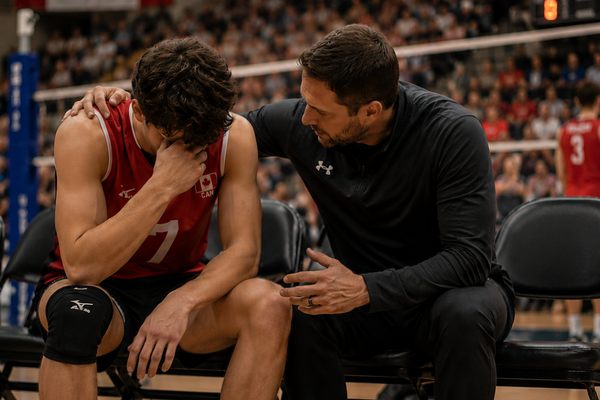
A few feet away stood another team. They hadn’t won the championship. There were no medals around their necks and no trophy to carry home, yet something remarkable had happened over the past few months.
The young athlete who couldn’t catch a pass in the first week was now confidently making plays during games. The quiet player who rarely spoke had become one of the team’s strongest communicators. Another athlete, once discouraged by mistakes, had learned to shake them off and keep competing. No trophy recognized those achievements, but they were victories all the same.
In youth sports, it’s easy to believe that success is measured by the final score. Standings, medals, and championships naturally capture our attention because they’re easy to see. What often goes unnoticed are the countless small moments of growth that happen during every practice.
The truth is, very few athletes remember every game they won when they were ten years old. What they often remember instead is the coach who believed in them, the teammate who encouraged them, and the feeling of finally accomplishing something they once thought was impossible. That’s because skills stay with athletes long after trophies are packed away.
Strong Fundamentals Create Better Athletes
Every great athlete begins with the basics.
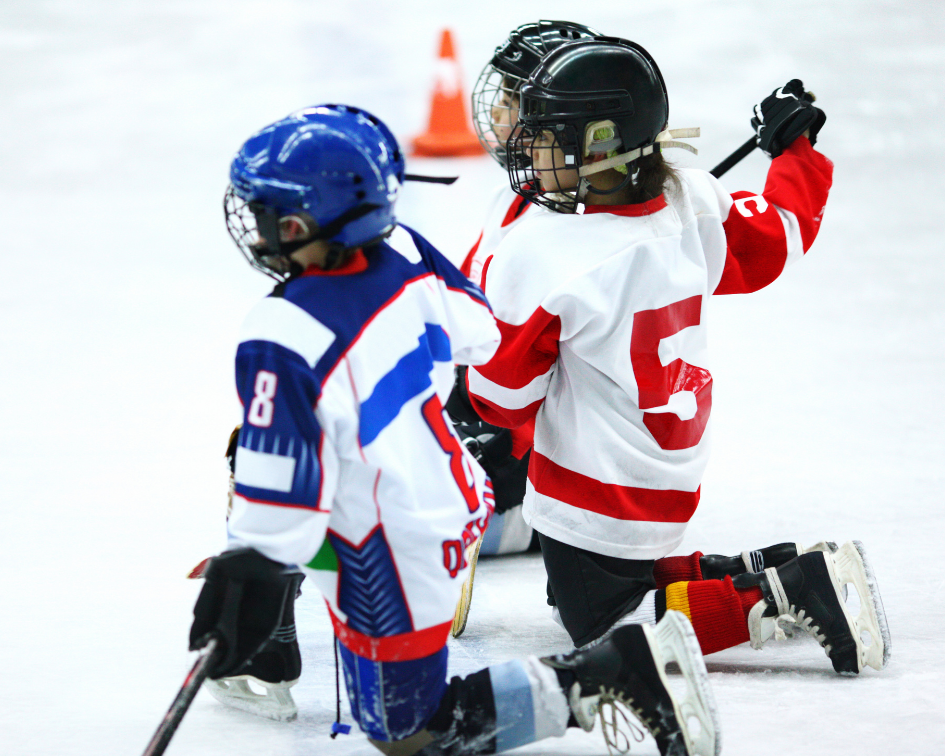
Whether it’s passing in soccer, shooting in basketball, skating in hockey, or proper body positioning in gymnastics, mastering the fundamentals creates confidence that carries into more advanced skills later on.
Skipping these essential steps in pursuit of quick victories may produce short-term success, but it can limit an athlete’s growth over time. Athletes with strong fundamentals adapt more easily, learn faster, and perform more consistently as competition becomes more challenging.
Coaches who emphasize skill development help prepare athletes not just for the next game, but for the next stage of their sporting journey.
Confidence Comes From Progress
One of the greatest rewards in youth sports is seeing athletes recognize their own improvement.
The first successful pass under pressure, the first time mastering a difficult movement, or the first practice where a new technique finally clicks, these moments often mean more than a medal because they represent personal growth.
When athletes see themselves improving, confidence grows naturally. Instead of fearing mistakes, they begin to see challenges as opportunities to learn.
This mindset creates resilient athletes who are motivated by progress rather than perfection.
Every Athlete Develops at Their Own Pace
It’s natural to compare athletes, especially during competitive seasons. However, development isn’t a race.
Some athletes experience rapid physical growth early, while others develop later. Some pick up technical skills quickly, while others excel because of determination and consistent practice.
The athlete who isn’t the strongest or fastest today may become the most well-rounded competitor in a few years because they developed strong habits, discipline, and a willingness to keep learning.
Coaches and parents play an important role in recognizing effort and improvement, not just outcomes.
Success Looks Different for Every Athlete
Not every young athlete will compete at an elite level, and that’s perfectly okay.
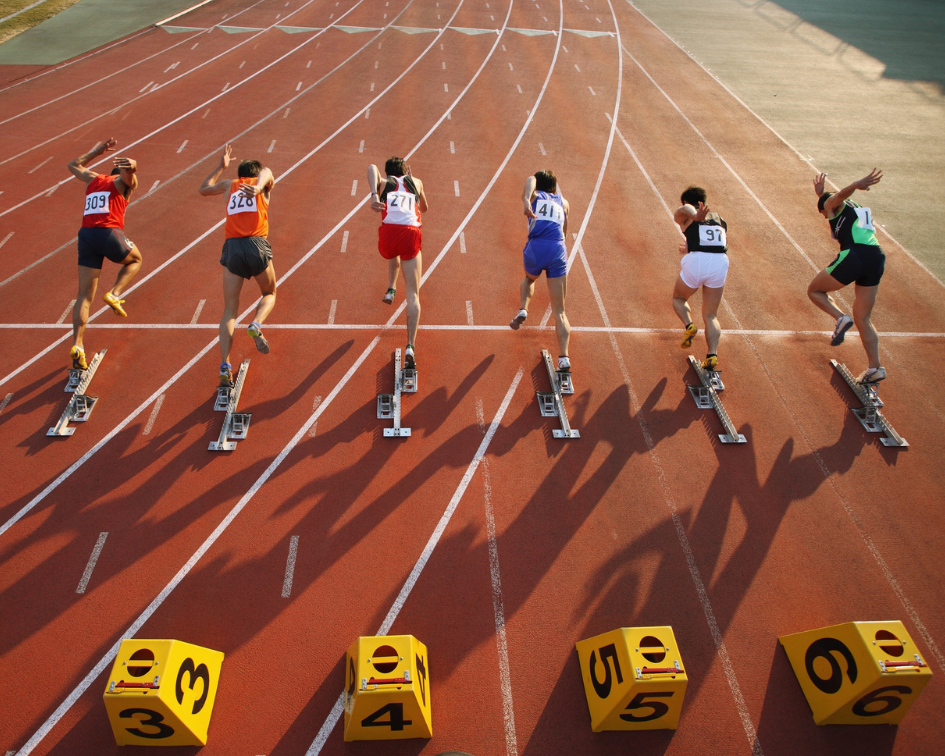
Sport teaches valuable life skills that extend well beyond the field, court, rink, or track. Discipline, resilience, communication, leadership, and teamwork become lifelong strengths regardless of whether an athlete earns a college scholarship or simply continues playing recreationally.
When success is measured by growth instead of trophies alone, every athlete has the opportunity to succeed.
Coaching for Long-Term Development
Great coaches understand that today’s practice shapes tomorrow’s athlete. Creating engaging training sessions, introducing age-appropriate progressions, and encouraging continuous improvement, coaches help athletes build skills that last long after the final whistle.
Having organized practice plans and easy access to quality coaching resources also makes it easier to focus on athlete development rather than administrative tasks. Digital coaching platforms like the Ascend Sports Coaching app support this process by helping coaches organize drills, training plans, and learning resources in one place, allowing more time to develop confident, capable athletes.
At the end of the season, trophies may gather dust on a shelf, but the skills, confidence, and love of sport that athletes develop can stay with them for a lifetime. By putting skills before trophies, coaches and parents help create not only better athletes, but stronger, more resilient people.