Category: Coach Skills

  • From Coaching Binder to Digital Coaching Library — Part 2: Bring Your Resources Into the Digital World

    From Coaching Binder to Digital Coaching Library — Part 2: Bring Your Resources Into the Digital World

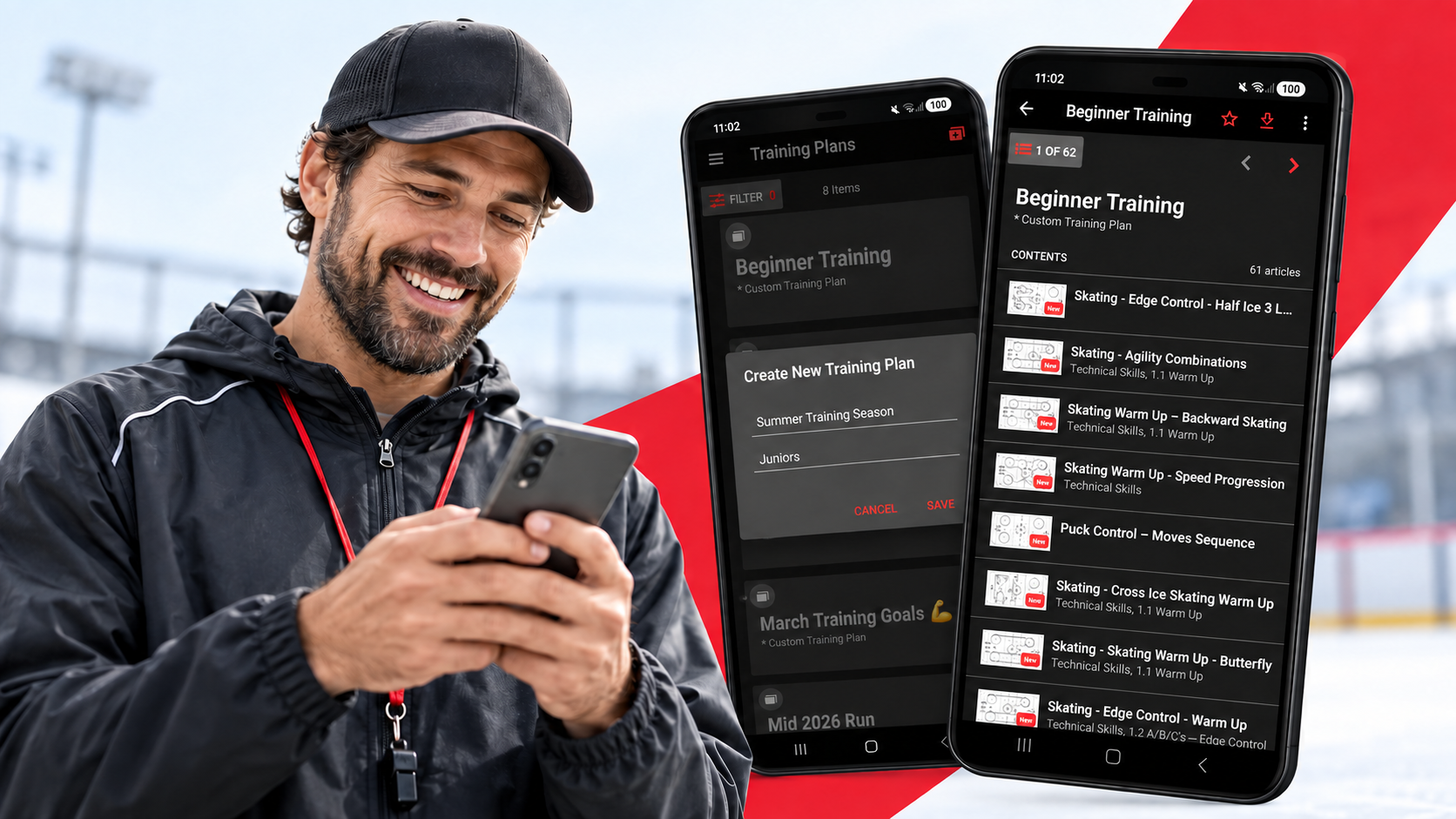
    How to Digitize Your Coaching Resources

    Once you’ve sorted through your coaching binder, the next step is moving your resources into a digital environment.

    It can be tempting to simply scan every page or take photos of your binder. But digitizing your coaching resources isn’t just about creating electronic copies of your paperwork.

    The goal is to turn your resources into content you can actually find, reuse, and adapt.

    1. Start With Your Most-Used Resources

    Don’t try to transfer everything at once.

    Start with the drills, practice plans, and resources you use most often. This gives you a useful digital library right away while allowing you to gradually transfer older materials.

    For example, start with:

    • Your top 10 drills
    • Your current practice plans
    • Your most-used skill activities
    • Resources for your current age group

    Once those are in place, you can build from there.

    2. Don’t Just Photograph the Page

    A photo of a paper drill is technically digital, but it doesn’t necessarily make the information easier to use.

    When possible, turn your resources into structured digital content.

    Instead of uploading a page that says:

    Passing Drill

    with several paragraphs of instructions, organize the information into sections such as:

    Objective: Improve passing accuracy
    Skill Level: Intermediate
    Duration: 15 minutes
    Equipment: Cones and balls
    Instructions: Step-by-step activity
    Coaching Points: What to watch for

    Now the resource is easier to understand and can potentially be reused in different practice plans.

    3. Use Tags and Categories

    One of the biggest advantages of digital resources is that you don’t have to remember exactly where something is stored.

    Use tags or categories to describe your resources.

    A single drill might be tagged:

    Passing | U15 | Intermediate | Skill Development | 15 minutes

    That gives you multiple ways to find it later.

    If you need a 15-minute activity for an intermediate U15 session, you can search based on those criteria instead of flipping through pages.

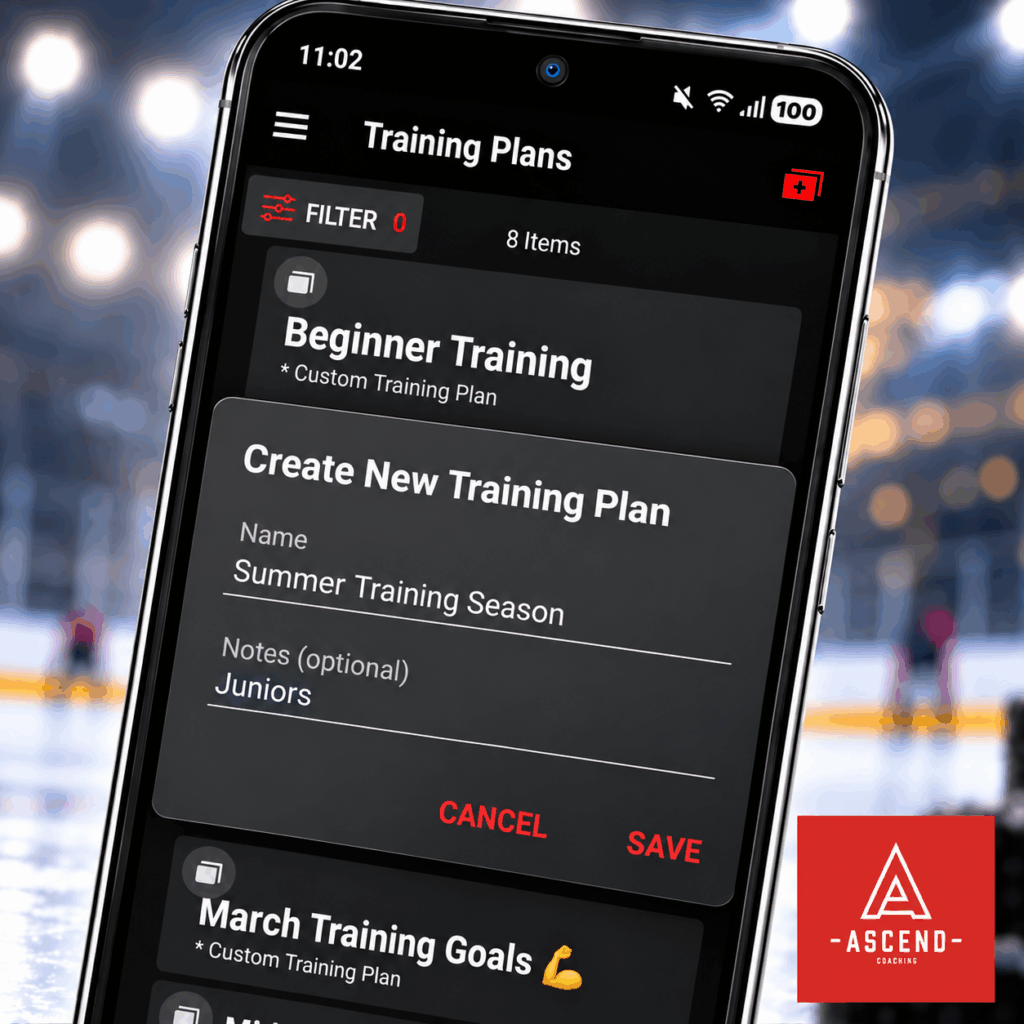
    4. Turn Practice Plans Into Reusable Resources

    Your practice plans don’t have to remain fixed documents.

    Look at each plan and identify the individual activities inside it.

    A single practice might include:

    Warm-Up → Passing Drill → Skill Development → Small-Sided Game

    Each activity can become its own reusable resource.

    That means you can take the same passing drill and use it in several different practice sessions without recreating it from scratch.

    5. Adapt Resources for Different Skill Levels

    A good activity may work for beginners, intermediate athletes, and advanced players—but the activity may need to change.

    Your digital resources can include variations.

    For example:

    Beginner: Reduce the distance and simplify the movement.

    Intermediate: Add movement and decision-making.

    Advanced: Add defenders, speed, or additional constraints.

    Instead of maintaining multiple paper copies, you can build variations into your digital resource and adapt it when needed.

    6. Build Your Digital Library Gradually

    Don’t worry about having a perfect digital library on day one.

    Think of it as a collection that grows over time.

    Every time you create a new drill, improve a practice plan, or discover a useful activity, add it to your library.

    Eventually, you’ll have something much more valuable than a digital copy of your binder: a collection of coaching resources that can be searched, adapted, and reused.

    7. Make Your Resources Work Harder

    The real benefit of digitizing your coaching resources isn’t simply having fewer papers to carry.

    It’s being able to find the right resource when you need it, adapt it for your athletes, and use it again in a different situation.

    Once your drills and practice plans are organized digitally, you can start building complete training sessions from those reusable resources.

    Next in the series: Beyond the Binder: Building a Digital Coaching System

  • From Coaching Binder to Digital Coaching Library — Part 1: Organize Before You Digitize

    From Coaching Binder to Digital Coaching Library — Part 1: Organize Before You Digitize

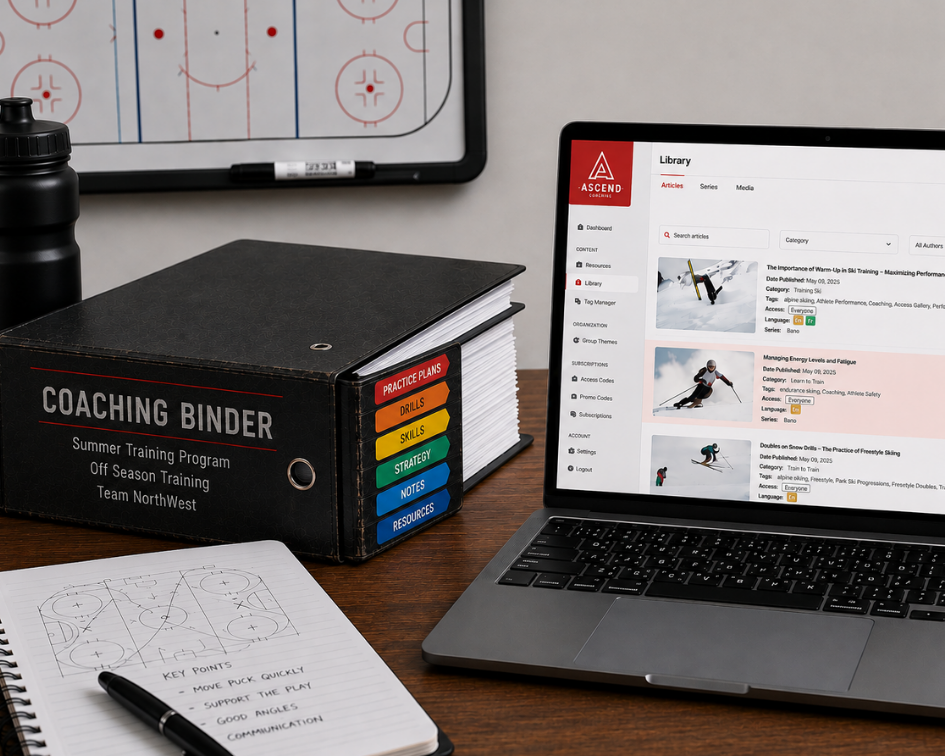
    For many coaches, the coaching binder is a record of years of experience. It might contain practice plans, drills, diagrams, notes from coaching clinics, athlete resources, and ideas you’ve collected along the way.

    But over time, that binder can become difficult to manage. Pages get buried, resources become outdated, and finding the right drill can mean flipping through dozens of pages.

    Moving your coaching resources to a digital app can make them easier to access and organize. But before you start uploading everything, take some time to decide what actually belongs in your digital coaching library.

    1. Start With an Inventory

    Go through your binder section by section and make a list of what you have.

    You might find:

    • Practice plans
    • Drills and activities
    • Skill-development exercises
    • Game strategies
    • Coaching notes
    • Training schedules
    • Diagrams
    • Athlete resources
    • Course materials
    • Reference materials

    Don’t worry about organizing everything perfectly yet. The first step is simply understanding what you’re working with.

    2. Decide What to Keep

    You probably don’t need to transfer every piece of paper.

    Separate your resources into three simple groups:

    Keep: Resources you regularly use or expect to use again.

    Update: Useful resources that need changes or improvements.

    Archive: Materials you want to keep for reference but don’t need regularly.

    This is a good opportunity to get rid of duplicates and outdated information. Otherwise, you may end up replacing one cluttered binder with a cluttered digital library.

    3. Organize Based on How You Coach

    Here’s where digital organization can really make a difference.

    Think about what you usually look for when you’re preparing a practice.

    Do you search by age group? Skill? Difficulty? Training objective? Amount of time available?

    Your digital library could be organized around categories such as:

    • Age group
    • Skill level
    • Skill or objective
    • Position
    • Training type
    • Difficulty
    • Duration
    • Equipment required

    For example, instead of filing a drill under a single category called “Passing Drills,” you could identify it as:

    Passing | Intermediate | U15 | 15 minutes | Skill Development

    Now you have several ways to find it later.

    4. Create a Simple Naming System

    Digital libraries are much easier to navigate when resources have clear, consistent names.

    Compare:

    “Drill 4”

    with:

    “Passing Accuracy – Intermediate – 15 min”

    The second name immediately tells you what you’re looking at.

    Your naming system doesn’t have to be complicated. Just make sure it is consistent enough that you and other coaches can understand it at a glance.

    5. Start With What You Use Most

    You don’t have to digitize your entire binder in one weekend.

    Start with the resources you reach for most often.

    Your first batch might include:

    • Your favorite drills
    • Current practice plans
    • Frequently used skill activities
    • Resources for your current team

    Once those are organized, you can gradually add the rest.

    This approach means your digital library becomes useful immediately, rather than becoming another project that never gets finished.

    Your Binder Is the Starting Point

    Going digital isn’t about throwing away everything you’ve collected over the years.

    Your binder represents your coaching experience. The goal is to turn that experience into a resource that’s easier to search, update, and reuse.

    Before you start transferring anything, take the time to clean up, categorize, and prioritize.

    Then you’re ready for the next step: turning those paper resources into useful digital content.

    Next in the series is our Part 2
    From Paper to App: How to Digitize Your Coaching Resources

  • Experience Builds Knowledge, Confidence Builds Influence: Great Coaches Need Both

    Experience Builds Knowledge, Confidence Builds Influence: Great Coaches Need Both

    If you’ve spent any time around sports, you’ve probably met both kinds of coaches.

    The first is the veteran who has spent decades on the sidelines. They know the game inside and out, can diagnose problems before they emerge, and carry a library of lessons earned through years of experience. The second is the younger coach who may have fewer seasons behind them but commands a room with clarity, conviction, and energy. We see this clearly when athletes listen to them when they speak and parents simply trust their direction, and the whole team respond to their leadership.

    We often assume these qualities naturally come together and that experience produces confidence and confidence reflects experience. In reality, the relationship is far more complicated.

    Some coaches accumulate years of knowledge yet remain hesitant to trust their own judgment. Others possess remarkable confidence despite having limited practical experience. Both can be effective in certain situations, but neither represents the complete picture of great coaching.

    The coaches who leave the greatest impact are rarely defined by one quality alone. They pair deep knowledge with decisive leadership. They continue learning while projecting confidence. They understand that athletes need more than technical instruction. They need someone capable of translating expertise into belief.

    Great coaching emerges from the intersection of experience and confidence, where hard-earned knowledge is matched by the ability to lead decisively, communicate clearly, and inspire others to grow.

    The Value of Experience

    Experience is one of the most respected qualities in coaching. It is earned through years of practices, competitions, victories, setbacks, and countless interactions with athletes.

    Experienced coaches have seen patterns emerge over time. They recognize what motivates different athletes, understand how to adapt training plans when challenges arise, and know how to navigate difficult situations under pressure.

    With experience comes perspective. Coaches learn that development is rarely linear, that every athlete responds differently, and that success often requires patience and consistency.

    This accumulated knowledge allows coaches to make better decisions and create more effective learning environments. However, experience alone does not automatically translate into impact.

    Why Confidence Matters

    A coach may possess years of experience and extensive technical knowledge, but if they lack confidence in their leadership, their influence can be limited.

    Athletes look to coaches for guidance, direction, and reassurance. They want to know that the person leading them believes in the plan, believes in their development, and can help them overcome challenges.

    Confidence allows coaches to communicate clearly, make decisions decisively, and maintain composure during difficult moments.

    Importantly, coaching confidence is not about arrogance or believing you have all the answers. Instead, it is the willingness to trust your preparation, apply your knowledge, and lead with conviction even when outcomes are uncertain.

    Confident coaches create confidence in others.

    When athletes see calm, focused leadership, they are more likely to trust the process, embrace challenges, and perform at their best.

    The Risk of Imbalance

    Problems can arise when experience and confidence are out of balance.

    A highly confident coach with limited experience may make decisions without fully understanding the consequences. While enthusiasm and self-belief are valuable, they must be supported by ongoing learning and development.

    On the other hand, experienced coaches can sometimes struggle with self-doubt. Despite years of expertise, they may hesitate to implement new ideas, question their instincts, or underestimate the value they bring to their athletes.

    The most effective coaches continue to strengthen both areas simultaneously. They remain students of the game while also developing the confidence to lead, communicate, and innovate.

    Building Confidence Through Preparation

    One of the best ways to develop coaching confidence is through preparation. Confidence grows when coaches know they have the resources, knowledge, and tools needed to support their athletes. Access to quality training materials, proven coaching practices, and professional development opportunities helps coaches feel more equipped to handle challenges as they arise.

    Preparation reduces uncertainty. It allows coaches to spend less time searching for answers and more time focusing on athlete development. This is particularly important in today’s coaching environment, where information is constantly evolving and athletes expect engaging, modern learning experiences.

    Great Coaches Never Stop Learning

    The strongest coaches understand that confidence and experience are not destinations. They are ongoing processes.

    Every season presents new opportunities to learn and every athlete brings a unique perspective. By embracing continuous development, coaches can expand their knowledge while strengthening their confidence to lead effectively. The result is a coaching approach that combines expertise with influence, creating a positive environment where athletes can grow, learn, and succeed.

    Elevate Your Coaching with Ascend

    At Ascend, we believe that great coaching starts with great resources.

    Our digital coaching platform helps organizations transform coaching knowledge into accessible, engaging learning experiences that support coaches at every stage of their journey. From structured learning pathways and training plans to instructional content and athlete development resources, Ascend empowers coaches to build both the experience and confidence needed to make a lasting impact.

    Whether you’re supporting new coaches or experienced leaders, Ascend provides the tools to help your coaching community learn, grow, and lead with confidence.

    Beyond Wins and Experience

    Coaching is often measured in wins, championships, and years spent on the sidelines, but those markers tell only part of the story. The coaches who leave the deepest impression on athletes are rarely remembered solely for what they knew. They are remembered for how they led, how they communicated, and how they helped others believe in what was possible. Experience may provide the lessons, but confidence gives those lessons the power to shape people. And in the end, great coaching depends not on choosing one over the other, but on developing both.