Category: Coaching

  • How the World Cup Inspires the Next Generation of Canadian Players

    How the World Cup Inspires the Next Generation of Canadian Players

    For young soccer players across Canada, the FIFA World Cup is more than just a tournament, it is a source of inspiration and possibility.

    Every four years, the world’s best players and nations come together on soccer’s biggest stage. Children watch in awe as elite athletes showcase their skill, determination, and passion in front of millions of fans. For many young Canadians, these moments spark dreams of one day wearing the maple leaf and representing their country at the highest level.

    The impact of the World Cup extends far beyond the final score. It encourages young athletes to spend more time on the field, practice new skills, and develop a deeper love for the game. Seeing players overcome challenges, work as a team, and perform under pressure teaches valuable lessons that apply both on and off the pitch.

    Canada’s growing presence in international soccer has made those dreams feel more attainable than ever. With Canadian players competing in top professional leagues around the world and the national team earning global recognition, young athletes now have visible role models who demonstrate that success is possible. These players have shown that dedication, perseverance, and hard work can open doors to opportunities on the world stage.

    The 2026 FIFA World Cup, co-hosted by Canada, represents a particularly significant moment for youth soccer. For the first time, many young Canadians will have the opportunity to experience World Cup matches in their own country. Seeing the excitement firsthand, attending matches, and being part of the atmosphere can leave a lasting impression on aspiring players.

    The tournament also shines a spotlight on grassroots soccer programs, local clubs, coaches, and communities that help develop future talent. Increased interest in the sport often leads to greater participation, giving more children the chance to discover and enjoy soccer. As more young players join teams and develop their skills, the future of Canadian soccer continues to grow stronger.

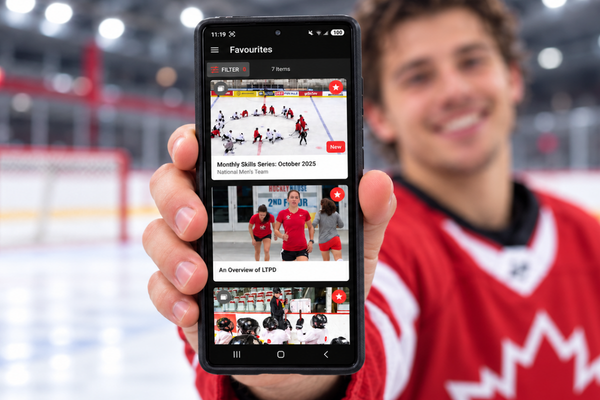
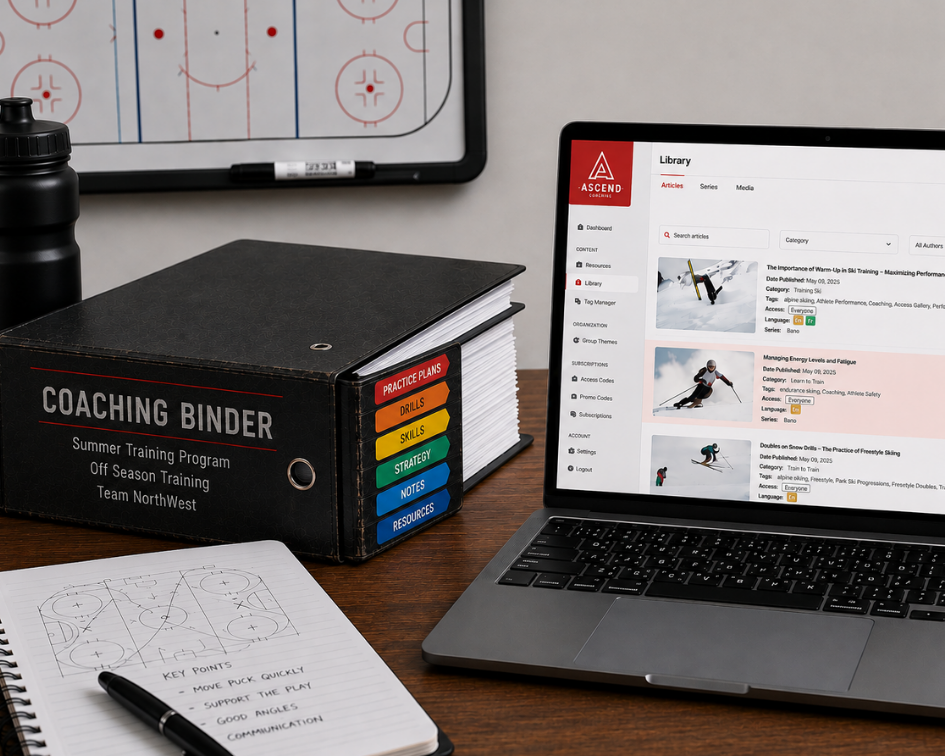
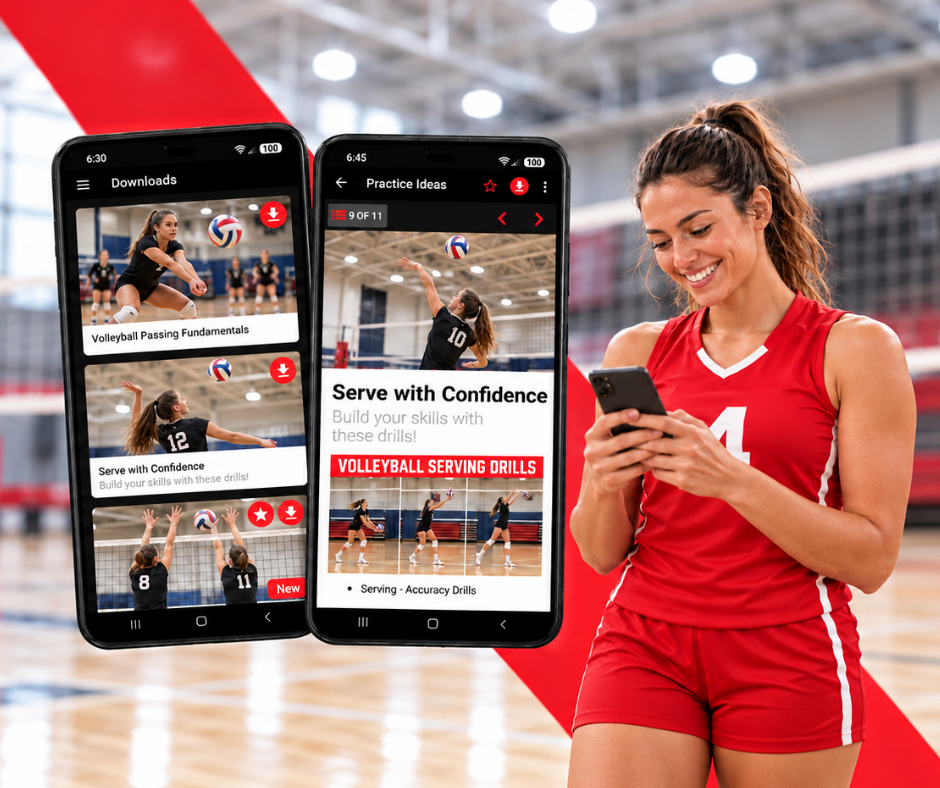
    For coaches and clubs, inspiring the next generation also means providing players with the right tools, resources, and learning opportunities to support their development. Modern coaching platforms such as Ascend help organizations organize training content, share drills and practice plans, and create engaging learning experiences that keep athletes connected and progressing throughout their journey.

    Perhaps most importantly, the World Cup reminds young athletes that every professional player once started where they are now which is playing for fun, learning the fundamentals, and dreaming big. The journey from a local field to the world’s biggest sporting event may seem distant, but every practice, every match, and every lesson learned is a step forward.

    For Canada’s next generation of players, the World Cup is proof that dreams can become reality and with the support of dedicated coaches, clubs, and innovative coaching tools, those dreams have never been closer.

  • Equipping Coaches for Success: The Systems, Tech Tools, and Templates That Matter

    Equipping Coaches for Success: The Systems, Tech Tools, and Templates That Matter

    What separates great coaching organizations from good ones?

    It’s not just talent or facilities. And it’s not even experience. Often, the difference comes down to support.

    Many coaches enter their roles with passion, knowledge, and a desire to help athletes succeed. Yet too often, they’re left to create everything from scratch. Starting with practice plans, communication systems, development pathways, and administrative processes. The result is inconsistency, duplicated effort, and missed opportunities for athlete development.

    The strongest coaching organizations recognize that coaches perform better when they have access to shared resources and collaborative support. Just as athletes benefit from structure, coaches do too.

    That’s why every modern sports program needs a coaching toolkit: a collection of resources, templates, frameworks, and tools that help coaches focus less on administration and more on developing athletes.

    Practice Planning Resources

    Few responsibilities have a greater impact on athlete development than practice design.

    Well-structured practices maximize learning, engagement, and skill development. Poorly planned sessions can waste valuable time and leave athletes frustrated or disengaged.

    Rather than expecting every coach to create practice plans independently, organizations should provide a library of resources that coaches can adapt to their team’s needs.

    These resources may include:

    • Sample practice plans
    • Age-specific training sessions
    • Skill progression guides
    • Seasonal development pathways
    • Drill libraries
    • Session evaluation templates

    Providing these resources helps establish consistency across the organization while still allowing coaches flexibility and creativity.

    It also reduces the burden on new coaches, helping them gain confidence more quickly.

    When coaches spend less time reinventing practice structures, they can spend more time focusing on athlete development and relationship building.

    Communication Templates

    Communication is one of the most important coaching skills, but it is often one of the least supported.

    Coaches regularly communicate with athletes, parents, administrators, and fellow coaches. Without clear systems, messages can become inconsistent, unclear, or easily forgotten.

    Simple communication templates can significantly improve efficiency and professionalism.

    Examples include:

    • Season welcome letters
    • Parent meeting agendas
    • Weekly team updates
    • Game-day reminders
    • Athlete development reviews
    • End-of-season surveys

    Templates don’t replace authentic communication. Instead, they provide a foundation that coaches can customize while ensuring important information is consistently shared.

    Clear communication also helps create trust. Parents understand expectations, athletes know what success looks like, and coaches spend less time responding to preventable questions.

    Over time, these small improvements contribute to a stronger and more connected sporting environment.

    Coaching Frameworks

    Great coaching is about more than drills and tactics.

    The most effective organizations create a shared coaching philosophy that guides how coaches teach, communicate, and develop athletes.

    This is where coaching frameworks become valuable.

    A coaching framework provides structure around key principles such as:

    • Athlete-centered coaching
    • Positive feedback techniques
    • Long-term athlete development
    • Goal-setting processes
    • Leadership development
    • Performance review systems

    Without a shared framework, athletes may receive vastly different experiences depending on which coach they encounter.

    One coach may prioritize development while another focuses solely on results. One may emphasize communication and accountability while another may not.

    A framework helps create alignment.

    It ensures that regardless of team, age group, or coach, athletes experience consistent values and developmental standards throughout the organization.

    For new coaches, frameworks also provide clarity. Rather than guessing what good coaching looks like, they have a roadmap to follow and refine over time.

    Digital Tools That Improve Collaboration

    Coaching can often feel isolated. Even within large organizations, coaches may work independently, rarely sharing ideas, resources, or lessons learned.

    Digital tools are helping change that.

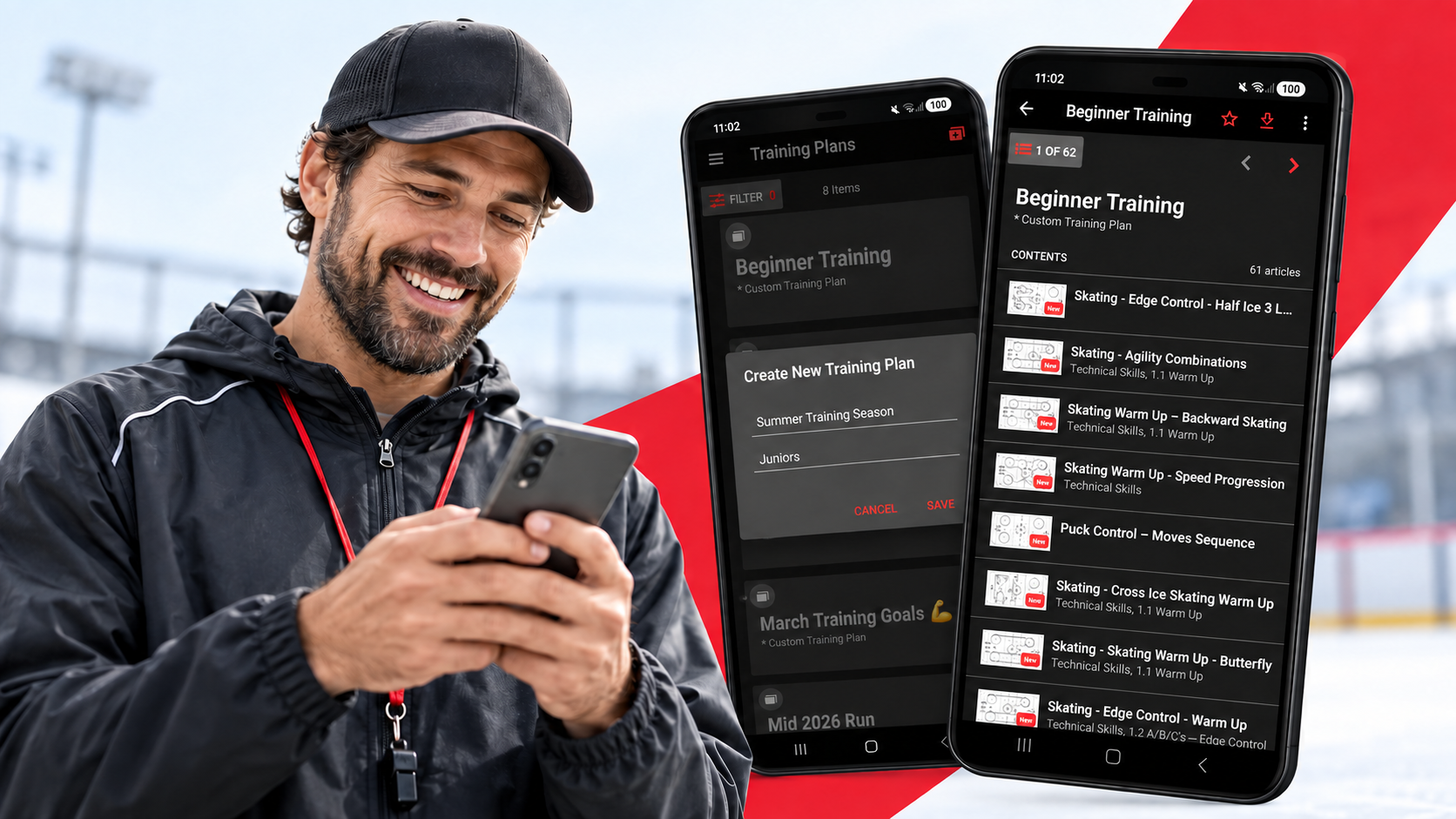
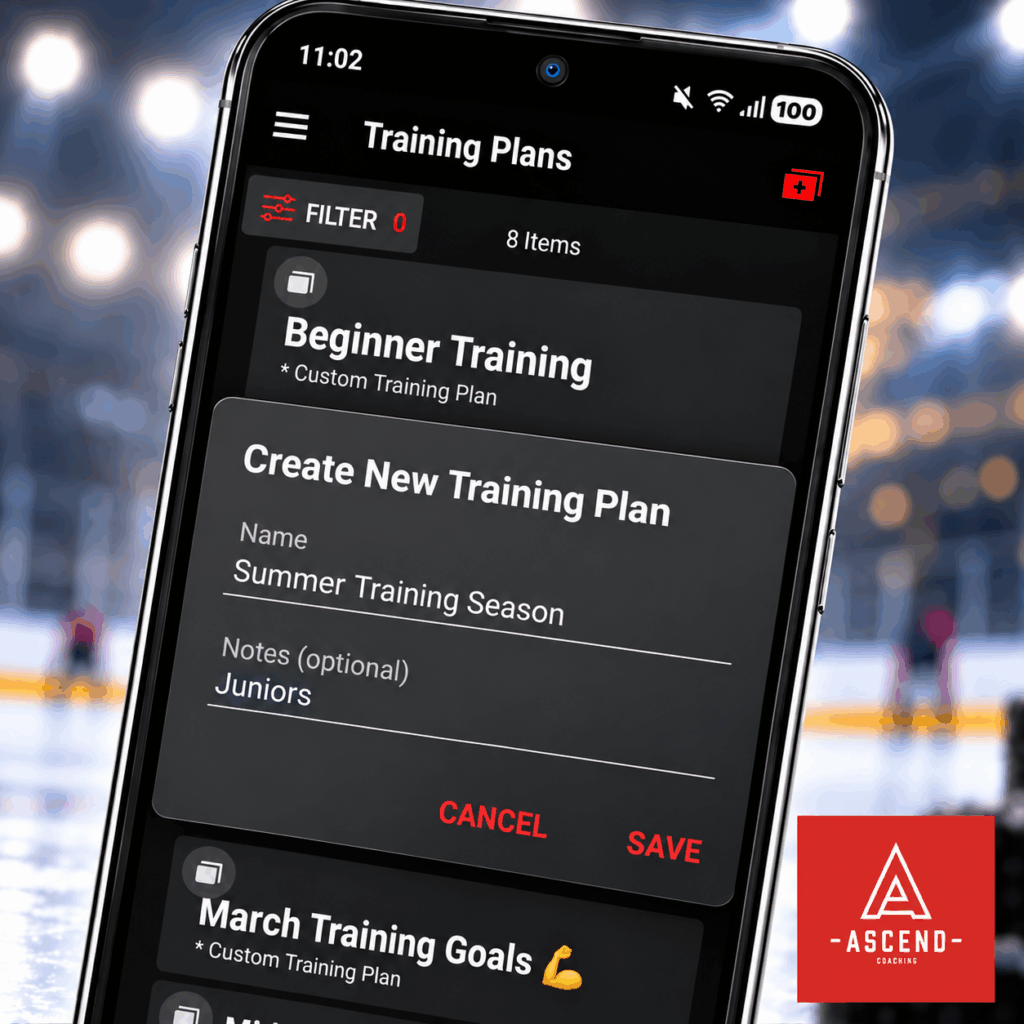
    Modern coaching platforms allow coaches to collaborate more effectively by creating centralized spaces where resources, plans, and best practices can be shared.

    Instead of searching through emails, folders, and documents, coaches can quickly access the information they need and contribute their own insights to the broader coaching community.

    Effective digital tools can support:

    • Resource sharing
    • Practice planning
    • Coach education
    • Team communication
    • Goal tracking
    • Professional development
    • Organizational alignment

    The benefits extend beyond convenience.

    Organizations looking to strengthen coach development should consider how easily coaches can access and share the resources they need. Platforms like the Ascend Sports Coaching App can help centralize coaching materials, streamline collaboration, and create a shared space for learning across an entire coaching community. By making knowledge easier to access and share, organizations can build stronger coaches and ultimately create better experiences for athletes.

    Building a Culture of Continuous Improvement

    The best coaching organizations understand that coach development never stops.

    Just as athletes are expected to learn and improve, coaches should have access to ongoing opportunities for growth.

    A modern coaching toolkit is not simply a collection of documents. It is a commitment to continuous improvement.

    It reflects an organization’s belief that coaches deserve support, guidance, and resources that help them succeed.

    When practice plans, communication tools, coaching frameworks, and collaboration systems are readily available, coaches spend less time solving administrative problems and more time focusing on what matters most: helping athletes grow.