Category: Training Plans

  • Coach’s Toolkit: One Question Worth Asking

    Coach’s Toolkit: One Question Worth Asking

    If a new coach joined your organization tomorrow, how long would it take them to understand how you do things?

    A day? A week? A season?

    The answer reveals more than you might think. It offers a glimpse into the strength, sustainability, and scalability of your coaching system.

    Many organizations operate on what could be called “tribal knowledge” which are the unwritten habits, expectations, and methods that exist primarily in the minds of veteran coaches. These systems often function well when the same people remain in place year after year. But what happens when someone leaves? What happens when a new coach arrives, eager to contribute but unsure of the organization’s philosophy, standards, or expectations?

    Without a clear framework, the learning curve can be steep. New coaches spend valuable time trying to decode how things are done rather than focusing on athlete development. Consistency suffers, communication becomes fragmented, and the quality of the athlete experience can vary dramatically from team to team.

    Strong organizations take a different approach.

    Rather than relying on individual personalities or institutional memory, they create systems that make good coaching transferable. They document their core principles, define their standards, and establish clear expectations for how coaches teach, communicate, and develop athletes.

    This doesn’t mean every coach becomes identical. Great coaching still requires personality, creativity, and adaptability. What it does mean is that every coach operates from the same foundation. The organization’s values remain consistent, even when personnel change.

    Think about successful businesses, military units, or educational institutions. Their effectiveness isn’t dependent on one person possessing all the answers. Instead, they build processes that allow knowledge to be shared, replicated, and improved over time. Coaching organizations can benefit from the same mindset.

    A coaching framework might include a documented philosophy, practice design principles, communication guidelines, athlete development pathways, or standards for evaluating performance. It serves as a roadmap that helps coaches understand not just what to do, but why they do it.

    The benefits extend beyond onboarding. Clear frameworks improve collaboration among staff members, create greater alignment across age groups or teams, and help leaders identify areas for growth. Most importantly, they provide athletes with a more consistent and supportive environment.

    If you’re unsure where your organization stands, try a simple exercise. Imagine a capable coach joins your staff tomorrow:

    • What resources would you hand them?
    • How quickly could they understand your expectations?
    • Could they confidently explain your coaching philosophy after a few days, or would they need months of observation and trial-and-error?

    The goal isn’t perfection. Every organization evolves, and every system can improve. But the exercise highlights an important truth: sustainable success depends on more than talented individuals.

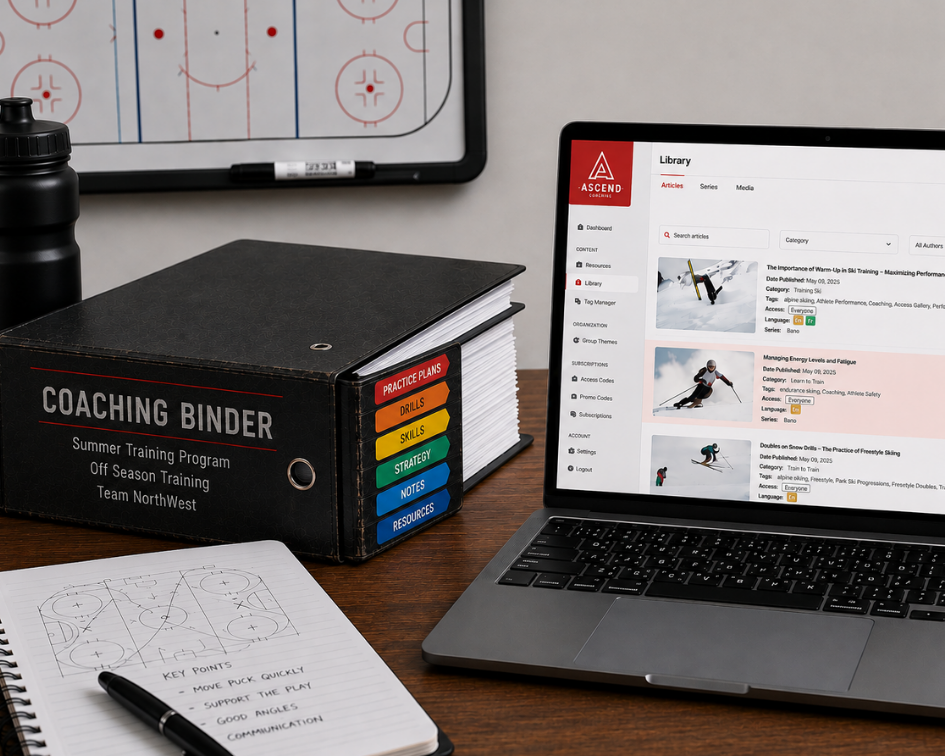
    Building and maintaining these coaching frameworks becomes significantly easier when the right tools are in place. The Ascend App helps coaching organizations centralize resources, align staff around shared standards, and streamline communication across teams. By providing coaches with easy access to philosophies, practice plans, development frameworks, and key organizational documents, Ascend reduces reliance on tribal knowledge and promotes greater consistency throughout the program.

    The result is stronger collaboration among coaches, more efficient onboarding, and a coaching environment designed to drive long-term athlete and organizational performance.

    The strongest organizations don’t leave excellence to chance. They build frameworks that help good coaching spread, regardless of who’s holding the whistle.

    And that may be one of the most important investments a coaching leader can make.

  • Leadership in Sports Coaching: Creating a Winning Team Culture

    Leadership in Sports Coaching: Creating a Winning Team Culture

    Talent may win games in moments, but team culture sustains success over seasons.

    Behind nearly every successful team is a coach who understands that leadership is not just about strategy or performance, it is about building an environment where athletes trust one another.

    A winning team culture does not happen accidentally. It is shaped deliberately, day after day, through consistent leadership. Having players communicate openly and remain committed to a shared standard.

    Strong team culture is all about trust. Athletes perform best when they trust both their coach and their teammates. When expectations are clearly communicated and applied fairly across the team, athletes feel secure in their roles. Trust also grows when coaches listen.

    Players want to feel heard, not just instructed. In many sports environments, communication flows in only one direction: the coach speaks, and the athletes are expected to execute. But the strongest team cultures are often built by coaches who understand that listening is not a weakness in leadership, it is part of it. When athletes feel they can speak honestly about frustrations, pressures, or uncertainty without immediately being dismissed, trust deepens. They become more invested not only in the coach, but in the team itself.

    Trust becomes especially important during adversity. Losing streaks, injuries, or internal frustrations can quickly divide a group if the culture is weak. Strong coaches maintain stability during difficult periods by reinforcing shared goals and encouraging accountability instead of blame. In these moments, leadership is measured less by emotion and more by composure.

    Another essential element of team culture is discipline. In successful programs, discipline is not rooted in fear or punishment alone, it is tied to standards. Coaches establish habits that define how the team trains. Athletes begin to understand that discipline is not restrictive, it is meant to create reliability. When every player commits to the same standards, the team develops consistency both on and off the field.

    Importantly, discipline must be modeled by the coach as well. Players quickly recognize whether a coach’s actions align with their message. Coaches who arrive prepared, communicate respectfully, and maintain professionalism create an example athletes are more likely to follow. Leadership, in many ways, is contagious. To lead by example cannot be said enough.

    A positive team culture also creates space for leadership within the group itself. Coaches who empower captains and veteran players help athletes take ownership of the team’s identity. When leadership is shared, accountability becomes stronger and more sustainable.

    Equally critical is communication. Teams are made up of different personalities, backgrounds, and motivations. Some athletes respond to direct challenges, while others perform better with encouragement and reassurance. Effective coaches learn how to adapt their communication style without compromising standards. They understand that motivation is not one-size-fits-all. Ignoring tension rarely makes it disappear. Strong leaders address issues early, encourage honest conversation, and focus on solutions rather than personal attacks. By managing conflict constructively, coaches can prevent division from damaging team chemistry.

    Strong leadership has always depended on consistency and communication, but modern coaching also requires organization behind the scenes. Tools like Ascend can help coaches reinforce that culture day to day, giving teams a clearer way to track development, manage communication, and keep athletes connected to shared goals. Because in the end, great team culture is not built through motivation alone. It is built through structure that athletes can rely on every day.

    In the end, trophies and titles may mark a season, but team culture is what athletes carry with them long after competition ends.

  • The Daily Grind: What Full Commitment Actually Looks Like for Athletes

    The Daily Grind: What Full Commitment Actually Looks Like for Athletes

    Commitment, in the language of sports, is usually dressed up as something cinematic. Passion that burns, a drive that refuses to yield, and the kind of athlete dedication that borders on myth. It makes for good storytelling. But the athletes who actually arrive at their goals tend to inhabit a quieter reality. Their commitment is less a surge of feeling than a pattern of behavior, repeated with stubborn regularity. It is built not on inspiration, but on routine.

    Day after day, it looks almost ordinary. A scheduled session completed whether or not it feels urgent. A meal chosen with intention. There is little drama in it, and even less novelty, nothing cinematic. If anything, it can feel monotonous because success comes in an accumulation of small, disciplined actions.

    Full commitment leads to structured training. Committed athletes don’t just train when they feel like it or rely on random workouts. They follow training plans and even commit to monitoring performance data.

    Every coach knows that every session has a purpose, whether it’s building strength, improving technique, or increasing endurance. They track progress as a team, adjust when necessary, and stay consistent even when motivation dips. This structure removes guesswork and replaces it with direction. Over time, that consistency compounds into measurable improvement. And for measurable improvements, there are sports coaching tools such as the Ascend app – quietly supporting that structure behind the scenes, helping coaches organize sessions, monitor development, and keep athletes aligned with the process that drives real results.

    But training is only one piece of the puzzle. Equally important is recovery, which many overlook. Fully committed athletes understand that progress doesn’t just come from pushing hard, it comes from allowing the body to rebuild. That means prioritizing sleep, scheduling rest days, and using recovery methods like stretching, mobility work, or even simple routines like cooling down properly. Instead of viewing rest as a break from progress, they see it as part of the process itself.

    Another key habit is nutrition. Commitment shows up in what athletes eat just as much as how they train. This doesn’t mean perfection or extreme dieting, but it does mean being intentional. Committed athletes fuel their bodies for performance and recovery. They pay attention to hydration, meal timing, stamina, and balance. Over time, these small, consistent choices support building sustainable habits.

    Beyond the physical, there’s mental preparation. Athletes who are fully committed train their minds as deliberately as they train their bodies. This can include setting clear goals, visualizing performance, reviewing past performances, and developing focus under pressure. They learn how to handle setbacks without losing direction. Instead of being derailed by a bad game or a tough training day, they reflect, adjust, and move forward. Mental discipline keeps them steady when results aren’t immediate.

    Perhaps the most overlooked aspect of commitment is sacrifice. The daily grind often means choosing long-term goals over short-term comfort. It might mean waking up early to train, skipping social events, or sticking to routines when others are relaxing. These sacrifices aren’t always dramatic, but they are consistent. Over time, they separate those who are serious from those who are simply interested.

    What makes all of this powerful is that none of it is extraordinary on its own. Fully committed athletes don’t rely on bursts of motivation, they rely on habits. Structured workouts, proper sleep, balanced meals, mental focus, and small sacrifices. These are all accessible. The difference is in how consistently they are applied.

    For any hardworking coach and athlete, the daily grind may not be glamorous, but it is dependable. And for athletes who truly commit to it, it’s the most reliable path to reaching their goals.

  • Mental Preparation for Big Games

    Mental Preparation for Big Games

    When the stakes are high and the spotlight is brightest, physical ability alone is rarely enough to secure victory. The difference between a good performance and a great one often comes down to mental preparation.

    For teams using Ascend, mastering the mental side of sport is just as critical as refining technique or building strength.

    Big games bring pressure; Crowds, expectations, and the weight of the moment. Without the right mindset, even the most skilled athletes can falter. Mental preparation equips players to handle these challenges with clarity, confidence, and composure.

    One of the most powerful tools in mental preparation is visualization. Before stepping onto the field or court, athletes can mentally rehearse their performance. Seeing themselves executing plays, making smart decisions, and staying calm under pressure. This practice trains the brain to treat imagined success as familiar, making it easier to replicate in real competition.
    Do note visualization isn’t just daydreaming, it’s intentional and highly effective when done consistently.

    Another key component is routine. Pre-game routines help athletes create a sense of control in unpredictable environments. Coaches can help establish these routines – whether it’s listening to music, doing specific warm-ups, or practicing breathing exercises – routines signal to the mind that it’s time to perform. Over time, these habits become anchors that stabilize emotions and sharpen focus.

    Managing nerves is also essential. Feeling anxious before a big game is natural and even beneficial. The goal isn’t to eliminate nerves but to channel them into energy. Techniques like deep breathing and positive self-talk, and even grounding exercises can prevent anxiety from becoming overwhelming. Instead of thinking, “I can’t mess this up,” athletes can reframe their mindset to, “I’m ready for this challenge.”

    Confidence plays a central role in mental readiness. Reflecting on past successes, acknowledging improvements, and trusting in training all contribute to a strong belief in one’s ability. Coaches and athletes on Ascend can reinforce this by setting realistic training goals and tracking progress over time.

    Focus is another defining factor. Big games often come with distractions. You’ve got the crowd noise and opponent tactics. Training the mind to stay present ensures that attention remains on what matters: the current play and the next move. Techniques such as mindfulness and cue words (simple phrases like “stay sharp” or “one play at a time”) can help maintain this focus.

    Finally, resilience is what sustains performance when things don’t go as planned. Mistakes are inevitable for any athlete, especially under pressure. Mentally prepared athletes recover quickly and learn from errors. They understand that one moment does not define the entire game.

    The Ascend sports coaching app empowers athletes and coaches to go beyond physical training by integrating mental preparation into daily practice. By developing visualization habits and establishing routines, athletes gain a competitive edge that cannot be measured on a scoreboard, but is often the deciding factor in big moments.

    In the end, what separates those who merely arrive from those who endure is not the strength of their bodies, but the steadiness of their minds. The quiet, practiced resolve to meet the moment without flinching.

  • Beyond the Basics: How Sports Apps Turn Data into Winning Performance

    Beyond the Basics: How Sports Apps Turn Data into Winning Performance

    Talent still matters, but so does discipline. But in modern sport, they are no longer sufficient on their own. What separates the merely good from the consistently dominant is something less visible: data.

    Data that is either quietly, or openly collected with consent. As mobile apps and digital tools have slipped into the daily rhythms of training, reshaping how athletes prepare and perform.

    Sports organizations are beginning to see performance not as a mystery, but as something that can be measured, fine-tuned, and, to a striking degree, shaped to a high standard.

    Athletes can track metrics such as speed, heart rate, distance covered, and even sleep quality. This data provides a deeper understanding of an athlete’s physical condition, helping coaches make informed decisions. For example, professional teams like the Golden State Warriors use performance data to monitor player workload and reduce the risk of injuries. Instead of relying on guesswork, decisions are backed by measurable evidence.


    Performance Monitoring

    Fitness tracking is another key feature that has reshaped training programs. Wearable devices synced with mobile apps allow athletes to monitor their progress in real time. Whether it’s counting steps, measuring endurance, or tracking calories burned, these tools help athletes stay accountable and motivated.

    Training plans can be customized based on individual performance, ensuring that each athlete develops at their own pace. Ascend excels in this, bringing a personalized approach that is especially valuable for both elite professionals and developing athletes.

    Notifications on the Go

    Moreover, these apps promote better communication between athletes and coaches. Training updates, feedback, and performance summaries can be shared instantly, creating a more collaborative environment. Athletes no longer have to wait for in-person sessions to receive guidance—they can improve continuously with digital support.

    Smarter Coaching Through Data

    Coaching has also evolved significantly through app integration. Coaches can now review detailed performance reports, identify strengths and weaknesses, and adjust strategies accordingly. Video analysis tools within apps allow for instant feedback, making it easier to correct techniques and improve skills. Even globally recognized clubs like FC Barcelona utilize data-driven insights to refine tactics, view player history, and maintain peak performance levels.

    Without a doubt, data-driven sports apps are revolutionizing the way athletes train and perform. By combining analytics, fitness tracking, and advanced coaching tools, these technologies provide a smarter, more efficient approach to athletic development.

    As technology continues to evolve, the gap between organizations that adapt and those that hesitate will only widen. Teams that integrate smart, data-driven tools into their training systems are not just improving performance, they’re building a sustainable competitive advantage.

    With a sports coaching app like Ascend, that future becomes more accessible: turning complex data into clear insights, streamlining communication, and empowering athletes and coaches to perform at their highest level, every day.

  • Freestyle Canada Embraces the Digital Future with New Custom App

    Freestyle Canada Embraces the Digital Future with New Custom App

    From Grassroots to Olympic Excellence

    Freestyle Canada is currently developing a custom-built mobile application in partnership with Ascend, marking a significant step forward in how national sport organizations can harness technology to support athletes, coaches, and clubs. This collaboration represents a shared vision to modernize sports coaching and athlete development and strengthen communication across the freestyle skiing community, setting a new benchmark for how sports organizations can evolve and thrive in the digital age.

    As the national governing body for freestyle skiing in Canada, Freestyle Canada oversees the country’s participation and development in the mogul, aerial, slopestyle, halfpipe, and big air disciplines. The organization plays a vital role in supporting athletes at every stage of their journey from grassroots programs that introduce young athletes to the sport, to high-performance pathways that prepare competitors for the world stage. Through its programs and services, Freestyle Canada is committed to building people, training athletes, and delivering champions.

    That commitment to excellence continues to produce remarkable results. The strength of Canada’s freestyle skiing system was once again evident at the Milano Cortina 2026 Olympic Winter Games, where Team Canada achieved its best-ever Olympic performance across freestyle skiing events, with Megan Oldham winning gold in the women’s freestyle skiing big air and Mikaël Kingsbury taking gold in the men’s dual moguls. These achievements reflect the dedication of Freestyle athletes, coaches, and clubs nationwide, as well as the continued investment in innovative tools and resources that support long-term athlete development.

    Building the Future of Freestyle Training

    The next phase of Freestyle Ski Canada’s evolution will not happen only on the slopes. It will also happen on screens.

    A key priority of the platform is ensuring that coaches and athletes have access to the most current, relevant, and high-quality coaching content. In a sport that continues to evolve rapidly, having up-to-date training resources and development materials is essential for maintaining performance standards and athlete safety. The app will allow Freestyle Ski Canada to deliver the latest coaching content directly to its community, ensuring that best practices and technical updates are readily accessible when they are needed most.

    The result is something subtle but powerful: a more connected ecosystem focused on community engagement. Athletes can access guidance and training plans wherever they are actively training. And coaches — from local slopes to high-performance programs — can operate with greater cohesion, helping ensure that athlete development in Canada remains both consistent and forward-looking.

    On Track, On Slope, On Demand

    At the heart of the platform is accessibility and flexibility. The app is designed to function seamlessly across devices, allowing users to access training materials, updates, and resources anytime and anywhere, even without an internet connection. Whether athletes are training in the gym, on the slopes, or traveling between competitions, the platform ensures that important information and programming remain available when it is needed most.

    Setting the Line for Athlete Development

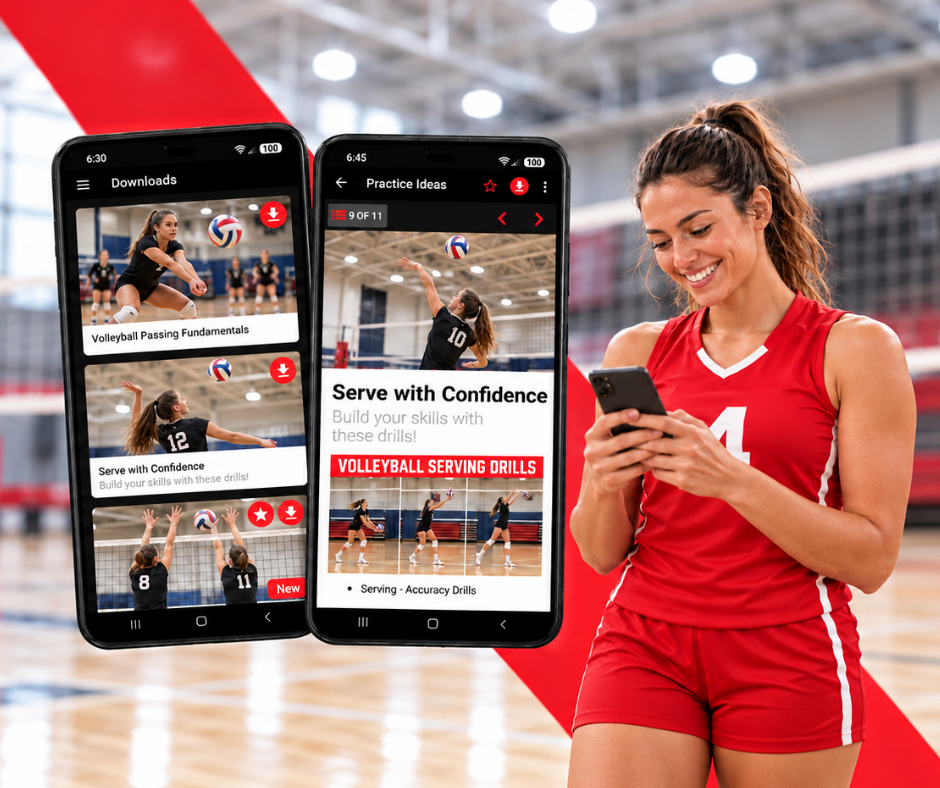
    Another core feature of the app is its ability to empower coaches with customizable training tools. Coaches will be able to design and share personalized training plans directly within the platform, inviting members to access schedules, drills, and performance resources in one convenient location. Coaches and members will receive notifications about important training updates, helping them stay informed and engaged. The platform also supports two-way interaction, allowing team members to share feedback, progress updates, and training content with their coaches.

    Advancing Freestyle Skiing Through Technology

    The technology behind the Freestyle Ski Canada App is powered by Ascend, a company that specializes in building custom-branded sports coaching platforms for sports organizations.

    Ascend’s mobile app solutions are designed to help clubs and governing bodies scale athlete development, improve team communication, and reinforce organizational identity through digital tools tailored to their needs.

    By partnering with Ascend, Freestyle Canada is investing in a platform that not only supports its current athletes and coaches but also strengthens the foundation for the next generation of freestyle skiers. As sport continues to evolve in an increasingly digital world, initiatives like the Freestyle Ski Canada App demonstrate how technology can enhance coaching, deepen community engagement, and help organizations remain at the forefront of athlete development.

    Together, Freestyle Canada and Ascend are building a digital ecosystem that reflects the energy, innovation, and competitive spirit of Canadian freestyle skiing, ensuring coaches have the tools they need to continue pushing boundaries and athlete success on the world stage.

  • Building Smarter Training Plans with the Ascend Sports Coaching App

    Building Smarter Training Plans with the Ascend Sports Coaching App

    Sports coaching is the process of guiding athletes to improve their performance, skills, and confidence through structured support, instruction, and feedback. At the core of effective coaching are training plans, which are organized roadmaps that outline what athletes will train, how often, and why.

    What are Training Plans?

    A training plan brings structure and purpose to the coaching process by breaking long-term goals into manageable sessions and phases, ensuring athletes develop physically, technically, and mentally over time. Rather than training randomly, athletes follow a clear progression that balances workload, recovery, and skill development. Training plans also help coaches track progress, adjust for individual needs, and keep athletes focused, motivated, and aligned with their performance goals.

    When coaching young athletes today, having the right tools can significantly elevate both performance and the overall coaching experience. Ascend is a modern sports coaching app designed to simplify how coaches build, manage, and deliver training plans—without sacrificing quality or personalization. Whether you coach individual athletes or entire teams, Ascend helps you organize your ideas, communicate clearly, and keep athletes engaged in their development.

    Create and Manage Training Plans with Ease

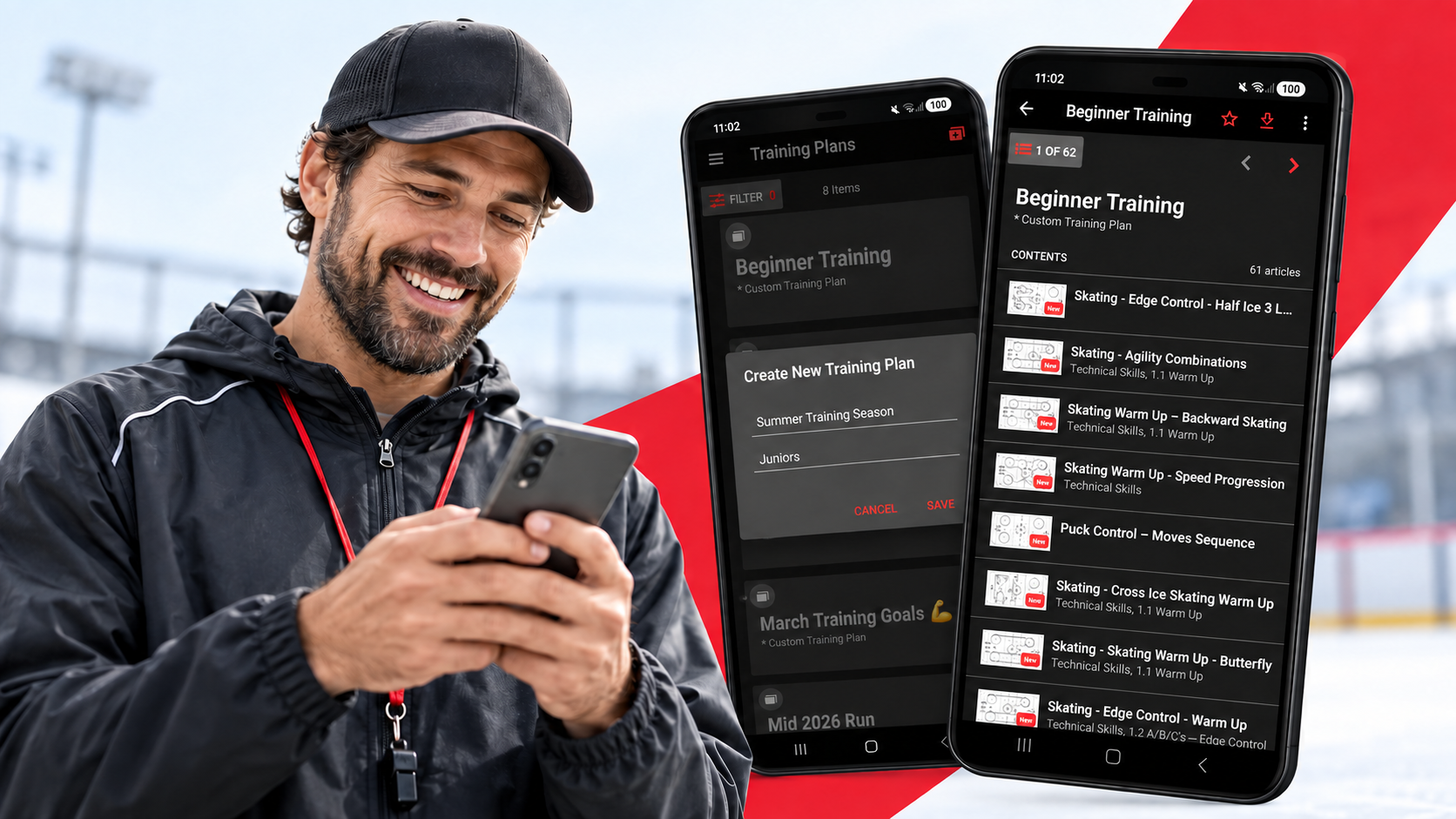
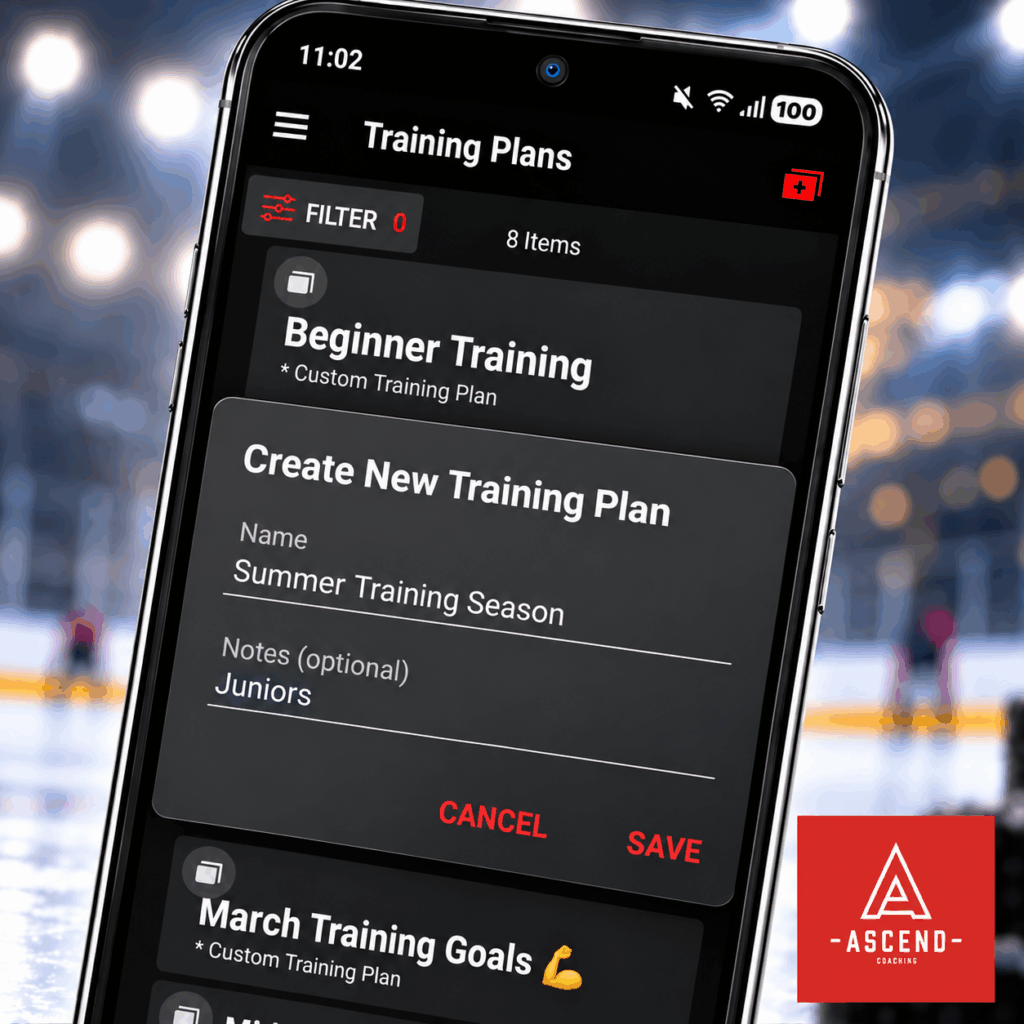
    One of Ascend’s biggest strengths is how easy it is to create and manage training plans. Getting started is simple: go to your account profile and click Training Plans. From there, you can create a brand-new training plan or edit any of your existing ones. This intuitive setup saves time and removes the friction often associated with athlete data, coaching documents, game plays, or scattered notes. Everything lives in one centralized place, making it easy to stay organized and consistent.

    Ascend allows coaches to go far beyond basic workout lists. You can build rich, dynamic training plans that truly reflect your coaching philosophy. Within each plan, you can add coaching videos to demonstrate proper technique, explain concepts, or reinforce key cues. This visual element helps athletes better understand expectations and reduces confusion, especially when they’re training remotely or independently.

    In addition to videos, Ascend lets you include helpful articles and informative series that support athlete education. This is especially valuable for teaching topics like recovery, mindset, nutrition habits, or long-term development. Instead of repeating the same explanations over and over, you can embed high-quality educational content directly into the training plan, allowing athletes to learn at their own pace while reinforcing your coaching message.

    Built for Individual Athletes and Flexible Sports Coaching

    Customization is at the heart of Ascend. Every athlete is different, and the app makes it easy to tailor training plans to individual needs. Whether you’re adjusting workloads, emphasizing specific skills, or scaling difficulty levels, Ascend gives you the flexibility to adapt without rebuilding everything from scratch. You can update plans as athletes progress, recover from injury, or transition into new phases of training, ensuring the plan always matches their current situation.

    Another major advantage of Ascend is how it improves communication. Athletes can access their training plans anytime, from any device, which eliminates confusion about what they should be doing and when. Coaches can provide clarity, context, and purpose within the plan itself, helping athletes understand not just what they’re doing, but why they’re doing it. This clarity increases buy-in, consistency, and overall effort.

    Spend Less Time Managing, More Time Coaching with Ascend

    Ultimately, Ascend empowers coaches to spend less time managing logistics and more time coaching. By centralizing training plans, educational content, and media in one easy-to-use platform, it streamlines your workflow while elevating the athlete experience. Everything you need to customize athlete training such as videos, articles, series, charts, and photos are easily accessible to you. For coaches who value efficiency and clarity, Ascend isn’t just a convenience, it’s a game-changing tool for creating training plans.

  • How to Make Great Training Plans for Your Athletes as a Coach

    How to Make Great Training Plans for Your Athletes as a Coach

    A great training plan is more than a list of workouts, it’s a roadmap that guides athletes toward long-term development, peak performance, and sustainable health.

    As a coach, your role is to balance science, structure, and human understanding to create a plan that meets athletes where they are and takes them where they want to go.

    The first step in building an effective training plan is understanding your athletes. This means assessing their current fitness level, technical skills, injury history, training age, and personal goals.

    A beginner athlete needs a very different approach than an experienced one, even if they compete in the same sport. Take time to gather data through testing, observation, and honest conversations. The more individual context you have, the more precise and effective your plan will be.

    Once you know your athletes, define clear objectives. A strong training plan always answers the question: What are we trying to improve right now?

    Goals should be specific, measurable, and realistic within the given time frame. These may include improving strength, endurance, speed, technical skill, or recovery capacity. Align short-term goals with long-term development so each phase of training builds toward a bigger picture rather than chasing random improvements.

    Setting Clear Goals That Drive Purposeful Training

    Structure and progression are the backbone of any successful plan. Organize training into phases (often called periodization), each with a clear focus. For example, one phase may emphasize general conditioning, while another targets sport-specific intensity. Within each phase, gradually increase demands through volume, intensity, or complexity. Progression should challenge athletes without overwhelming them. Remember: adaptation happens when stress is applied and properly managed.

    Recovery is just as important as training itself. A common coaching mistake is planning great workouts but neglecting rest. Schedule recovery days, lighter sessions, and deload weeks intentionally. Monitor signs of fatigue, declining performance, or loss of motivation. Athletes don’t improve during training—they improve during recovery from training. Sleep, nutrition, and stress management should be part of the conversation, not an afterthought.

    Flexibility is another key element. No plan survives reality exactly as written. Athletes get sick, school or work stress increases, competitions change, and energy levels fluctuate. A great coach adjusts without losing direction. Use ongoing feedback—both objective data and athlete communication—to refine the plan as you go.

    Finally, communicate the why behind the plan. When athletes understand the purpose of their training, they buy into the process and train with greater intent. Explain how each phase connects to their goals and how consistency over time leads to success.

    Why Ascend is a Game-Changing Tool for Building Effective Training Plans

    The Ascend sports coaching app is a powerful tool for coaches looking to create effective training plans because it lets you design, organize, and share structured programs digitally and professionally. With Ascend, coaches can build customized training content that reflects their own coaching philosophy and deliver it instantly to their athletes’ devices, ensuring everyone stays aligned on workouts, drills, and performance goals.

    The sports coaching platform supports real-time communication, which helps you give feedback, answer questions, and adjust plans as athletes progress. It also includes analytics and engagement tools that let you track how athletes interact with your content and understand what’s working well, helping you fine-tune future training cycles.

    Because it’s built for use on any device and integrates seamlessly with other coaching tools, Ascend makes training planning more efficient, flexible, and athlete-focused than traditional paper or spreadsheet systems—saving you time while enhancing your team’s development.

    In the end, the best training plan is one that is individualized, goal-driven, progressive, and adaptable. When athletes feel supported, challenged, and understood, your plan becomes more than programming, it becomes a foundation for lasting performance and growth.