Category: Youth Sports

  • Beyond the Basics: How Sports Apps Turn Data into Winning Performance

    Beyond the Basics: How Sports Apps Turn Data into Winning Performance

    Talent still matters, but so does discipline. But in modern sport, they are no longer sufficient on their own. What separates the merely good from the consistently dominant is something less visible: data.

    Data that is either quietly, or openly collected with consent. As mobile apps and digital tools have slipped into the daily rhythms of training, reshaping how athletes prepare and perform.

    Sports organizations are beginning to see performance not as a mystery, but as something that can be measured, fine-tuned, and, to a striking degree, shaped to a high standard.

    Athletes can track metrics such as speed, heart rate, distance covered, and even sleep quality. This data provides a deeper understanding of an athlete’s physical condition, helping coaches make informed decisions. For example, professional teams like the Golden State Warriors use performance data to monitor player workload and reduce the risk of injuries. Instead of relying on guesswork, decisions are backed by measurable evidence.


    Performance Monitoring

    Fitness tracking is another key feature that has reshaped training programs. Wearable devices synced with mobile apps allow athletes to monitor their progress in real time. Whether it’s counting steps, measuring endurance, or tracking calories burned, these tools help athletes stay accountable and motivated.

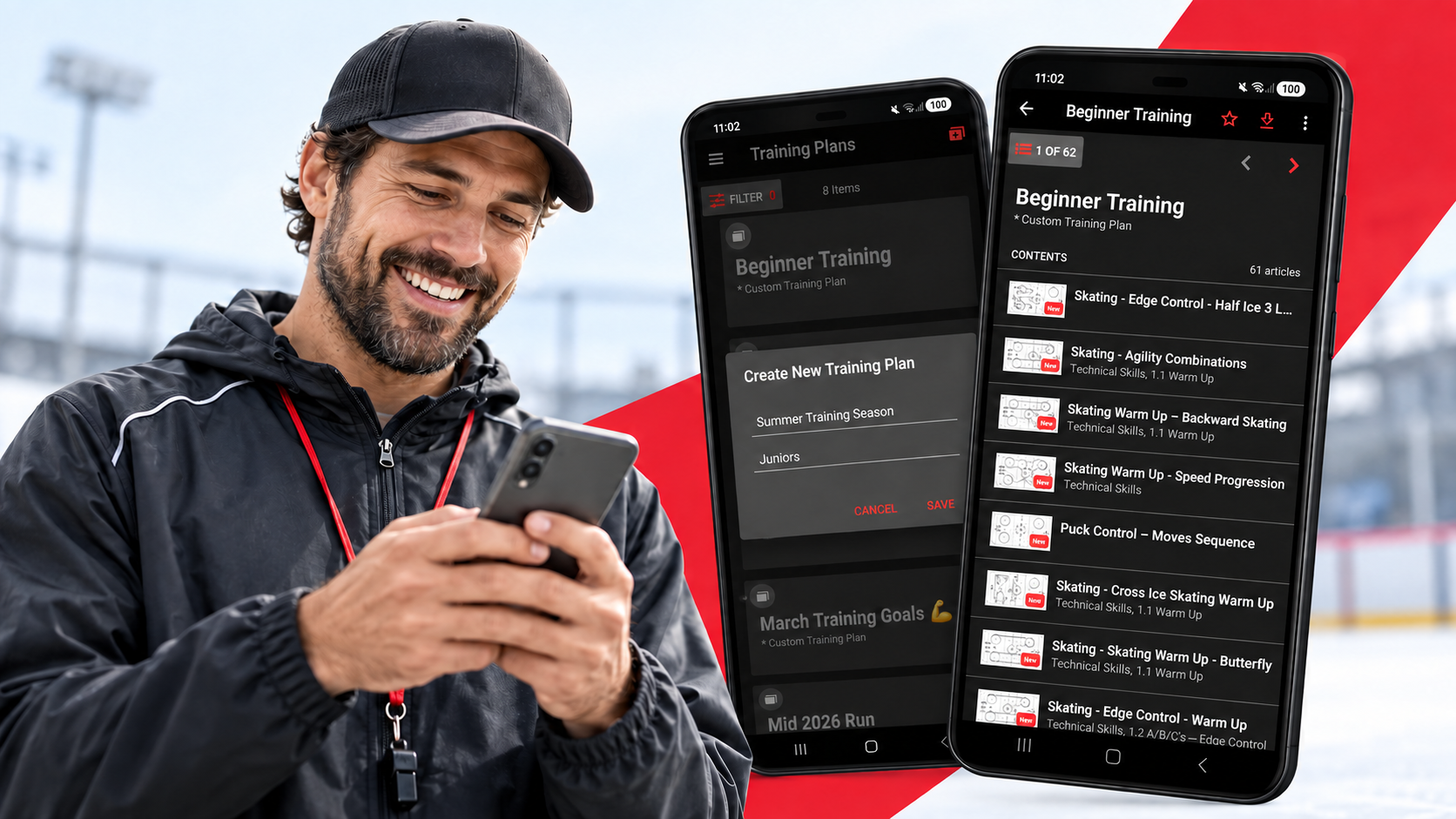
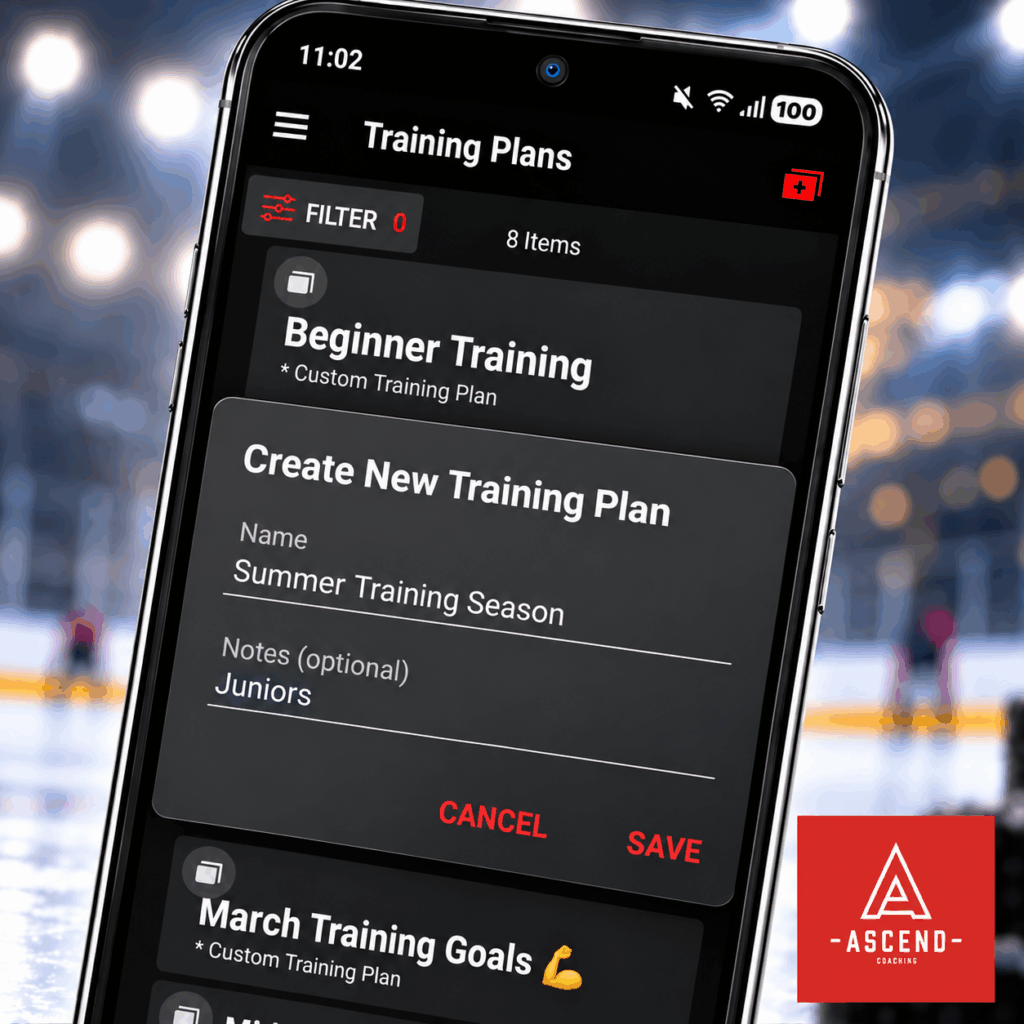
    Training plans can be customized based on individual performance, ensuring that each athlete develops at their own pace. Ascend excels in this, bringing a personalized approach that is especially valuable for both elite professionals and developing athletes.

    Notifications on the Go

    Moreover, these apps promote better communication between athletes and coaches. Training updates, feedback, and performance summaries can be shared instantly, creating a more collaborative environment. Athletes no longer have to wait for in-person sessions to receive guidance—they can improve continuously with digital support.

    Smarter Coaching Through Data

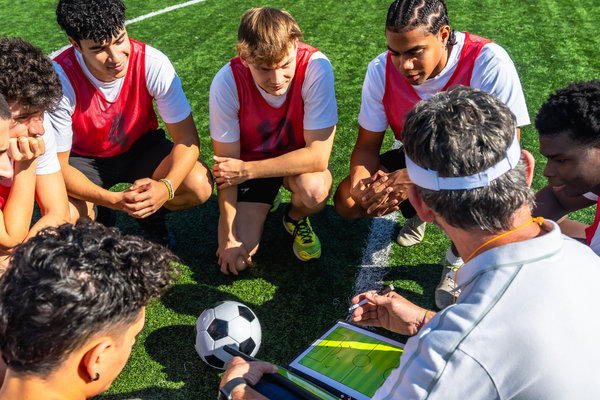
    Coaching has also evolved significantly through app integration. Coaches can now review detailed performance reports, identify strengths and weaknesses, and adjust strategies accordingly. Video analysis tools within apps allow for instant feedback, making it easier to correct techniques and improve skills. Even globally recognized clubs like FC Barcelona utilize data-driven insights to refine tactics, view player history, and maintain peak performance levels.

    Without a doubt, data-driven sports apps are revolutionizing the way athletes train and perform. By combining analytics, fitness tracking, and advanced coaching tools, these technologies provide a smarter, more efficient approach to athletic development.

    As technology continues to evolve, the gap between organizations that adapt and those that hesitate will only widen. Teams that integrate smart, data-driven tools into their training systems are not just improving performance, they’re building a sustainable competitive advantage.

    With a sports coaching app like Ascend, that future becomes more accessible: turning complex data into clear insights, streamlining communication, and empowering athletes and coaches to perform at their highest level, every day.

  • Freestyle Canada Embraces the Digital Future with New Custom App

    Freestyle Canada Embraces the Digital Future with New Custom App

    From Grassroots to Olympic Excellence

    Freestyle Canada is currently developing a custom-built mobile application in partnership with Ascend, marking a significant step forward in how national sport organizations can harness technology to support athletes, coaches, and clubs. This collaboration represents a shared vision to modernize sports coaching and athlete development and strengthen communication across the freestyle skiing community, setting a new benchmark for how sports organizations can evolve and thrive in the digital age.

    As the national governing body for freestyle skiing in Canada, Freestyle Canada oversees the country’s participation and development in the mogul, aerial, slopestyle, halfpipe, and big air disciplines. The organization plays a vital role in supporting athletes at every stage of their journey from grassroots programs that introduce young athletes to the sport, to high-performance pathways that prepare competitors for the world stage. Through its programs and services, Freestyle Canada is committed to building people, training athletes, and delivering champions.

    That commitment to excellence continues to produce remarkable results. The strength of Canada’s freestyle skiing system was once again evident at the Milano Cortina 2026 Olympic Winter Games, where Team Canada achieved its best-ever Olympic performance across freestyle skiing events, with Megan Oldham winning gold in the women’s freestyle skiing big air and Mikaël Kingsbury taking gold in the men’s dual moguls. These achievements reflect the dedication of Freestyle athletes, coaches, and clubs nationwide, as well as the continued investment in innovative tools and resources that support long-term athlete development.

    Building the Future of Freestyle Training

    The next phase of Freestyle Ski Canada’s evolution will not happen only on the slopes. It will also happen on screens.

    A key priority of the platform is ensuring that coaches and athletes have access to the most current, relevant, and high-quality coaching content. In a sport that continues to evolve rapidly, having up-to-date training resources and development materials is essential for maintaining performance standards and athlete safety. The app will allow Freestyle Ski Canada to deliver the latest coaching content directly to its community, ensuring that best practices and technical updates are readily accessible when they are needed most.

    The result is something subtle but powerful: a more connected ecosystem focused on community engagement. Athletes can access guidance and training plans wherever they are actively training. And coaches — from local slopes to high-performance programs — can operate with greater cohesion, helping ensure that athlete development in Canada remains both consistent and forward-looking.

    On Track, On Slope, On Demand

    At the heart of the platform is accessibility and flexibility. The app is designed to function seamlessly across devices, allowing users to access training materials, updates, and resources anytime and anywhere, even without an internet connection. Whether athletes are training in the gym, on the slopes, or traveling between competitions, the platform ensures that important information and programming remain available when it is needed most.

    Setting the Line for Athlete Development

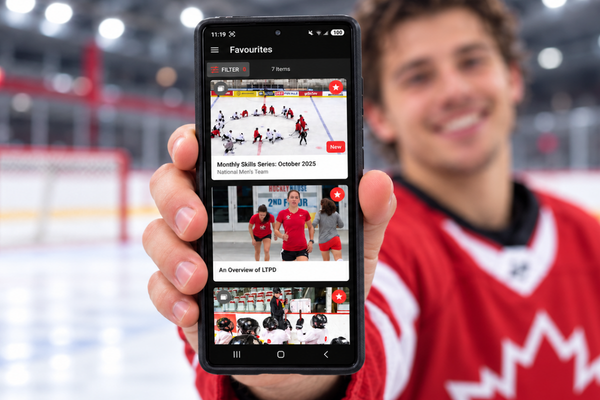
    Another core feature of the app is its ability to empower coaches with customizable training tools. Coaches will be able to design and share personalized training plans directly within the platform, inviting members to access schedules, drills, and performance resources in one convenient location. Coaches and members will receive notifications about important training updates, helping them stay informed and engaged. The platform also supports two-way interaction, allowing team members to share feedback, progress updates, and training content with their coaches.

    Advancing Freestyle Skiing Through Technology

    The technology behind the Freestyle Ski Canada App is powered by Ascend, a company that specializes in building custom-branded sports coaching platforms for sports organizations.

    Ascend’s mobile app solutions are designed to help clubs and governing bodies scale athlete development, improve team communication, and reinforce organizational identity through digital tools tailored to their needs.

    By partnering with Ascend, Freestyle Canada is investing in a platform that not only supports its current athletes and coaches but also strengthens the foundation for the next generation of freestyle skiers. As sport continues to evolve in an increasingly digital world, initiatives like the Freestyle Ski Canada App demonstrate how technology can enhance coaching, deepen community engagement, and help organizations remain at the forefront of athlete development.

    Together, Freestyle Canada and Ascend are building a digital ecosystem that reflects the energy, innovation, and competitive spirit of Canadian freestyle skiing, ensuring coaches have the tools they need to continue pushing boundaries and athlete success on the world stage.

  • Speed, Agility, and Coordination: Essential Skills for Youth Sports Training

    Speed, Agility, and Coordination: Essential Skills for Youth Sports Training

    When it comes to developing young athletes, three fundamental pillars often define success across all sports — speed, agility, and coordination. Whether it’s a football player sprinting down the field, a basketball guard changing direction on defense, or a tennis player reacting to a serve, these abilities form the foundation of athletic performance. For youth athletes, training these skills early and correctly not only enhances performance but also promotes injury prevention, confidence, and lifelong physical literacy.

    Understanding the Three Pillars

    Speed, at its core, is the ability to move quickly from one point to another. For youth athletes, this doesn’t just mean sprinting faster — it’s about improving acceleration, reaction time, and stride efficiency. Speed training helps children learn how to apply force effectively, control their body mechanics, and develop explosive power safely.

    Agility is the ability to change direction rapidly and efficiently while maintaining control. It requires a blend of balance, coordination, and cognitive reaction — all vital for real-game performance. In sports, agility determines how quickly a player can transition from offense to defense or dodge an opponent’s challenge.

    Coordination refers to the seamless synchronization of movement patterns. It’s the glue that connects speed and agility. For younger athletes, coordination is critical in developing motor skills — catching, throwing, kicking, or maintaining balance. A coordinated athlete can execute complex skills with precision and fluidity.

    Together, these three elements form a performance triangle that every youth coach should prioritize in training programs.

    Why Early Development Matters

    Children are most receptive to learning movement skills between the ages of 8 and 14. During this period, the brain is highly adaptable, allowing athletes to absorb and refine motor patterns more efficiently. This “golden window” is the perfect time to teach fundamental athletic skills like sprint mechanics, lateral movement, and body control.

    Unfortunately, many young athletes today specialize too early in one sport, focusing on repetitive skills rather than building a broad athletic foundation. This can lead to imbalances, overuse injuries, and reduced overall athleticism. Coaches who emphasize speed, agility, and coordination training across different movements and sports create athletes who are more adaptable, durable, and confident.

    Effective Training Strategies

    Developing speed, agility, and coordination in youth athletes doesn’t require overly complex drills — it requires smart, progressive training. Here are some practical approaches:

    1. Start with Movement Fundamentals

    Teach proper running mechanics, posture, and foot placement. Use short sprints, skipping drills, and acceleration starts to help athletes understand movement efficiency.

    2. Train Agility Through Play

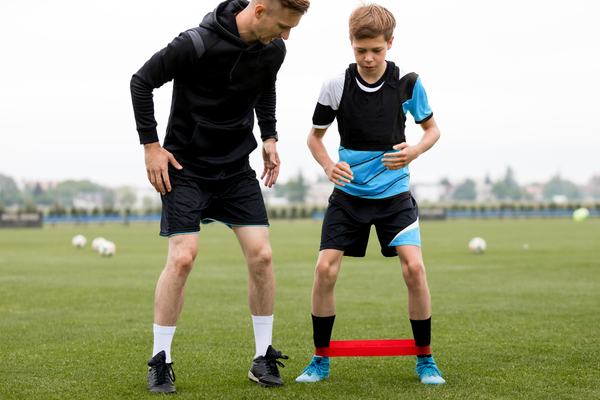
    Games like tag, mirror drills, or reactive cone drills challenge young athletes to change direction based on visual or auditory cues. This makes agility training fun and game-like while improving reaction speed.

    3. Build Coordination Through Variety
    Incorporate balance exercises, jumping and landing drills, and crossover movements. Sports like gymnastics, martial arts, or dance can also improve coordination and proprioception — the body’s awareness in space.

    4. Include Reaction and Decision-Making

    Agility isn’t just physical — it’s cognitive. Drills that require reacting to a coach’s signal, a teammate’s movement, or a changing environment simulate real-game demands.

    5. Prioritize Proper Progression

    Keep drills age-appropriate. Younger athletes should focus on body control and movement quality, while older youth can safely integrate resistance, plyometrics, and more advanced drills.

    The Role of Coaching and Communication

    A coach’s ability to communicate clearly and consistently is vital for developing these skills. Youth athletes thrive on feedback and structure, but too much complexity can overwhelm them. Effective coaches simplify instruction, demonstrate movements clearly, and give athletes room to explore and self-correct.

    In today’s fast-paced sports environment, many coaches also manage multiple teams or remote training sessions. Keeping every athlete aligned with the same drills, goals, and philosophy can be challenging. That’s where technology becomes a game-changer.

    Streamline Your Coaching with Ascend Sports Coaching

    Imagine being able to deliver your coaching message with clarity and speed — no confusion, no delays, and no missed opportunities for feedback. 

    The Ascend Sports Coaching app is designed to do just that.

    With Ascend, you can:

    In youth sports, consistency and communication are just as important as the drills themselves. Ascend helps coaches stay connected, organized, and effective. Ensuring that every athlete understands what to do, why it matters, and how to improve.

    • Share custom training content instantly with your athletes or coaching staff.
    • Keep your entire team aligned with your strategy, even when they’re training remotely.
    • Send videos, drills, and performance notes directly through the app for seamless communication.
    • Track athlete progress and adjust training plans in real-time.

    Developing speed, agility, and coordination isn’t just about performance, it’s about building complete, confident, and capable athletes. By focusing on these fundamentals, coaches can help young players build a foundation that supports every sport and every goal they pursue.