
Tag: Athlete Support

  • Let Them Try: Why Sampling Different Sports Matters

    Let Them Try: Why Sampling Different Sports Matters

    Choosing a sport can feel like an important decision for a young athlete and their family. With competitive leagues, development programs, scholarships, and professional pathways often receiving attention, there can be pressure to identify the “right” sport as early as possible.

    However, young athletes do not always know what suits them after a single season. They may need time to explore different environments, learn new skills, and understand what genuinely excites them. Sampling several sports before specializing gives them the freedom to discover where they feel most motivated, capable, and connected.

    Discovering Genuine Interest

    A young athlete may initially choose a sport because friends are playing, a family member enjoys it, or a famous athlete has inspired them. These are perfectly good reasons to begin, but they do not necessarily indicate a lasting passion.

    Trying different sports allows young athletes to compare experiences. One may enjoy the constant movement and teamwork of soccer, while another may prefer the individual focus of swimming. Some may thrive in fast-paced competition, while others feel more engaged in sports that reward patience, precision, or strategy.

    The goal is not to immediately find the sport in which they perform best. It is to notice which activity makes them eager to return. Genuine enthusiasm often appears in simple ways: talking about practice afterward, wanting to improve a skill, or continuing to play without being reminded.

    Building a Wider Range of Skills

    Different sports develop different physical and mental abilities. Basketball can strengthen coordination, spatial awareness, and quick decision-making. Gymnastics can build balance and body control. Swimming supports endurance, while martial arts may develop concentration, discipline, and confidence.

    When young athletes participate in several activities, they build a broader athletic foundation. Skills learned in one sport may also transfer to another. Agility developed through soccer may help on a tennis court, while the timing learned in volleyball may support future success in basketball.

    Variety also encourages adaptability. Young athletes learn how to respond to different coaches, teammates, rules, and competitive situations. These experiences can make them more versatile and confident when they eventually decide to focus on one sport.

    Reducing Pressure and Burnout

    Specializing too soon can sometimes turn an enjoyable activity into an obligation. Repeating the same training schedule throughout the year may lead to mental fatigue, declining motivation, or frustration when progress slows.

    Sampling sports gives young athletes room to refresh their interest. A different season introduces new challenges and allows heavily used movement patterns to rest. It can also remind them that sport is not only about rankings, selection, or future opportunities. It is also about play, friendship, curiosity, and personal growth.

    Parents and coaches can support this process by asking open questions. Instead of focusing only on scores or results, they might ask:

    • What did you enjoy most today?
    • What skill would you like to learn next?
    • Did you feel comfortable with your coach and teammates?
    • Would you choose to play this sport again?

    The answers can reveal more than a win-loss record.

    Knowing When Specialization Makes Sense

    Sampling does not mean avoiding commitment forever. As young athletes mature, some will naturally develop a strong preference. They may begin requesting additional practice, seeking more advanced coaching, or setting personal goals within a particular sport.

    At that point, specialization can become a thoughtful next step rather than a decision made for them. Families should consider not only ability, but also motivation, physical readiness, coaching quality, time demands, costs, and the athlete’s overall well-being.

    A possible career should be approached as a pathway, not a promise. Professional competition is only one future within sport. Experience can also lead toward coaching, officiating, athletic therapy, sports science, management, media, or community development. The lessons gained through participation remain valuable even when the original goal changes.

    Supporting Every Stage with Ascend

    As young athletes explore different sports, clear communication and organized development can help them understand their progress. Ascend gives coaches a central place to share training plans, instructional resources, feedback, and team updates. This makes it easier to create structured experiences while adapting support to each athlete’s changing interests and needs.

    The right sport is not always the first one a young athlete tries, or even the one in which they win first. Sometimes the most meaningful beginning is simply having the freedom to step onto different fields, courts, tracks, and pools until one of them feels like a place worth returning to.
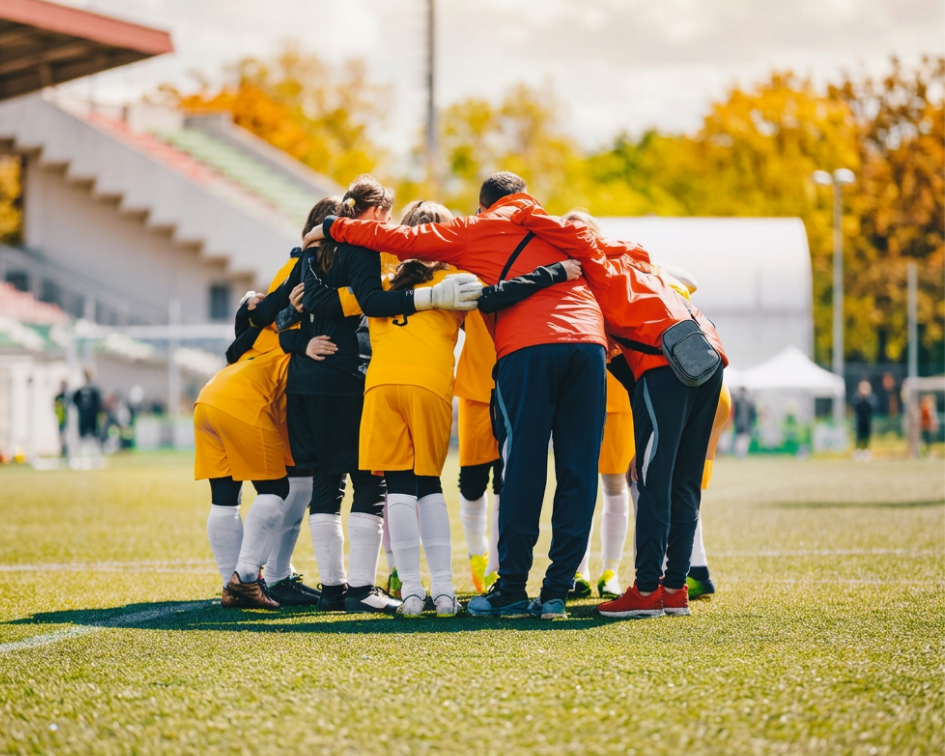
  • Parents and Coaches: Building a Winning Partnership

    Parents and Coaches: Building a Winning Partnership

    Behind every young athlete is a team of supporters working toward the same goal. While coaches provide instruction and mentorship on the field, parents offer encouragement, stability, and motivation at home.

    When these two groups work together, young athletes benefit from a consistent, positive environment that supports both athletic and personal growth.

    Strong partnerships between parents and coaches are built on trust, communication, and shared expectations. They create an atmosphere where athletes feel supported rather than pulled in different directions, allowing them to focus on learning, developing new skills, and enjoying the sport they love.

    Putting the Athlete First

    The most successful parent-coach relationships begin with one simple principle: the athlete’s well-being comes first.

    Although parents and coaches may have different roles, they share a common objective which is to help young athletes grow in confidence, develop their abilities, and enjoy the experience of participating in sports.

    Keeping this shared purpose at the center of every conversation makes it easier to navigate challenges, whether it’s concerns about playing time, skill development, or competition schedules.

    When adults prioritize the athlete instead of personal expectations, decisions become more collaborative and productive.

    Building Trust Through Open Communication

    Trust doesn’t happen automatically. It develops through honest, respectful communication over time.

    Coaches should clearly communicate team expectations, practice schedules, goals, and coaching philosophies at the beginning of the season. Parents, in turn, can support this process by asking questions respectfully, sharing relevant information about their child, and addressing concerns privately rather than during games or practices.

    Regular communication helps prevent misunderstandings before they become larger issues. It also reassures families that coaches are invested in each athlete’s development and not just their performance during competition.

    Listening is just as important as speaking. When parents and coaches take the time to understand each other’s perspectives, they build stronger relationships based on mutual respect.

    Supporting Consistent Messages

    Young athletes benefit when the adults in their lives reinforce the same values.

    If coaches emphasize teamwork, resilience, and continuous improvement, parents can strengthen those lessons by encouraging similar attitudes at home. Instead of focusing solely on wins or statistics, conversations can celebrate effort, sportsmanship, personal growth, and learning from challenges.

    Consistency creates confidence. When athletes receive similar messages from both coaches and parents, they are less likely to feel confused or pressured by conflicting expectations.

    This unified approach helps children develop healthy habits that extend beyond sport.

    Respecting Each Role

    A successful partnership also requires understanding where each role begins and ends.

    Coaches bring technical expertise, plan practices, and make decisions that support the team’s overall development. Parents provide emotional support, encourage healthy routines, and help children maintain a positive perspective throughout the season.

    While it’s natural for parents to want the best for their child, avoiding the role of a “second coach” can reduce unnecessary pressure and confusion. Likewise, coaches who remain approachable and transparent create an environment where parents feel comfortable asking questions and supporting the team’s goals.

    Respect for each other’s responsibilities creates a stronger foundation for everyone involved.

    Technology Can Strengthen Communication

    As teams grow and schedules become busier, staying connected can become more challenging. Practice changes, tournament updates, training resources, and important announcements can easily become lost in email threads or group messages.

    Digital coaching platforms help simplify communication by providing one central place for coaches and families to stay informed. Parents can view schedules, receive team updates, access training resources, and better understand what athletes are working on throughout the season.

    This level of transparency helps reduce confusion while allowing parents to reinforce learning and preparation at home. Instead of wondering what comes next, families can stay connected to their child’s athletic journey with greater confidence.

    Trust that digital platforms like Ascend support this collaboration by helping coaches organize communication, share practice plans and development resources, and keep athletes and parents connected throughout the season—all within a single, easy-to-use platform.

    A Partnership That Lasts Beyond the Season

    The relationship between parents and coaches is about much more than managing practices or preparing for games. Together, they help shape the experiences that young athletes will remember long after the season ends.

    When trust, communication, and shared goals guide that partnership, athletes feel supported in every environment. They become more confident in taking on challenges, more resilient in the face of setbacks, and more likely to develop a lifelong love of sport.

    Winning games is always rewarding, but the strongest partnerships create something even more valuable: confident young people who know they have a team of adults working together to help them succeed. Both on and off the field.