Tag: coach

  • Coach’s Toolkit: One Question Worth Asking

    Coach’s Toolkit: One Question Worth Asking

    If a new coach joined your organization tomorrow, how long would it take them to understand how you do things?

    A day? A week? A season?

    The answer reveals more than you might think. It offers a glimpse into the strength, sustainability, and scalability of your coaching system.

    Many organizations operate on what could be called “tribal knowledge” which are the unwritten habits, expectations, and methods that exist primarily in the minds of veteran coaches. These systems often function well when the same people remain in place year after year. But what happens when someone leaves? What happens when a new coach arrives, eager to contribute but unsure of the organization’s philosophy, standards, or expectations?

    Without a clear framework, the learning curve can be steep. New coaches spend valuable time trying to decode how things are done rather than focusing on athlete development. Consistency suffers, communication becomes fragmented, and the quality of the athlete experience can vary dramatically from team to team.

    Strong organizations take a different approach.

    Rather than relying on individual personalities or institutional memory, they create systems that make good coaching transferable. They document their core principles, define their standards, and establish clear expectations for how coaches teach, communicate, and develop athletes.

    This doesn’t mean every coach becomes identical. Great coaching still requires personality, creativity, and adaptability. What it does mean is that every coach operates from the same foundation. The organization’s values remain consistent, even when personnel change.

    Think about successful businesses, military units, or educational institutions. Their effectiveness isn’t dependent on one person possessing all the answers. Instead, they build processes that allow knowledge to be shared, replicated, and improved over time. Coaching organizations can benefit from the same mindset.

    A coaching framework might include a documented philosophy, practice design principles, communication guidelines, athlete development pathways, or standards for evaluating performance. It serves as a roadmap that helps coaches understand not just what to do, but why they do it.

    The benefits extend beyond onboarding. Clear frameworks improve collaboration among staff members, create greater alignment across age groups or teams, and help leaders identify areas for growth. Most importantly, they provide athletes with a more consistent and supportive environment.

    If you’re unsure where your organization stands, try a simple exercise. Imagine a capable coach joins your staff tomorrow:

    • What resources would you hand them?
    • How quickly could they understand your expectations?
    • Could they confidently explain your coaching philosophy after a few days, or would they need months of observation and trial-and-error?

    The goal isn’t perfection. Every organization evolves, and every system can improve. But the exercise highlights an important truth: sustainable success depends on more than talented individuals.

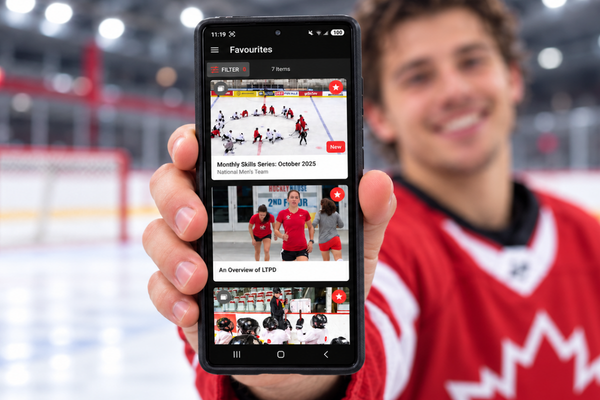
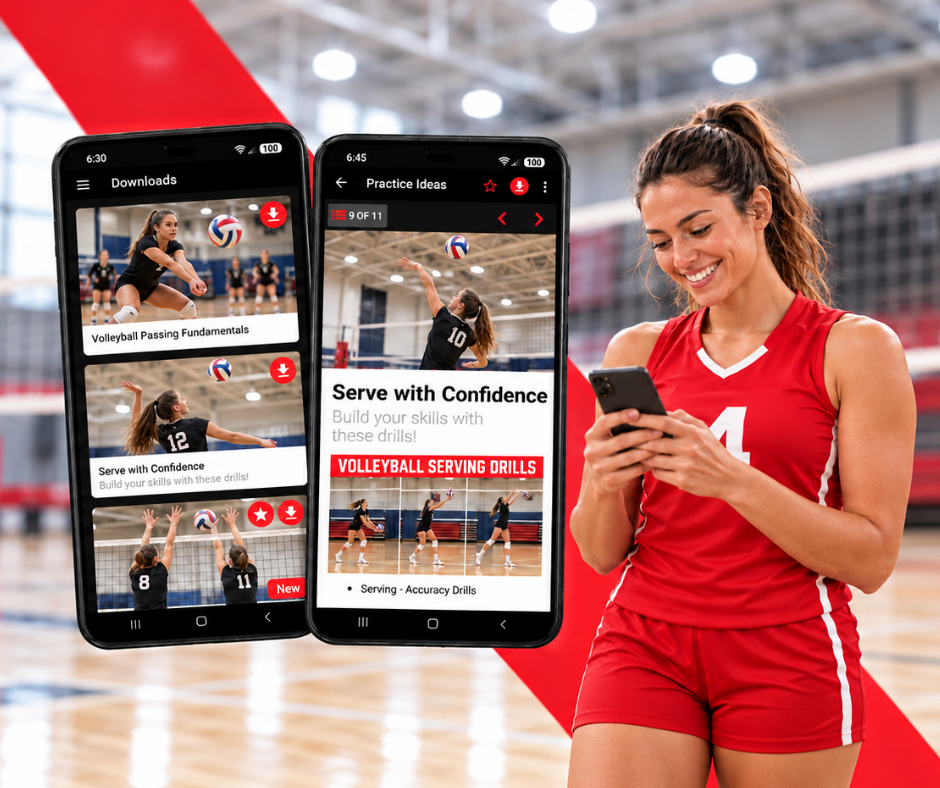
    Building and maintaining these coaching frameworks becomes significantly easier when the right tools are in place. The Ascend App helps coaching organizations centralize resources, align staff around shared standards, and streamline communication across teams. By providing coaches with easy access to philosophies, practice plans, development frameworks, and key organizational documents, Ascend reduces reliance on tribal knowledge and promotes greater consistency throughout the program.

    The result is stronger collaboration among coaches, more efficient onboarding, and a coaching environment designed to drive long-term athlete and organizational performance.

    The strongest organizations don’t leave excellence to chance. They build frameworks that help good coaching spread, regardless of who’s holding the whistle.

    And that may be one of the most important investments a coaching leader can make.

  • Leadership in Sports Coaching: Creating a Winning Team Culture

    Leadership in Sports Coaching: Creating a Winning Team Culture

    Talent may win games in moments, but team culture sustains success over seasons.

    Behind nearly every successful team is a coach who understands that leadership is not just about strategy or performance, it is about building an environment where athletes trust one another.

    A winning team culture does not happen accidentally. It is shaped deliberately, day after day, through consistent leadership. Having players communicate openly and remain committed to a shared standard.

    Strong team culture is all about trust. Athletes perform best when they trust both their coach and their teammates. When expectations are clearly communicated and applied fairly across the team, athletes feel secure in their roles. Trust also grows when coaches listen.

    Players want to feel heard, not just instructed. In many sports environments, communication flows in only one direction: the coach speaks, and the athletes are expected to execute. But the strongest team cultures are often built by coaches who understand that listening is not a weakness in leadership, it is part of it. When athletes feel they can speak honestly about frustrations, pressures, or uncertainty without immediately being dismissed, trust deepens. They become more invested not only in the coach, but in the team itself.

    Trust becomes especially important during adversity. Losing streaks, injuries, or internal frustrations can quickly divide a group if the culture is weak. Strong coaches maintain stability during difficult periods by reinforcing shared goals and encouraging accountability instead of blame. In these moments, leadership is measured less by emotion and more by composure.

    Another essential element of team culture is discipline. In successful programs, discipline is not rooted in fear or punishment alone, it is tied to standards. Coaches establish habits that define how the team trains. Athletes begin to understand that discipline is not restrictive, it is meant to create reliability. When every player commits to the same standards, the team develops consistency both on and off the field.

    Importantly, discipline must be modeled by the coach as well. Players quickly recognize whether a coach’s actions align with their message. Coaches who arrive prepared, communicate respectfully, and maintain professionalism create an example athletes are more likely to follow. Leadership, in many ways, is contagious. To lead by example cannot be said enough.

    A positive team culture also creates space for leadership within the group itself. Coaches who empower captains and veteran players help athletes take ownership of the team’s identity. When leadership is shared, accountability becomes stronger and more sustainable.

    Equally critical is communication. Teams are made up of different personalities, backgrounds, and motivations. Some athletes respond to direct challenges, while others perform better with encouragement and reassurance. Effective coaches learn how to adapt their communication style without compromising standards. They understand that motivation is not one-size-fits-all. Ignoring tension rarely makes it disappear. Strong leaders address issues early, encourage honest conversation, and focus on solutions rather than personal attacks. By managing conflict constructively, coaches can prevent division from damaging team chemistry.

    Strong leadership has always depended on consistency and communication, but modern coaching also requires organization behind the scenes. Tools like Ascend can help coaches reinforce that culture day to day, giving teams a clearer way to track development, manage communication, and keep athletes connected to shared goals. Because in the end, great team culture is not built through motivation alone. It is built through structure that athletes can rely on every day.

    In the end, trophies and titles may mark a season, but team culture is what athletes carry with them long after competition ends.

  • How to Make Great Training Plans for Your Athletes as a Coach

    How to Make Great Training Plans for Your Athletes as a Coach

    A great training plan is more than a list of workouts, it’s a roadmap that guides athletes toward long-term development, peak performance, and sustainable health.

    As a coach, your role is to balance science, structure, and human understanding to create a plan that meets athletes where they are and takes them where they want to go.

    The first step in building an effective training plan is understanding your athletes. This means assessing their current fitness level, technical skills, injury history, training age, and personal goals.

    A beginner athlete needs a very different approach than an experienced one, even if they compete in the same sport. Take time to gather data through testing, observation, and honest conversations. The more individual context you have, the more precise and effective your plan will be.

    Once you know your athletes, define clear objectives. A strong training plan always answers the question: What are we trying to improve right now?

    Goals should be specific, measurable, and realistic within the given time frame. These may include improving strength, endurance, speed, technical skill, or recovery capacity. Align short-term goals with long-term development so each phase of training builds toward a bigger picture rather than chasing random improvements.

    Setting Clear Goals That Drive Purposeful Training

    Structure and progression are the backbone of any successful plan. Organize training into phases (often called periodization), each with a clear focus. For example, one phase may emphasize general conditioning, while another targets sport-specific intensity. Within each phase, gradually increase demands through volume, intensity, or complexity. Progression should challenge athletes without overwhelming them. Remember: adaptation happens when stress is applied and properly managed.

    Recovery is just as important as training itself. A common coaching mistake is planning great workouts but neglecting rest. Schedule recovery days, lighter sessions, and deload weeks intentionally. Monitor signs of fatigue, declining performance, or loss of motivation. Athletes don’t improve during training—they improve during recovery from training. Sleep, nutrition, and stress management should be part of the conversation, not an afterthought.

    Flexibility is another key element. No plan survives reality exactly as written. Athletes get sick, school or work stress increases, competitions change, and energy levels fluctuate. A great coach adjusts without losing direction. Use ongoing feedback—both objective data and athlete communication—to refine the plan as you go.

    Finally, communicate the why behind the plan. When athletes understand the purpose of their training, they buy into the process and train with greater intent. Explain how each phase connects to their goals and how consistency over time leads to success.

    Why Ascend is a Game-Changing Tool for Building Effective Training Plans

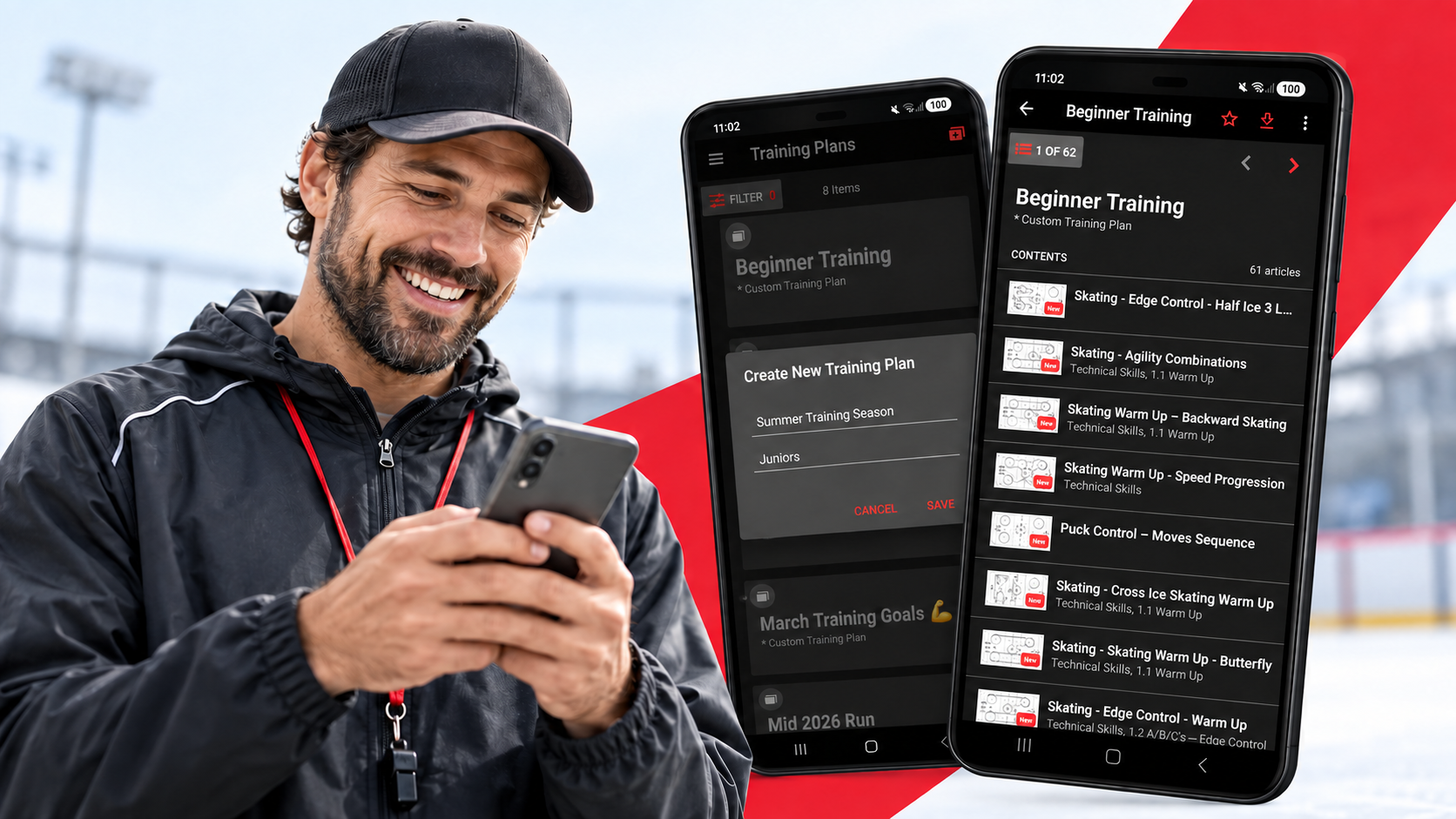
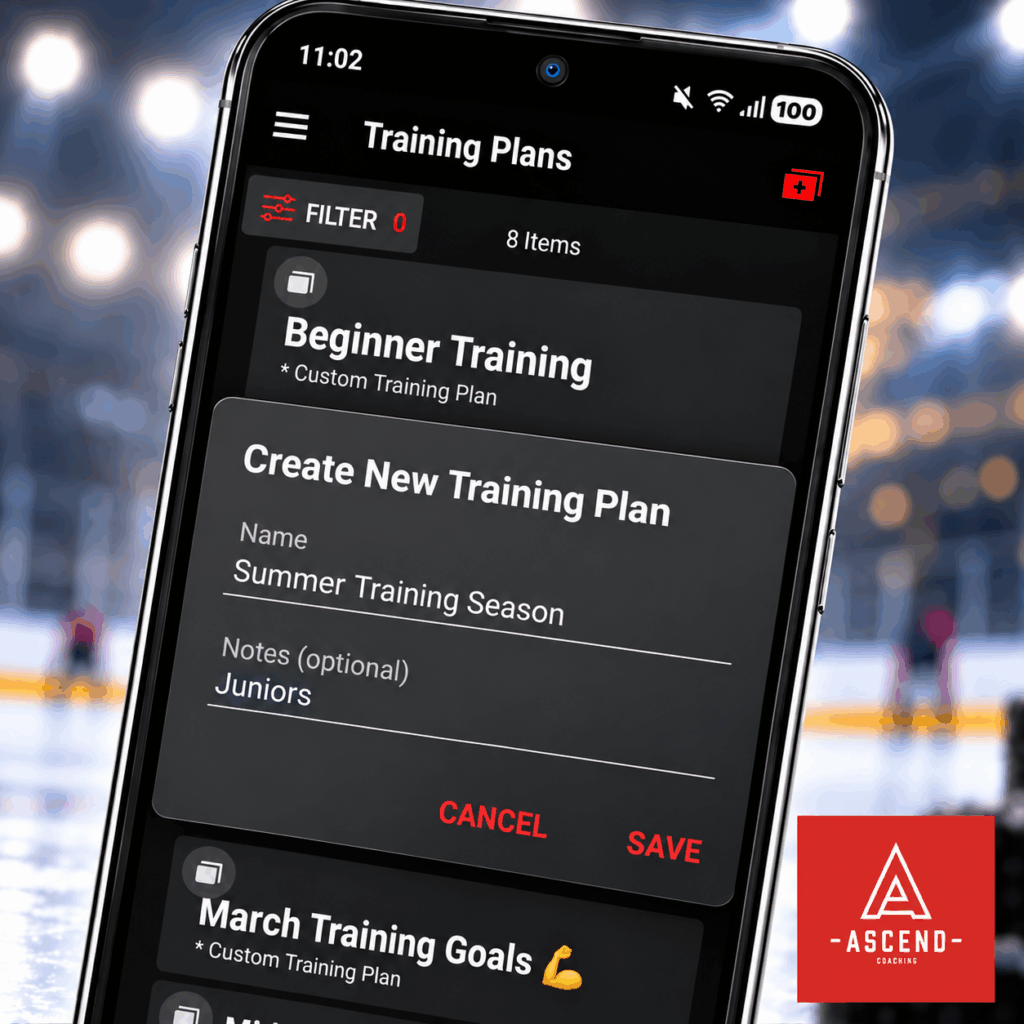
    The Ascend sports coaching app is a powerful tool for coaches looking to create effective training plans because it lets you design, organize, and share structured programs digitally and professionally. With Ascend, coaches can build customized training content that reflects their own coaching philosophy and deliver it instantly to their athletes’ devices, ensuring everyone stays aligned on workouts, drills, and performance goals.

    The sports coaching platform supports real-time communication, which helps you give feedback, answer questions, and adjust plans as athletes progress. It also includes analytics and engagement tools that let you track how athletes interact with your content and understand what’s working well, helping you fine-tune future training cycles.

    Because it’s built for use on any device and integrates seamlessly with other coaching tools, Ascend makes training planning more efficient, flexible, and athlete-focused than traditional paper or spreadsheet systems—saving you time while enhancing your team’s development.

    In the end, the best training plan is one that is individualized, goal-driven, progressive, and adaptable. When athletes feel supported, challenged, and understood, your plan becomes more than programming, it becomes a foundation for lasting performance and growth.

  • Empowering Women in Sport: The Canada Games Apprenticeship Program Opening Doors for Future Coaches

    Empowering Women in Sport: The Canada Games Apprenticeship Program Opening Doors for Future Coaches

    For decades, the Canada Games have showcased the country’s best young athletes, a celebration of competition, community, and national pride. But behind every athlete is a coach who helps them dream bigger, work harder, and find their purpose in sport. For women, breaking into those coaching roles hasn’t always been easy.

    Through the Canada Games Apprenticeship Program, doors are opening for the next generation of women coaches

    That’s why the Women in Coaching Canada Games Apprenticeship Program is changing the game — one coach at a time.

    This national initiative, a partnership between the Provincial/Territorial Coaching Representatives (PTCRs), the Canada Games Council (CGC), and the Coaching Association of Canada (CAC), gives women coaches from every province and territory the chance to step onto the Canada Games stage in apprenticeship roles. Two women coaches from each region are selected to join their teams, gaining hands-on experience, mentorship, and exposure at one of Canada’s premier multi-sport events.

    It’s more than an opportunity. It’s a movement toward equity, representation, and lasting change in Canadian sport.

    Creating Pathways for Women in Coaching

    The Canada Games environment is unlike any other — fast-paced, demanding, and deeply inspiring. For an apprentice coach, being immersed in that atmosphere provides lessons that no classroom or online course can replicate.

    Through the apprenticeship program, women coaches gain the practical experience and mentorship that often mark the difference between potential and opportunity. Working directly with athletes and teams, each coach is supported by an experienced mentor coach, ensuring that learning happens not only on the field of play but also through reflection, collaboration, and shared experience.

    For many participants, this hands-on environment becomes the launching pad for long-term coaching success from community sport to national-level competition.

    The Power of Experience and Mentorship

    Apprentice coaches are fully involved in the preparation and competition process. They contribute to game planning, athlete development, and the overall team dynamic, all while learning to navigate the realities of high-performance sport. Alongside their mentor coach, they explore everything from performance analysis to mental preparation and how to manage the emotional highs and lows of elite competition.

    A Call to Future Leaders

    Applications are now open for women coaches who are eager to take the next step in their journey. Whether they’re working with young athletes at the grassroots level or beginning to move into competitive coaching, the program offers an unparalleled opportunity to grow, learn, and connect.

    Interested coaches can review the program guidelines and access the application form –
    https://www.coach.ca/programs-and-initiatives/mentorship-and-apprenticeships/women-coaching-canada-games-apprenticeship

    By sharing this opportunity within your network — and encouraging emerging women coaches to apply — you help open doors for others and build a stronger, more inclusive sport community across Canada.

    Looking Ahead

    As the next Canada Games draw near, anticipation builds not only for the athletes who will compete, but also for the coaches who will guide them. Programs like the Women in Coaching Canada Games Apprenticeship Program remind us that leadership in sport comes in many forms — and that when women are empowered to lead, everyone benefits.

    Because when a coach rises, so do her athletes. So does her community. And so does the future of sport in Canada.

  • Lead with Clarity: Why Modern Coaches Need More Than Just Binders

    Lead with Clarity: Why Modern Coaches Need More Than Just Binders

    Gone are the days when a hefty binder filled with drills, strategies, and meeting notes symbolized a coach’s preparedness. Today, success depends not on the volume of materials a coach carries, but on the clarity of their leadership and the strength of their connection with others.

    The Binder Era Is Over

    For decades, binders represented the pinnacle of coaching organization. Inside were printed game plans, player evaluations, motivational quotes, team rules, and more. These binders were physical testaments to a coach’s hard work and foresight. However, in practice, they often functioned more as archives than actionable tools. Information was difficult to access quickly, hard to update, and rarely shared in real time with athletes or staff.

    The shift to digital tools has revolutionized how coaches operate. Mobile platforms now exist that consolidate communication, performance tracking, and development planning — all accessible via smartphone. But while technology has made it easier to manage logistics, the real differentiator for modern coaches isn’t the tool itself. It’s the mindset: leading with clarity.

    The Game Changer Teams Need

    Athletes and team members perform better when they understand what’s expected, why it matters, and how success is measured. Yet many coaches still struggle to clearly communicate roles, goals, and progress. This confusion can result in underperformance, disengagement, and even conflict.

    Modern coaching requires more than just giving instructions. It demands that leaders articulate a vision, align individual goals with team outcomes, and provide timely, constructive feedback. This clarity fosters trust and empowerment—two cornerstones of any high-performing team.

    A study by Gallup found that employees (and athletes are no different) are 3.6 times more likely to be engaged when they know what’s expected of them. The same principle applies to coaching: Clarity breeds confidence. Confidence drives results.


    From Command to Collaboration

    Traditionally, coaching was rooted in authority: “Do what I say.” But today’s athletes and professionals seek meaning, autonomy, and collaboration. They want to feel heard, valued, and developed—not just managed.

    Leading with clarity means moving from command to collaboration. It’s about having open conversations, co-creating development plans, and giving individuals the tools to take ownership of their growth. Coaches must be able to answer questions like:

    • What does success look like for each person on this team?
    • How am I helping them get there?
    • How often am I checking in on progress — beyond just performance metrics?

    Clarity doesn’t mean rigidity. It means consistent communication, transparent expectations, and personalized support. It turns one-way directives into two-way development.


    Technology Scales Clarity — When It’s Yours

    It’s no longer enough to rely on off-the-shelf platforms that weren’t built with your team’s DNA in mind. Sports organizations today have a powerful opportunity: develop your own custom-branded app that reflects your philosophy, communicates your standards, and centralizes your culture.

    This isn’t about replacing the coach, it’s about amplifying them.

    With a tailored app such as Ascend, your team doesn’t just receive schedules or updates. They engage with a system designed specifically around how you develop people. You control the language, the learning pathways, the feedback structures. Clear goals become embedded—not just in the conversations you have, but in the technology your athletes interact with daily.

    With your own mobile app platform, coaches can:

    • Deliver real-time, consistent feedback aligned to team values
    • House individual development plans in one shared, accessible place
    • Automate check-ins, goals, and growth tracking with visibility for all stakeholders
    • Reinforce culture through personalized content and messaging

    When technology is branded and built for your system, it doesn’t dilute your message — it reinforces it. It becomes an extension of your leadership, available in everyone’s pocket, 24/7.

    And that’s the real shift: Great coaching doesn’t live in old coaching binders, scattered apps, or post-practice huddles anymore. It lives in experiences designed for your people, by your organization.

    The modern coach still leads the relationship. But the sports organization can now lead the ecosystem — with modern tools that reflect who they are, where they’re going, and how they bring everyone along with them.

    When goals are woven into every interaction, every plan, and every player experience, teams don’t just stay aligned, they accelerate. To make that possible, you need a mobile platform built for your people, your process, and your purpose.

    That’s exactly what Ascend by Beautiful Code delivers.

    Ascend can empower your club or sports organization with a custom-branded coaching app, designed to scale development, streamline team communication, and reinforce your athletic culture from the ground up. Yes, you can have own your platform to elevate your coaching style and goals further. Let’s help you build that edge.