Tag: coaching tools

  • Coach’s Toolkit: Reducing Group Chat Chaos with Digital Sports Coaching Tools

    Coach’s Toolkit: Reducing Group Chat Chaos with Digital Sports Coaching Tools

    For many youth sports teams, group chats have become the default way to communicate. Whether it’s a digital messenger, or mobile text messages, they seem like the quickest way to share practice reminders, schedule changes, and game-day updates.

    But as every coach and sports parent knows, what starts as a simple communication tool can quickly become overwhelming.

    Important announcements get buried beneath dozens of unrelated messages. Parents ask the same questions repeatedly because they missed earlier updates. Last-minute schedule changes create confusion, and coaches find themselves responding to individual messages late into the evening. Instead of saving time, group chats often create more work.

    As youth sports programs grow, communication needs become more complex. Coaches are expected to manage schedules, share resources, answer questions, coordinate volunteers, and keep parents informed—all while focusing on developing their athletes. Without the right tools, communication can easily become one of the biggest administrative challenges of coaching.

    Why Group Chats Become Chaotic

    Group messaging platforms are designed for conversation, not team management. Every new reply pushes important information further up the chat, making it difficult for parents to find what they need when they need it.

    Consider a typical week during the season:

    • A coach posts the practice schedule.
    • A parent asks about parking.
    • Another asks whether players should bring water bottles.
    • Someone shares photos from last weekend’s tournament.
    • A volunteer discusses snack assignments.

    Suddenly, the original schedule is buried under dozens of unrelated messages. By the time another parent checks the chat, they may miss key information entirely and ask a question that’s already been answered.

    Multiply this across multiple teams, tournaments, and busy family schedules, and communication quickly becomes fragmented.

    Centralizing Team Information

    Digital coaching platforms help solve this problem by giving coaches one central place to organize team information.

    Instead of searching through hundreds of chat messages, parents can access practice schedules, training plans, documents, announcements, and resources whenever they need them. Coaches update information once, and everyone sees the latest version.

    This reduces repetitive questions while giving families greater confidence that they’re working from accurate, up-to-date information.

    It also allows conversations to stay focused. Group chats can return to what they do best—quick discussions and community building—while important team information remains organized and easy to find.

    Better Communication Builds Trust

    Parents don’t expect constant updates—they simply want clear, reliable communication.

    When schedules are easy to access, expectations are clearly outlined, and resources are available in one location, uncertainty decreases. Parents spend less time chasing information, and coaches spend less time answering the same questions over and over.

    Clear communication also strengthens the relationship between coaches and families. Everyone understands practice objectives, athlete expectations, and upcoming events, creating a more collaborative environment centered on supporting young athletes.


    More Time for Coaching

    Administrative work is an unavoidable part of coaching, but it shouldn’t consume the majority of a coach’s time.

    Every minute spent scrolling through message threads or answering duplicate questions is time that could be invested in athlete development, practice planning, or building stronger relationships with players.

    Digital coaching tools streamline these routine tasks by organizing communication, reducing confusion, and making information readily available to everyone involved.

    The result is a smoother experience for coaches, parents, and athletes alike.


    Technology That Supports Development

    The best coaching technology doesn’t replace personal relationships, it strengthens them.

    When communication becomes more organized, coaches can focus on teaching, parents can better support their children, and athletes benefit from a more consistent and positive sporting experience.

    As youth sports continue to evolve, teams are discovering that successful coaching isn’t just about designing great practices. It’s also about creating systems that make communication simple, transparent, and accessible for everyone involved.

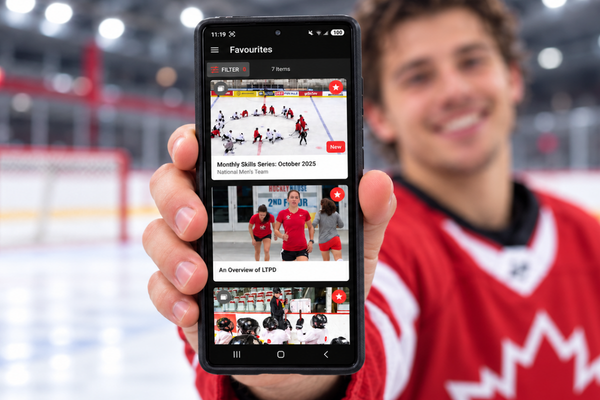
    Platforms like the Ascend Sports Coaching App are designed with this goal in mind, giving coaches a centralized space to manage schedules, share resources, organize training content, and keep families informed without relying solely on crowded group chats. By reducing communication clutter, coaches can spend less time managing messages and more time doing what matters most on the field.

  • Equipping Coaches for Success: The Systems, Tech Tools, and Templates That Matter

    Equipping Coaches for Success: The Systems, Tech Tools, and Templates That Matter

    What separates great coaching organizations from good ones?

    It’s not just talent or facilities. And it’s not even experience. Often, the difference comes down to support.

    Many coaches enter their roles with passion, knowledge, and a desire to help athletes succeed. Yet too often, they’re left to create everything from scratch. Starting with practice plans, communication systems, development pathways, and administrative processes. The result is inconsistency, duplicated effort, and missed opportunities for athlete development.

    The strongest coaching organizations recognize that coaches perform better when they have access to shared resources and collaborative support. Just as athletes benefit from structure, coaches do too.

    That’s why every modern sports program needs a coaching toolkit: a collection of resources, templates, frameworks, and tools that help coaches focus less on administration and more on developing athletes.

    Practice Planning Resources

    Few responsibilities have a greater impact on athlete development than practice design.

    Well-structured practices maximize learning, engagement, and skill development. Poorly planned sessions can waste valuable time and leave athletes frustrated or disengaged.

    Rather than expecting every coach to create practice plans independently, organizations should provide a library of resources that coaches can adapt to their team’s needs.

    These resources may include:

    • Sample practice plans
    • Age-specific training sessions
    • Skill progression guides
    • Seasonal development pathways
    • Drill libraries
    • Session evaluation templates

    Providing these resources helps establish consistency across the organization while still allowing coaches flexibility and creativity.

    It also reduces the burden on new coaches, helping them gain confidence more quickly.

    When coaches spend less time reinventing practice structures, they can spend more time focusing on athlete development and relationship building.

    Communication Templates

    Communication is one of the most important coaching skills, but it is often one of the least supported.

    Coaches regularly communicate with athletes, parents, administrators, and fellow coaches. Without clear systems, messages can become inconsistent, unclear, or easily forgotten.

    Simple communication templates can significantly improve efficiency and professionalism.

    Examples include:

    • Season welcome letters
    • Parent meeting agendas
    • Weekly team updates
    • Game-day reminders
    • Athlete development reviews
    • End-of-season surveys

    Templates don’t replace authentic communication. Instead, they provide a foundation that coaches can customize while ensuring important information is consistently shared.

    Clear communication also helps create trust. Parents understand expectations, athletes know what success looks like, and coaches spend less time responding to preventable questions.

    Over time, these small improvements contribute to a stronger and more connected sporting environment.

    Coaching Frameworks

    Great coaching is about more than drills and tactics.

    The most effective organizations create a shared coaching philosophy that guides how coaches teach, communicate, and develop athletes.

    This is where coaching frameworks become valuable.

    A coaching framework provides structure around key principles such as:

    • Athlete-centered coaching
    • Positive feedback techniques
    • Long-term athlete development
    • Goal-setting processes
    • Leadership development
    • Performance review systems

    Without a shared framework, athletes may receive vastly different experiences depending on which coach they encounter.

    One coach may prioritize development while another focuses solely on results. One may emphasize communication and accountability while another may not.

    A framework helps create alignment.

    It ensures that regardless of team, age group, or coach, athletes experience consistent values and developmental standards throughout the organization.

    For new coaches, frameworks also provide clarity. Rather than guessing what good coaching looks like, they have a roadmap to follow and refine over time.

    Digital Tools That Improve Collaboration

    Coaching can often feel isolated. Even within large organizations, coaches may work independently, rarely sharing ideas, resources, or lessons learned.

    Digital tools are helping change that.

    Modern coaching platforms allow coaches to collaborate more effectively by creating centralized spaces where resources, plans, and best practices can be shared.

    Instead of searching through emails, folders, and documents, coaches can quickly access the information they need and contribute their own insights to the broader coaching community.

    Effective digital tools can support:

    • Resource sharing
    • Practice planning
    • Coach education
    • Team communication
    • Goal tracking
    • Professional development
    • Organizational alignment

    The benefits extend beyond convenience.

    Organizations looking to strengthen coach development should consider how easily coaches can access and share the resources they need. Platforms like the Ascend Sports Coaching App can help centralize coaching materials, streamline collaboration, and create a shared space for learning across an entire coaching community. By making knowledge easier to access and share, organizations can build stronger coaches and ultimately create better experiences for athletes.

    Building a Culture of Continuous Improvement

    The best coaching organizations understand that coach development never stops.

    Just as athletes are expected to learn and improve, coaches should have access to ongoing opportunities for growth.

    A modern coaching toolkit is not simply a collection of documents. It is a commitment to continuous improvement.

    It reflects an organization’s belief that coaches deserve support, guidance, and resources that help them succeed.

    When practice plans, communication tools, coaching frameworks, and collaboration systems are readily available, coaches spend less time solving administrative problems and more time focusing on what matters most: helping athletes grow.