From breakthrough wins to another step towards history, here’s a look at October sporting moments that caught our attention.
𝐊𝐢𝐩𝐜𝐡𝐨𝐠𝐞 𝐰𝐢𝐧𝐬 𝐚𝐭 𝟒𝟏
Eliud Kipchoge claimed the Melbourne Marathon title in a course-record 2:09:10 on October 11. His first marathon victory in three years.
𝐀𝐧𝐭𝐨𝐧𝐞𝐥𝐥𝐢 𝐞𝐝𝐠𝐞𝐬 𝐜𝐥𝐨𝐬𝐞𝐫 𝐭𝐨 𝐡𝐢𝐬𝐭𝐨𝐫𝐲
Kimi Antonelli’s 14th podium finish of the season in Singapore on October 11 put him within reach of becoming Formula One’s youngest world champion.
𝐂𝐚𝐧𝐚𝐝𝐚’𝐬 𝐧𝐞𝐱𝐭 𝐠𝐞𝐧𝐞𝐫𝐚𝐭𝐢𝐨𝐧 𝐦𝐚𝐤𝐞𝐬 𝐢𝐭𝐬 𝐦𝐚𝐫𝐤
Canada secured two top-10 finishes in ice dance at the Junior Grand Prix in Slovenia. Charlie Anderson and Cayden Dawson placed seventh, while Annabelle Théroux and Rafaël Gossard took ninth in their debut at the event.
𝐇𝐮𝐫𝐤𝐚𝐜𝐳 𝐠𝐞𝐭𝐬 𝐡𝐢𝐬 𝐛𝐫𝐞𝐚𝐤𝐭𝐡𝐫𝐨𝐮𝐠𝐡 𝐚𝐠𝐚𝐢𝐧𝐬𝐭 𝐃𝐣𝐨𝐤𝐨𝐯𝐢𝐜
Hubert Hurkacz defeated Novak Djokovic for the first time on October 9, winning 6–4, 6–3 in the second round of the Shanghai Masters.
𝐑𝐨𝐧𝐚𝐥𝐝𝐨 𝐡𝐞𝐥𝐩𝐬 𝐀𝐥-𝐍𝐚𝐬𝐬𝐫 𝐬𝐞𝐜𝐮𝐫𝐞 𝐯𝐢𝐜𝐭𝐨𝐫𝐲
Cristiano Ronaldo scored as Al-Nassr beat Uzbekistan’s Neftchi 3–1 in the AFC Champions League Elite on October 12.
Which sporting moment caught your attention?
Inspired by the highlights? Bring fresh ideas to your next practice with Ascend.
Tag: goals
-

Global Sports Highlights for October 2026
-
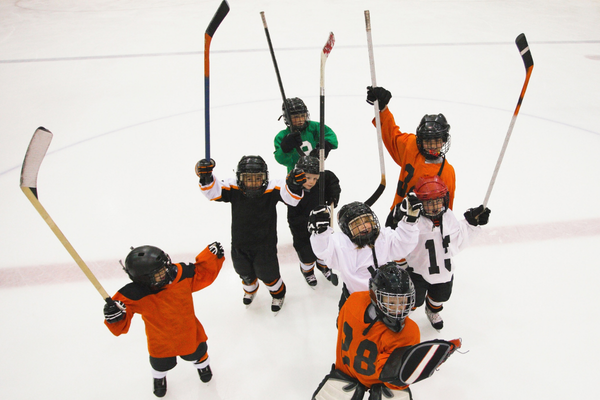
Let Them Try: Why Sampling Different Sports Matters
Choosing a sport can feel like an important decision for a young athlete and their family. With competitive leagues, development programs, scholarships, and professional pathways often receiving attention, there can be pressure to identify the “right” sport as early as possible.
However, young athletes do not always know what suits them after a single season. They may need time to explore different environments, learn new skills, and understand what genuinely excites them. Sampling several sports before specializing gives them the freedom to discover where they feel most motivated, capable, and connected.
Discovering Genuine Interest
A young athlete may initially choose a sport because friends are playing, a family member enjoys it, or a famous athlete has inspired them. These are perfectly good reasons to begin, but they do not necessarily indicate a lasting passion.
Trying different sports allows young athletes to compare experiences. One may enjoy the constant movement and teamwork of soccer, while another may prefer the individual focus of swimming. Some may thrive in fast-paced competition, while others feel more engaged in sports that reward patience, precision, or strategy.
The goal is not to immediately find the sport in which they perform best. It is to notice which activity makes them eager to return. Genuine enthusiasm often appears in simple ways: talking about practice afterward, wanting to improve a skill, or continuing to play without being reminded.
Building a Wider Range of Skills
Different sports develop different physical and mental abilities. Basketball can strengthen coordination, spatial awareness, and quick decision-making. Gymnastics can build balance and body control. Swimming supports endurance, while martial arts may develop concentration, discipline, and confidence.
When young athletes participate in several activities, they build a broader athletic foundation. Skills learned in one sport may also transfer to another. Agility developed through soccer may help on a tennis court, while the timing learned in volleyball may support future success in basketball.
Variety also encourages adaptability. Young athletes learn how to respond to different coaches, teammates, rules, and competitive situations. These experiences can make them more versatile and confident when they eventually decide to focus on one sport.
Reducing Pressure and Burnout
Specializing too soon can sometimes turn an enjoyable activity into an obligation. Repeating the same training schedule throughout the year may lead to mental fatigue, declining motivation, or frustration when progress slows.
Sampling sports gives young athletes room to refresh their interest. A different season introduces new challenges and allows heavily used movement patterns to rest. It can also remind them that sport is not only about rankings, selection, or future opportunities. It is also about play, friendship, curiosity, and personal growth.
Parents and coaches can support this process by asking open questions. Instead of focusing only on scores or results, they might ask:
- What did you enjoy most today?
- What skill would you like to learn next?
- Did you feel comfortable with your coach and teammates?
- Would you choose to play this sport again?
The answers can reveal more than a win-loss record.
Knowing When Specialization Makes Sense
Sampling does not mean avoiding commitment forever. As young athletes mature, some will naturally develop a strong preference. They may begin requesting additional practice, seeking more advanced coaching, or setting personal goals within a particular sport.
At that point, specialization can become a thoughtful next step rather than a decision made for them. Families should consider not only ability, but also motivation, physical readiness, coaching quality, time demands, costs, and the athlete’s overall well-being.
A possible career should be approached as a pathway, not a promise. Professional competition is only one future within sport. Experience can also lead toward coaching, officiating, athletic therapy, sports science, management, media, or community development. The lessons gained through participation remain valuable even when the original goal changes.
Supporting Every Stage with Ascend
As young athletes explore different sports, clear communication and organized development can help them understand their progress. Ascend gives coaches a central place to share training plans, instructional resources, feedback, and team updates. This makes it easier to create structured experiences while adapting support to each athlete’s changing interests and needs.
The right sport is not always the first one a young athlete tries, or even the one in which they win first. Sometimes the most meaningful beginning is simply having the freedom to step onto different fields, courts, tracks, and pools until one of them feels like a place worth returning to.
-
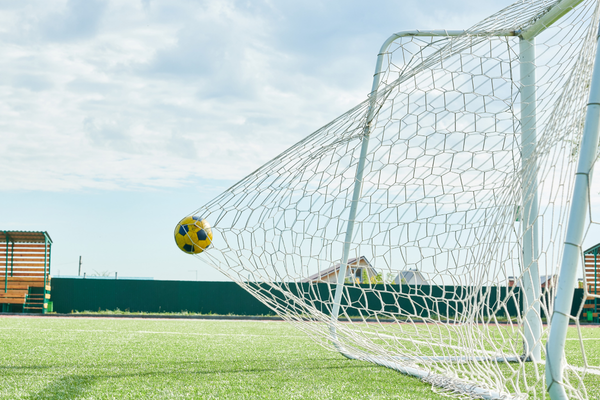
Skills Before Scoreboards: Why Long-Term Development Matters More Than Early Wins
On the final day of the season, the gym was filled with cheers as medals were handed out and a championship trophy was lifted into the air. Cameras flashed, families applauded, and teammates celebrated a season to remember.
A few feet away stood another team. They hadn’t won the championship. There were no medals around their necks and no trophy to carry home, yet something remarkable had happened over the past few months.
The young athlete who couldn’t catch a pass in the first week was now confidently making plays during games. The quiet player who rarely spoke had become one of the team’s strongest communicators. Another athlete, once discouraged by mistakes, had learned to shake them off and keep competing. No trophy recognized those achievements, but they were victories all the same.
In youth sports, it’s easy to believe that success is measured by the final score. Standings, medals, and championships naturally capture our attention because they’re easy to see. What often goes unnoticed are the countless small moments of growth that happen during every practice.
The truth is, very few athletes remember every game they won when they were ten years old. What they often remember instead is the coach who believed in them, the teammate who encouraged them, and the feeling of finally accomplishing something they once thought was impossible. That’s because skills stay with athletes long after trophies are packed away.
Strong Fundamentals Create Better Athletes
Every great athlete begins with the basics.
Whether it’s passing in soccer, shooting in basketball, skating in hockey, or proper body positioning in gymnastics, mastering the fundamentals creates confidence that carries into more advanced skills later on.
Skipping these essential steps in pursuit of quick victories may produce short-term success, but it can limit an athlete’s growth over time. Athletes with strong fundamentals adapt more easily, learn faster, and perform more consistently as competition becomes more challenging.
Coaches who emphasize skill development help prepare athletes not just for the next game, but for the next stage of their sporting journey.
Confidence Comes From Progress
One of the greatest rewards in youth sports is seeing athletes recognize their own improvement.
The first successful pass under pressure, the first time mastering a difficult movement, or the first practice where a new technique finally clicks, these moments often mean more than a medal because they represent personal growth.
When athletes see themselves improving, confidence grows naturally. Instead of fearing mistakes, they begin to see challenges as opportunities to learn.
This mindset creates resilient athletes who are motivated by progress rather than perfection.
Every Athlete Develops at Their Own Pace
It’s natural to compare athletes, especially during competitive seasons. However, development isn’t a race.
Some athletes experience rapid physical growth early, while others develop later. Some pick up technical skills quickly, while others excel because of determination and consistent practice.
The athlete who isn’t the strongest or fastest today may become the most well-rounded competitor in a few years because they developed strong habits, discipline, and a willingness to keep learning.
Coaches and parents play an important role in recognizing effort and improvement, not just outcomes.
Success Looks Different for Every Athlete
Not every young athlete will compete at an elite level, and that’s perfectly okay.
Sport teaches valuable life skills that extend well beyond the field, court, rink, or track. Discipline, resilience, communication, leadership, and teamwork become lifelong strengths regardless of whether an athlete earns a college scholarship or simply continues playing recreationally.
When success is measured by growth instead of trophies alone, every athlete has the opportunity to succeed.
Coaching for Long-Term Development
Great coaches understand that today’s practice shapes tomorrow’s athlete. Creating engaging training sessions, introducing age-appropriate progressions, and encouraging continuous improvement, coaches help athletes build skills that last long after the final whistle.
Having organized practice plans and easy access to quality coaching resources also makes it easier to focus on athlete development rather than administrative tasks. Digital coaching platforms like the Ascend Sports Coaching app support this process by helping coaches organize drills, training plans, and learning resources in one place, allowing more time to develop confident, capable athletes.
At the end of the season, trophies may gather dust on a shelf, but the skills, confidence, and love of sport that athletes develop can stay with them for a lifetime. By putting skills before trophies, coaches and parents help create not only better athletes, but stronger, more resilient people.