Tag: skill progression

  • From Coaching Binder to Digital Coaching Library — Part 1: Organize Before You Digitize

    From Coaching Binder to Digital Coaching Library — Part 1: Organize Before You Digitize

    For many coaches, the coaching binder is a record of years of experience. It might contain practice plans, drills, diagrams, notes from coaching clinics, athlete resources, and ideas you’ve collected along the way.

    But over time, that binder can become difficult to manage. Pages get buried, resources become outdated, and finding the right drill can mean flipping through dozens of pages.

    Moving your coaching resources to a digital app can make them easier to access and organize. But before you start uploading everything, take some time to decide what actually belongs in your digital coaching library.

    1. Start With an Inventory

    Go through your binder section by section and make a list of what you have.

    You might find:

    • Practice plans
    • Drills and activities
    • Skill-development exercises
    • Game strategies
    • Coaching notes
    • Training schedules
    • Diagrams
    • Athlete resources
    • Course materials
    • Reference materials

    Don’t worry about organizing everything perfectly yet. The first step is simply understanding what you’re working with.

    2. Decide What to Keep

    You probably don’t need to transfer every piece of paper.

    Separate your resources into three simple groups:

    Keep: Resources you regularly use or expect to use again.

    Update: Useful resources that need changes or improvements.

    Archive: Materials you want to keep for reference but don’t need regularly.

    This is a good opportunity to get rid of duplicates and outdated information. Otherwise, you may end up replacing one cluttered binder with a cluttered digital library.

    3. Organize Based on How You Coach

    Here’s where digital organization can really make a difference.

    Think about what you usually look for when you’re preparing a practice.

    Do you search by age group? Skill? Difficulty? Training objective? Amount of time available?

    Your digital library could be organized around categories such as:

    • Age group
    • Skill level
    • Skill or objective
    • Position
    • Training type
    • Difficulty
    • Duration
    • Equipment required

    For example, instead of filing a drill under a single category called “Passing Drills,” you could identify it as:

    Passing | Intermediate | U15 | 15 minutes | Skill Development

    Now you have several ways to find it later.

    4. Create a Simple Naming System

    Digital libraries are much easier to navigate when resources have clear, consistent names.

    Compare:

    “Drill 4”

    with:

    “Passing Accuracy – Intermediate – 15 min”

    The second name immediately tells you what you’re looking at.

    Your naming system doesn’t have to be complicated. Just make sure it is consistent enough that you and other coaches can understand it at a glance.

    5. Start With What You Use Most

    You don’t have to digitize your entire binder in one weekend.

    Start with the resources you reach for most often.

    Your first batch might include:

    • Your favorite drills
    • Current practice plans
    • Frequently used skill activities
    • Resources for your current team

    Once those are organized, you can gradually add the rest.

    This approach means your digital library becomes useful immediately, rather than becoming another project that never gets finished.

    Your Binder Is the Starting Point

    Going digital isn’t about throwing away everything you’ve collected over the years.

    Your binder represents your coaching experience. The goal is to turn that experience into a resource that’s easier to search, update, and reuse.

    Before you start transferring anything, take the time to clean up, categorize, and prioritize.

    Then you’re ready for the next step: turning those paper resources into useful digital content.

    Next in the series is our Part 2
    From Paper to App: How to Digitize Your Coaching Resources

  • Helping Young Athletes Stay Motivated When Progress Feels Slow

    Helping Young Athletes Stay Motivated When Progress Feels Slow

    For young athletes, progress can sometimes feel frustratingly slow. They may practice the same skill for weeks without seeing a dramatic improvement, lose a game they worked hard to prepare for, or watch teammates advance faster than they do. When results don’t match their effort, it’s easy for young athletes to wonder, “Am I actually getting better?”

    Coaches play an important role in helping athletes understand that development isn’t always obvious. Progress often happens gradually, through small improvements that may not show up on a scoreboard.

    Guide Athletes to Look Beyond the Results

    Wins, scores, rankings, and statistics can be useful measures of performance, but they don’t tell the whole story—especially for developing athletes.

    A young player may not score more goals yet, but they might be making better decisions, communicating more effectively, recovering faster after mistakes, or showing greater confidence during practice.

    Coaches can help athletes recognize these changes by asking questions such as:

    • What can you do now that you couldn’t do before?
    • What felt easier in today’s practice?
    • What did you learn from that game?
    • What is one thing you’d like to improve next?

    These conversations shift the focus from immediate results to continuous development.

    Celebrate the Small Wins

    When progress feels slow, small victories become especially important.

    Successfully completing a difficult drill, improving technique, staying focused through a challenging practice, or trying something new can all be meaningful signs of growth. Recognizing these moments helps young athletes see that their effort is producing results even if those results aren’t appearing on the scoreboard yet.

    Coaches and parents can reinforce this mindset by noticing and celebrating these small wins both during training and outside of competition. When young athletes hear consistent encouragement from the adults supporting them, they are more likely to recognize their own progress and stay motivated when improvement takes time.

    Celebrating small wins doesn’t mean lowering expectations. Instead, it helps athletes understand that big improvements are often built from many smaller ones.

    Teach Athletes That Development Isn’t Linear

    Young athletes can easily compare themselves to teammates or opponents who appear to be improving faster. Coaches can remind them that every athlete develops at a different pace.

    Some periods may bring rapid improvement, while others may feel like a plateau. A plateau doesn’t necessarily mean an athlete has stopped progressing. Sometimes skills are being reinforced before they become more consistent or automatic.

    Teaching athletes to expect these ups and downs can help them stay patient when progress isn’t immediately visible.

    Set Process-Based Goals

    Outcome goals, such as winning a tournament or scoring a certain number of points, can be motivating, but young athletes also benefit from goals they can directly control.

    Instead of focusing only on winning, coaches can encourage goals such as improving passing accuracy, communicating with teammates, maintaining proper technique, or making better decisions under pressure.

    Process-based goals give athletes something constructive to work toward during every practice and competition. They also make improvement easier to recognize.

    Make Effort Part of the Conversation

    Determination isn’t simply about working harder. For young athletes, it’s about learning how to respond when something is difficult.

    Coaches can reinforce qualities such as persistence, focus, curiosity, and willingness to learn. Praising these behaviors helps athletes understand that struggling with a skill doesn’t mean they’re failing, it means they’re still learning.

    Over time, this mindset can help young athletes become more comfortable with challenges and more confident in their ability to improve.

    Knowing When to Trust the Process

    Young athletes don’t always need to see immediate results to know they’re moving forward. They need coaches who can help them recognize the progress happening along the way.

    By looking beyond scores, celebrating small improvements, setting achievable process goals, and normalizing periods of slower development, coaches can help young athletes stay motivated and committed to their journey.

    Every athlete develops at a different pace. The goal isn’t to rush progress, it’s to create an environment where athletes can keep working, learning, and growing.

    Help Every Athlete Keep Moving Forward

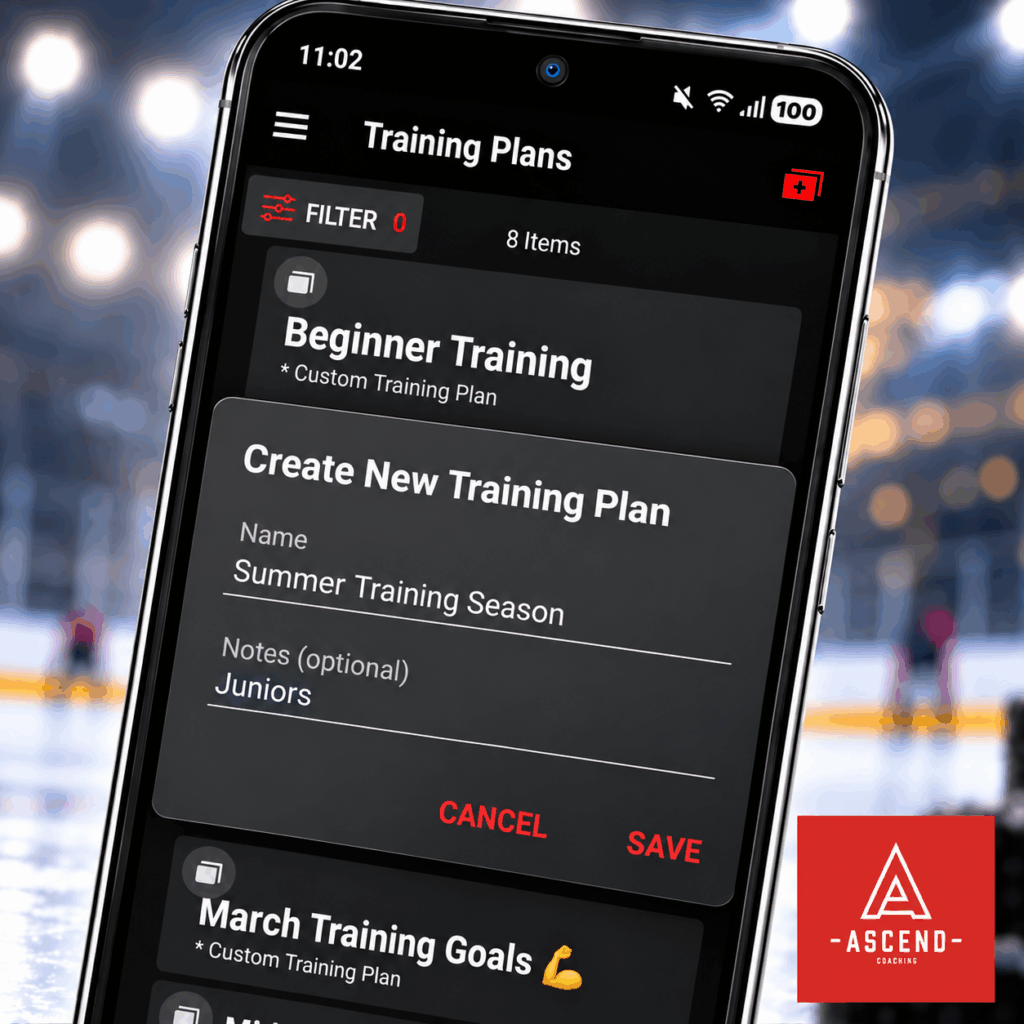
    Ascend gives coaches the tools to create structured, development-focused training experiences that help athletes build skills over time. With training plans, drills, video coaching, and resources designed to support athlete development, coaches can make progress more visible and keep young athletes engaged throughout their journey.

    The most important thing young athletes can learn is that progress is not always something they can see right away. Every practice, challenge, mistake, and small breakthrough contributes to their development. When coaches help athletes appreciate those moments, they begin to understand that improvement isn’t about becoming better overnight. It’s about continuing to show up, learn, and take the next step. With patience and encouragement, slow progress can become a powerful lesson in determination.

  • How to Adapt Training Plans for Different Skill Levels

    How to Adapt Training Plans for Different Skill Levels

    Walk onto almost any practice field, rink, court, or training facility and you’ll see a familiar coaching dilemma unfold. One athlete is encountering a skill for the very first time, concentrating on basic movements and instructions. Nearby, another is refining technique through repetition, while a more experienced athlete is searching for the smallest adjustment that could improve performance. They may be participating in the same session, but they are not on the same stage of their development journey.

    For coaches, this presents a persistent challenge. How do you create a training environment that supports beginners without holding back advanced athletes? How do you maintain engagement across a group with different levels of confidence, experience, and ability?

    The answer lies not in creating entirely separate programs for every individual, but in building training plans that are flexible enough to meet athletes where they are while providing a clear path forward.

    The most effective training plans recognize a simple reality: athletes develop at different rates and arrive with different needs. A one-size-fits-all approach may be easier to administer, but it often leaves some athletes overwhelmed and others underchallenged. By thoughtfully adjusting the complexity, intensity, and expectations of training activities, coaches can create meaningful learning experiences that support growth at every level.

    In this way, adapting a training plan becomes less about managing differences and more about unlocking potential. Ensuring that every athlete, regardless of where they begin, has the opportunity to progress toward their goals.

    Understanding Athlete Development Stages

    Before modifying a training plan, coaches must understand the current skill level of their athletes. Beginners are often focused on learning fundamental movements, understanding basic concepts, and building confidence. Intermediate athletes have developed core skills and are ready to refine techniques, improve consistency, and apply their knowledge in more challenging situations. Advanced athletes typically require higher levels of complexity, greater performance demands, and opportunities to master specialized skills.

    Recognizing these stages helps coaches deliver training that aligns with an athlete’s current abilities while creating a clear pathway for future development.

    Adapting Training for Beginners

    For novice athletes, simplicity is key. Training plans should emphasize foundational skills and provide opportunities for repetition and reinforcement. New athletes often benefit from clear instructions, demonstrations, and achievable goals that build confidence and encourage continued participation.

    Sessions should focus on mastering basic techniques before introducing advanced concepts. Coaches can break skills into smaller components, allowing athletes to learn one step at a time. Positive feedback and encouragement are especially important during this stage, helping athletes develop confidence and enjoyment in the learning process.

    Training plans for beginners should also prioritize variety and engagement. Keeping sessions enjoyable helps maintain motivation and creates a positive first experience in sport.

    Challenging Intermediate Athletes

    As athletes become more comfortable with foundational skills, training plans should gradually increase in complexity. Intermediate athletes benefit from activities that require decision-making, problem-solving, and the application of skills in realistic scenarios.

    At this stage, coaches can introduce more advanced drills, tactical concepts, and performance objectives. Training sessions may include greater intensity, increased competition, and opportunities for athletes to analyze and improve their own performance.

    Intermediate athletes often experience rapid growth when challenged appropriately. Training plans should encourage them to move beyond basic competence and focus on consistency, adaptability, and execution under pressure.

    Supporting Advanced Performance

    Advanced athletes require training plans that push them toward mastery. These athletes have already developed strong technical foundations and need opportunities to refine details that can significantly impact performance.

    For advanced participants, training plans should include higher-intensity activities, sport-specific scenarios, and specialized skill development. Coaches can introduce complex challenges that simulate competitive environments and demand quick decision-making.

    Individualization becomes increasingly important at this level. Advanced athletes may have unique strengths, weaknesses, and performance goals that require tailored modifications within the broader training plan. Regular performance assessments and feedback can help ensure training remains relevant and effective.

    Using Progression to Connect All Levels

    A successful training plan creates a progression pathway that allows athletes to move naturally from one skill level to the next. Rather than treating skill levels as separate groups, coaches can design activities with multiple levels of difficulty.

    For example, a single drill can include a simplified version for beginners, additional challenges for intermediate athletes, and advanced variations for experienced performers. This approach keeps athletes engaged while maintaining consistency across the training environment.

    Progressive training also allows athletes to experience success while continuously working toward new challenges. As skills improve, coaches can gradually increase complexity, intensity, and performance expectations.

    Creating an Inclusive Learning Environment

    Effective training plans recognize that athlete development is not always linear. Individuals learn at different rates, and progress may vary depending on experience, confidence, and personal circumstances.

    By adapting training plans to accommodate different skill levels, coaches create an environment where every athlete has the opportunity to succeed. Beginners gain confidence, intermediate athletes continue to develop, and advanced performers remain challenged and motivated.

    Tailoring Training for Maximum Growth

    As coaching continues to become more connected and accessible, digital tools are making it easier to organize and deliver training experiences. Platforms such as Ascend allow coaches to build structured training plans, access coaching resources, and manage development pathways in a way that keeps athletes engaged and progressing. Rather than replacing the coach’s expertise, these tools help streamline the planning process, allowing coaches to spend more time on developing athletes.

    At its core, great coaching is about creating opportunities for growth. Whether working with a beginner learning the fundamentals or an experienced athlete striving for excellence, the goal remains the same: to provide the right challenge at the right time. When training plans are designed with that principle in mind, they become more than schedules or collections of drills. They become roadmaps that help athletes build confidence, develop skills, and achieve their full potential.
  • Skills Before Scoreboards: Why Long-Term Development Matters More Than Early Wins

    Skills Before Scoreboards: Why Long-Term Development Matters More Than Early Wins

    On the final day of the season, the gym was filled with cheers as medals were handed out and a championship trophy was lifted into the air. Cameras flashed, families applauded, and teammates celebrated a season to remember.

    A few feet away stood another team. They hadn’t won the championship. There were no medals around their necks and no trophy to carry home, yet something remarkable had happened over the past few months.

    The young athlete who couldn’t catch a pass in the first week was now confidently making plays during games. The quiet player who rarely spoke had become one of the team’s strongest communicators. Another athlete, once discouraged by mistakes, had learned to shake them off and keep competing. No trophy recognized those achievements, but they were victories all the same.

    In youth sports, it’s easy to believe that success is measured by the final score. Standings, medals, and championships naturally capture our attention because they’re easy to see. What often goes unnoticed are the countless small moments of growth that happen during every practice.

    The truth is, very few athletes remember every game they won when they were ten years old. What they often remember instead is the coach who believed in them, the teammate who encouraged them, and the feeling of finally accomplishing something they once thought was impossible. That’s because skills stay with athletes long after trophies are packed away.

    Strong Fundamentals Create Better Athletes

    Every great athlete begins with the basics.

    Whether it’s passing in soccer, shooting in basketball, skating in hockey, or proper body positioning in gymnastics, mastering the fundamentals creates confidence that carries into more advanced skills later on.

    Skipping these essential steps in pursuit of quick victories may produce short-term success, but it can limit an athlete’s growth over time. Athletes with strong fundamentals adapt more easily, learn faster, and perform more consistently as competition becomes more challenging.

    Coaches who emphasize skill development help prepare athletes not just for the next game, but for the next stage of their sporting journey.

    Confidence Comes From Progress

    One of the greatest rewards in youth sports is seeing athletes recognize their own improvement.

    The first successful pass under pressure, the first time mastering a difficult movement, or the first practice where a new technique finally clicks, these moments often mean more than a medal because they represent personal growth.

    When athletes see themselves improving, confidence grows naturally. Instead of fearing mistakes, they begin to see challenges as opportunities to learn.

    This mindset creates resilient athletes who are motivated by progress rather than perfection.

    Every Athlete Develops at Their Own Pace

    It’s natural to compare athletes, especially during competitive seasons. However, development isn’t a race.

    Some athletes experience rapid physical growth early, while others develop later. Some pick up technical skills quickly, while others excel because of determination and consistent practice.

    The athlete who isn’t the strongest or fastest today may become the most well-rounded competitor in a few years because they developed strong habits, discipline, and a willingness to keep learning.

    Coaches and parents play an important role in recognizing effort and improvement, not just outcomes.

    Success Looks Different for Every Athlete

    Not every young athlete will compete at an elite level, and that’s perfectly okay.

    Sport teaches valuable life skills that extend well beyond the field, court, rink, or track. Discipline, resilience, communication, leadership, and teamwork become lifelong strengths regardless of whether an athlete earns a college scholarship or simply continues playing recreationally.

    When success is measured by growth instead of trophies alone, every athlete has the opportunity to succeed.

    Coaching for Long-Term Development

    Great coaches understand that today’s practice shapes tomorrow’s athlete. Creating engaging training sessions, introducing age-appropriate progressions, and encouraging continuous improvement, coaches help athletes build skills that last long after the final whistle.

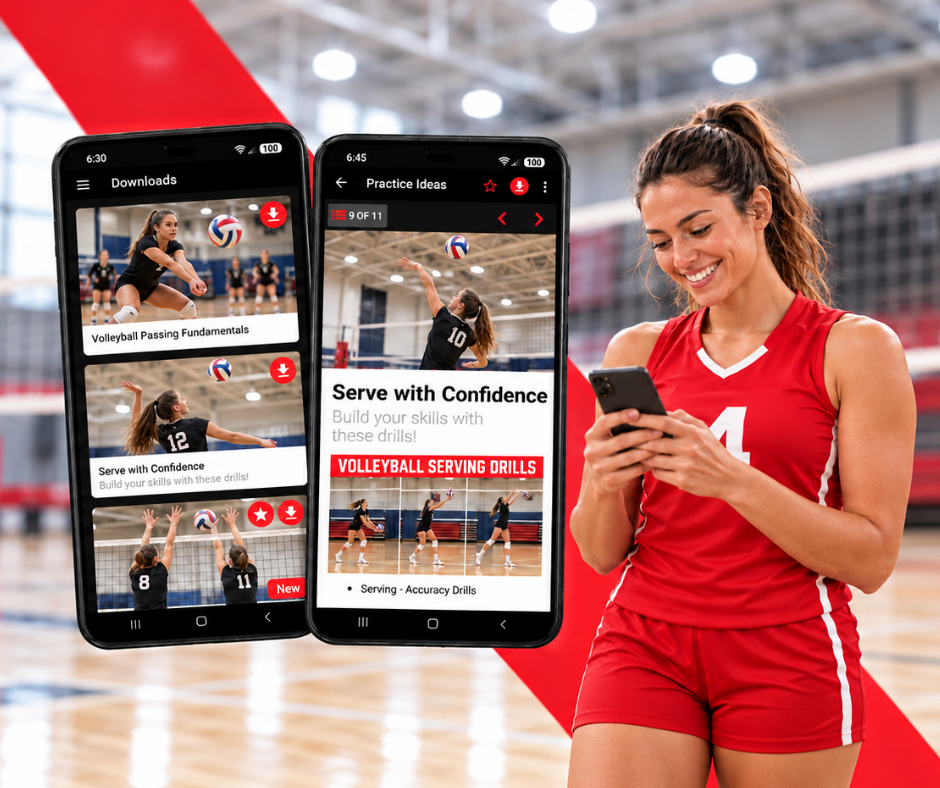
    Having organized practice plans and easy access to quality coaching resources also makes it easier to focus on athlete development rather than administrative tasks. Digital coaching platforms like the Ascend Sports Coaching app support this process by helping coaches organize drills, training plans, and learning resources in one place, allowing more time to develop confident, capable athletes.

    At the end of the season, trophies may gather dust on a shelf, but the skills, confidence, and love of sport that athletes develop can stay with them for a lifetime. By putting skills before trophies, coaches and parents help create not only better athletes, but stronger, more resilient people.

  • Parents and Coaches: Building a Winning Partnership

    Parents and Coaches: Building a Winning Partnership

    Behind every young athlete is a team of supporters working toward the same goal. While coaches provide instruction and mentorship on the field, parents offer encouragement, stability, and motivation at home.

    When these two groups work together, young athletes benefit from a consistent, positive environment that supports both athletic and personal growth.

    Strong partnerships between parents and coaches are built on trust, communication, and shared expectations. They create an atmosphere where athletes feel supported rather than pulled in different directions, allowing them to focus on learning, developing new skills, and enjoying the sport they love.

    Putting the Athlete First

    The most successful parent-coach relationships begin with one simple principle: the athlete’s well-being comes first.

    Although parents and coaches may have different roles, they share a common objective which is to help young athletes grow in confidence, develop their abilities, and enjoy the experience of participating in sports.

    Keeping this shared purpose at the center of every conversation makes it easier to navigate challenges, whether it’s concerns about playing time, skill development, or competition schedules.

    When adults prioritize the athlete instead of personal expectations, decisions become more collaborative and productive.

    Building Trust Through Open Communication

    Trust doesn’t happen automatically. It develops through honest, respectful communication over time.

    Coaches should clearly communicate team expectations, practice schedules, goals, and coaching philosophies at the beginning of the season. Parents, in turn, can support this process by asking questions respectfully, sharing relevant information about their child, and addressing concerns privately rather than during games or practices.

    Regular communication helps prevent misunderstandings before they become larger issues. It also reassures families that coaches are invested in each athlete’s development and not just their performance during competition.

    Listening is just as important as speaking. When parents and coaches take the time to understand each other’s perspectives, they build stronger relationships based on mutual respect.

    Supporting Consistent Messages

    Young athletes benefit when the adults in their lives reinforce the same values.

    If coaches emphasize teamwork, resilience, and continuous improvement, parents can strengthen those lessons by encouraging similar attitudes at home. Instead of focusing solely on wins or statistics, conversations can celebrate effort, sportsmanship, personal growth, and learning from challenges.

    Consistency creates confidence. When athletes receive similar messages from both coaches and parents, they are less likely to feel confused or pressured by conflicting expectations.

    This unified approach helps children develop healthy habits that extend beyond sport.

    Respecting Each Role

    A successful partnership also requires understanding where each role begins and ends.

    Coaches bring technical expertise, plan practices, and make decisions that support the team’s overall development. Parents provide emotional support, encourage healthy routines, and help children maintain a positive perspective throughout the season.

    While it’s natural for parents to want the best for their child, avoiding the role of a “second coach” can reduce unnecessary pressure and confusion. Likewise, coaches who remain approachable and transparent create an environment where parents feel comfortable asking questions and supporting the team’s goals.

    Respect for each other’s responsibilities creates a stronger foundation for everyone involved.

    Technology Can Strengthen Communication

    As teams grow and schedules become busier, staying connected can become more challenging. Practice changes, tournament updates, training resources, and important announcements can easily become lost in email threads or group messages.

    Digital coaching platforms help simplify communication by providing one central place for coaches and families to stay informed. Parents can view schedules, receive team updates, access training resources, and better understand what athletes are working on throughout the season.

    This level of transparency helps reduce confusion while allowing parents to reinforce learning and preparation at home. Instead of wondering what comes next, families can stay connected to their child’s athletic journey with greater confidence.

    Trust that digital platforms like Ascend support this collaboration by helping coaches organize communication, share practice plans and development resources, and keep athletes and parents connected throughout the season—all within a single, easy-to-use platform.

    A Partnership That Lasts Beyond the Season

    The relationship between parents and coaches is about much more than managing practices or preparing for games. Together, they help shape the experiences that young athletes will remember long after the season ends.

    When trust, communication, and shared goals guide that partnership, athletes feel supported in every environment. They become more confident in taking on challenges, more resilient in the face of setbacks, and more likely to develop a lifelong love of sport.

    Winning games is always rewarding, but the strongest partnerships create something even more valuable: confident young people who know they have a team of adults working together to help them succeed. Both on and off the field.

  • Creating Practice Environments Where Everyone Can Thrive

    Creating Practice Environments Where Everyone Can Thrive

    Every athlete arrives at practice with a unique combination of experience, ability, confidence, and motivation. Some are stepping onto the field for the very first time, while others are refining advanced skills in pursuit of higher levels of competition. One of the greatest responsibilities—and opportunities—for coaches is creating an environment where every athlete feels challenged, supported, and valued.

    Inclusive coaching isn’t about lowering standards or treating every athlete the same. It’s about recognizing individual needs and providing opportunities for everyone to learn, improve, and contribute to the team’s success.

    When practices are intentionally designed to include athletes of all skill levels, coaches build stronger teams, improve athlete retention, and create experiences that foster a lifelong love of sport.

    Start with a Culture of Belonging

    An inclusive practice begins long before the first drill. It starts with the culture a coach establishes.

    Athletes who feel respected and accepted are more likely to take risks, ask questions, and recover from mistakes. Coaches can cultivate this environment by encouraging effort over perfection, celebrating progress, and reinforcing that every athlete has something valuable to contribute.

    Simple habits—learning every athlete’s name, encouraging teammates to support one another, and acknowledging individual improvements—can make a significant impact on confidence and engagement.

    When athletes know they belong, they become more willing to embrace challenges and continue developing their skills.

    Design Drills with Multiple Levels of Success

    One-size-fits-all practices often leave beginners feeling overwhelmed while advanced athletes become under-challenged.

    Instead, coaches can modify drills to accommodate different experience levels without separating athletes into rigid groups. A passing drill, for example, can include varying distances, movement patterns, or progression options that allow athletes to participate at an appropriate level while still working toward the same objective.

    Providing multiple ways to achieve success keeps everyone engaged and allows athletes to experience meaningful improvement throughout the season.

    This approach also encourages peer learning, where experienced athletes naturally model techniques and leadership for newer teammates.

    Focus on Growth Rather Than Comparison

    Competition has an important place in sport, but constant comparison can discourage athletes who are still developing.

    Instead of measuring success solely by wins or rankings, coaches can emphasize personal growth. Celebrating improvements in effort, consistency, decision-making, and teamwork helps athletes understand that progress is individual and continuous.

    Athletes who see improvement in themselves are often more motivated than those who feel pressured to keep up with others.

    By reinforcing a growth mindset, coaches create an environment where mistakes become valuable learning opportunities rather than reasons to lose confidence.

    Build Flexible Training Plans with Digital Coaching Tools

    Creating inclusive practices becomes much easier when coaches have a structured plan that can be adapted for different athletes.

    Digital coaching platforms allow coaches to organize drills, practice plans, and instructional resources in one place while making it easier to tailor sessions for athletes with varying skill levels. Coaches can prepare progressions in advance, group activities by age or ability, and adjust training sessions as athletes develop throughout the season.

    Having access to digital practice plans also creates greater consistency across coaching staff. Whether working with assistant coaches or multiple teams within a club, everyone can follow the same coaching philosophy while adapting sessions to meet individual needs.

    Many coaching platforms also make it easier to share training materials, instructional videos, and practice notes with athletes and parents. This helps reinforce learning beyond scheduled practices and gives athletes the opportunity to review concepts at their own pace.

    When practice planning becomes more organized, coaches spend less time managing logistics and more time doing what matters most—teaching and connecting with athletes.

    Encourage Every Athlete to Lead

    Leadership opportunities should extend beyond team captains.

    Inviting different athletes to demonstrate drills, lead warm-ups, or mentor teammates builds confidence across the entire roster. These small responsibilities help athletes develop communication skills, accountability, and a stronger sense of belonging.

    Athletes who may not always stand out on the scoreboard often become exceptional leaders through encouragement, teamwork, and consistency.

    Inclusive coaching recognizes these contributions as equally valuable to a team’s overall success.

    Creating Better Experiences for Every Athlete

    The most successful practices are not necessarily the most intense—they are the ones where every athlete leaves feeling challenged, encouraged, and excited to return.

    By building inclusive environments, adapting instruction for different skill levels, and focusing on individual growth, coaches help athletes develop confidence alongside technical ability. These experiences strengthen teams, improve long-term participation, and create positive memories that extend well beyond the final whistle.

    Modern coaching tools can further support this approach by helping coaches organize flexible training plans, share resources, and deliver consistent instruction throughout the season. Platforms like Ascend make it easier to manage practices, collaborate with coaching staff, and keep athletes engaged both on and off the field—allowing coaches to spend more time developing people, not just players.

  • Why Every Young Athlete Needs a Clear Development Pathway

    Why Every Young Athlete Needs a Clear Development Pathway

    Every young athlete dreams of improving. Whether it’s making the starting lineup, mastering a new skill, or eventually competing at a higher level, progress is what keeps athletes motivated to return to practice day after day.

    But improvement doesn’t happen by chance.

    The most successful sports programs don’t rely on random drills or week-to-week planning. Instead, they provide athletes with a clear, structured pathway that guides development over months and years. When young athletes understand where they are, what they’re working toward, and how each practice contributes to their growth, they become more confident, engaged, and motivated to keep learning.

    This is why athlete development pathways have become an essential part of modern coaching.

    What Is an Athlete Development Pathway?

    An athlete development pathway is a structured roadmap that outlines how athletes progress from learning fundamental skills to performing more advanced techniques over time.

    Rather than expecting every athlete to develop at the same pace, these pathways organize learning into manageable stages. Each stage introduces age-appropriate skills, tactical concepts, and performance goals that build upon previous achievements.

    This step-by-step approach creates consistency while allowing athletes to experience success throughout their journey.

    Instead of asking, “Am I good enough?” athletes begin asking, “What’s the next skill I need to learn?”

    That shift in mindset encourages continuous improvement rather than comparison with teammates.

    Building Confidence Through Visible Progress

    One of the biggest challenges in youth sports is that improvement isn’t always obvious.

    An athlete may be working harder than ever but still feel discouraged because they aren’t scoring more goals or winning more races. Without visible milestones, it’s easy for motivation to decline.

    Development pathways solve this problem by breaking larger goals into smaller, achievable steps.

    Learning a new passing technique, improving footwork, mastering tactical positioning, or increasing decision-making under pressure all become meaningful accomplishments worth celebrating.

    As athletes complete each stage, they gain confidence—not because someone tells them they’re improving, but because they can clearly see their own progress.

    Small victories often become the foundation for long-term success.

    Helping Coaches Deliver Consistent Development

    Structured pathways don’t just benefit athletes—they make coaching more effective.

    Without a clear framework, practice planning can become reactive. Coaches may repeat familiar drills or focus only on preparing for the next game without considering long-term development.

    Development pathways provide direction.

    Coaches know which skills should be introduced first, which concepts should be reinforced, and when athletes are ready for more advanced challenges. This creates greater consistency across practices, teams, and even entire organizations.

    When assistant coaches and multiple age groups follow the same developmental philosophy, athletes experience a smoother transition as they progress through the program.

    The result is a more unified coaching experience and stronger athlete development over time.

    Why Digital Coaching Tools Are Changing Athlete Development

    As sports organizations grow, managing development pathways with paper binders, spreadsheets, or scattered documents becomes increasingly difficult.

    Digital coaching platforms have transformed how coaches organize and deliver athlete development.

    Training plans, instructional videos, skill progressions, assessments, and season schedules can all be stored in one place, making it easier for coaches to deliver consistent instruction while giving athletes and parents access to the resources they need.

    Instead of wondering what comes next, athletes can revisit drills, review coaching materials, and continue learning between practices.

    For organizations with multiple teams and coaches, digital platforms also help ensure every athlete is following the same long-term development philosophy regardless of who is leading a particular session.

    This consistency strengthens both coaching quality and the athlete experience.

    Building a Culture of Continuous Growth

    Perhaps the greatest benefit of a development pathway is the mindset it creates.

    When progress is measured through learning instead of comparison, athletes become more willing to embrace challenges. Mistakes become part of the process rather than signs of failure.

    Coaches spend less time chasing short-term results and more time developing confident, capable athletes.

    Parents gain a clearer understanding of their child’s journey.

    Most importantly, young athletes begin to appreciate that meaningful growth takes time, patience, and consistent effort.

    Those lessons extend far beyond sport.

    A Roadmap for Long-Term Success

    Every practice should move athletes one step closer to their potential.

    Clear development pathways provide direction, consistency, and purpose for everyone involved—from coaches and athletes to parents and sports organizations. They transform individual practices into connected learning experiences that build skills progressively throughout an athlete’s journey.

    Modern coaching platforms make creating and managing these pathways easier than ever. With Ascend, coaches can organize progressive training plans, build tiered athlete development pathways, share instructional resources, and keep athletes and families connected throughout the season.

    Because when athletes can clearly see the path ahead, they’re more confident taking the next step—and the one after that.

  • How Youth Sports Build Life Skills Beyond the Game

    How Youth Sports Build Life Skills Beyond the Game

    For many young athletes, sports begin with learning the fundamentals such as how to pass, shoot, run, or skate. But the greatest lessons often have little to do with the scoreboard.

    Long after the final whistle, the experiences gained through youth sports continue to shape how young people approach school, relationships, careers, and everyday challenges. From learning to work with others to overcoming setbacks, youth sports provide opportunities to develop valuable life skills that extend far beyond the game. Coaches, parents, and sports organizations all play an important role in creating environments where these lessons can flourish.

    Leadership Begins with Everyday Actions

    Leadership isn’t reserved for team captains or the most experienced athletes. Every player has opportunities to lead through their actions.

    Helping a teammate after a difficult moment, encouraging others during practice, arriving prepared, or setting a positive example all demonstrate leadership. These everyday behaviors build confidence while teaching young athletes that leadership is about service, responsibility, and influence. Not simply holding a title.

    When coaches encourage every athlete to contribute, they create teams where leadership is shared and everyone feels valued.

    Teamwork Creates Stronger Individuals

    Success in sports rarely comes from individual talent alone. Athletes quickly learn that communication, trust, and cooperation are essential to achieving common goals.

    Working as part of a team teaches athletes to listen to different perspectives, support one another through challenges, and celebrate shared successes. It also helps them understand that everyone has unique strengths to contribute.

    These experiences prepare young people for future workplaces, classrooms, and communities where collaboration is an essential skill.

    Accountability Builds Character

    One of the most valuable lessons youth sports teach is accountability.

    Athletes learn that their preparation, effort, and attitude directly affect both their own performance and the success of the team. Showing up on time, practicing consistently, and accepting responsibility after mistakes all reinforce habits that carry into adulthood.

    Importantly, accountability is not about assigning blame. It’s about recognizing that growth begins with taking ownership and learning from experience.

    When coaches model accountability themselves, athletes learn that responsibility is a sign of maturity and leadership.

    Perseverance Through Challenges

    Every athlete encounters obstacles. Injuries, difficult opponents, disappointing losses, and periods of slow improvement are all part of the journey.

    Learning to persevere through these moments helps young athletes develop resilience. They begin to understand that meaningful progress often requires patience, consistency, and determination.

    Rather than fearing setbacks, athletes who develop perseverance learn to view challenges as opportunities to improve.

    This mindset becomes valuable far beyond sport, helping young people navigate academic pressures, career goals, and personal challenges throughout life.

    Coaches Shape More Than Athletes

    The influence of a coach extends well beyond teaching technical skills. By creating supportive environments where effort is recognized, mistakes become learning opportunities, and teamwork is celebrated, coaches help develop confident, capable young people.

    Every practice offers a chance to reinforce values that athletes will carry long after their playing days are over.

    Parents also play an important role by encouraging growth, celebrating effort, and supporting their child’s development regardless of the outcome of a game.

    When coaches and families work together, youth sports become a powerful classroom for life.

    Supporting Growth On and Off the Field

    Helping young athletes develop life skills requires consistency, communication, and thoughtful planning throughout the season.

    Digital coaching platforms can make this easier by organizing practice plans, sharing team updates, and keeping athletes and families connected between training sessions. With clear expectations and accessible resources, coaches can spend less time managing logistics and more time mentoring the people behind the players.

    Platforms like Ascend help coaches organize training, communicate with teams, and support athlete development in one place. Thus, making it easier to create positive sporting experiences that extend well beyond the game.

    While trophies may eventually collect dust, the lessons learned through youth sports endure. Leadership, teamwork, accountability, and perseverance are qualities that shape not only better athletes but stronger students, coworkers, community members, and future leaders. Those are victories that last a lifetime.

  • Paul Carson Discusses the Hockey Canada Network and the Ascend Platform Behind Its Success

    Paul Carson Discusses the Hockey Canada Network and the Ascend Platform Behind Its Success

    For coaches, delivering meaningful player development starts long before stepping onto the ice. It begins with preparation, education, and access to the right resources. That’s where the Hockey Canada Network, powered by Ascend, is making a difference for coaches across the country.

    Few people understand the importance of coach development better than Paul Carson, the former Vice-President of Membership Development at Hockey Canada. 

    Having worked extensively to support coaches and player pathways nationwide, Carson sees the platform as a valuable tool that helps bring consistency, structure, and quality to hockey programming at every level.

    “The Hockey Canada Network brings all of those crucial resources for coaches and players looking to develop their on-ice skills into one place,” says Carson. “Whether you’re coaching at the elite level or helping out a local team of kids looking to have fun and improve their game, we’ve built the Hockey Canada Network as a go-to resource for ideas, plans, and skills and drills.”

    A Well-Organized Resource for Coaches

    One of the aspects Carson appreciates most about the platform is how easily coaches can navigate and access content.

    “I really enjoy navigating through all the content that Hockey Canada provides on the platform,” he explains. “It is well organized and very easy to share with coaching staff, as well as parents who are interested in seeing what’s in store for practice.”

    The platform’s structure is designed to help coaches find exactly what they need, when they need it. Content is organized both by age group and skill progression, ensuring that coaches can deliver developmentally appropriate training for players at every stage.

    “The age-appropriate materials are presented in a progressive manner, and skill content is also arranged progressively,” Carson says. “The drills are diagrammed clearly and supported by video content that helps explain and illustrate exactly how they’re intended to be executed.”

    Supporting Better Practice Planning

    For many coaches, one of the platform’s most valuable features is its ability to streamline practice planning.

    The Hockey Canada Network allows coaches to build customized practice plans or access ready-made sessions that can be adapted to their team’s needs. Carson believes this is especially impactful for younger age groups such as U7, U9, and U11.

    “The ability to organize practice plans or access ready-made plans makes it easy for coaches to be well prepared for ice sessions,” he says. “It also helps ensure support staff know what’s happening before they arrive at the rink.”

    This preparation not only saves time but also helps create more productive and engaging learning environments for young athletes.

    A Foundation for Coach Development

    According to Carson, the platform excels at helping coaches understand and teach the skills and tactics that drive player development.

    “The app does a great job of supporting coaches by providing excellent examples of the skills and individual tactics that support player development,” he explains. “The way the skills and tactics are illustrated helps everyone understand exactly how to execute them.”

    Through combining visual demonstrations with key teaching points and execution cues, coaches are better equipped to deliver clear instruction and provide meaningful feedback during practices.

    However, Carson emphasizes that the platform’s impact ultimately depends on how committed coaches are to using it.

    “It takes time to review all the content and understand everything the app has to offer,” he says. “The real value comes when coaches commit to a planning approach that takes full advantage of the tool.”

    Creating Consistency Across Associations

    Perhaps one of the most exciting opportunities Carson sees is the platform’s potential to create greater consistency across teams and associations.

    For organizations supporting volunteer coaches, many of whom may have limited experience in the sport, the Hockey Canada Network can serve as a trusted roadmap for player development.

    “The tool provides a solid foundation of what should be taught and when,” Carson says. “It takes into account the age level, the skill level of the players, and where the team is in its season.”

    He also sees opportunities for division leaders and technical directors to use the platform as a centralized curriculum tool, creating and distributing practice plans that can be shared across multiple teams.

    “At the younger age levels, this could mean real consistency in the quality of ice sessions players are exposed to,” he notes.

    Delivering Long-Term Impact

    For Carson, the Hockey Canada Network’s greatest strength lies in its ability to support coaches and, in turn, improve the experience for young athletes.

    When coaches have access to high-quality resources, clear development pathways, and practical planning tools, they are better positioned to create positive learning environments that help players build skills, confidence, and a lifelong love of the game.

    “If coaches are supported in their learning and understanding of the platform’s potential, the tool has tremendous value,” Carson says.

    As hockey organizations continue to look for ways to strengthen coach education and player development, the Hockey Canada Network remains a powerful resource. Bringing trusted content, proven practice plans, and progressive skill development together in one place.

    That said, Hockey Canada Network is just one example of what’s possible with Ascend. Explore how the Ascend platform helps sports governing bodies, associations, coaches, and clubs deliver engaging learning experiences, share resources, and support development at every level of sport.

  • Equipping Coaches for Success: The Systems, Tech Tools, and Templates That Matter

    Equipping Coaches for Success: The Systems, Tech Tools, and Templates That Matter

    What separates great coaching organizations from good ones?

    It’s not just talent or facilities. And it’s not even experience. Often, the difference comes down to support.

    Many coaches enter their roles with passion, knowledge, and a desire to help athletes succeed. Yet too often, they’re left to create everything from scratch. Starting with practice plans, communication systems, development pathways, and administrative processes. The result is inconsistency, duplicated effort, and missed opportunities for athlete development.

    The strongest coaching organizations recognize that coaches perform better when they have access to shared resources and collaborative support. Just as athletes benefit from structure, coaches do too.

    That’s why every modern sports program needs a coaching toolkit: a collection of resources, templates, frameworks, and tools that help coaches focus less on administration and more on developing athletes.

    Practice Planning Resources

    Few responsibilities have a greater impact on athlete development than practice design.

    Well-structured practices maximize learning, engagement, and skill development. Poorly planned sessions can waste valuable time and leave athletes frustrated or disengaged.

    Rather than expecting every coach to create practice plans independently, organizations should provide a library of resources that coaches can adapt to their team’s needs.

    These resources may include:

    • Sample practice plans
    • Age-specific training sessions
    • Skill progression guides
    • Seasonal development pathways
    • Drill libraries
    • Session evaluation templates

    Providing these resources helps establish consistency across the organization while still allowing coaches flexibility and creativity.

    It also reduces the burden on new coaches, helping them gain confidence more quickly.

    When coaches spend less time reinventing practice structures, they can spend more time focusing on athlete development and relationship building.

    Communication Templates

    Communication is one of the most important coaching skills, but it is often one of the least supported.

    Coaches regularly communicate with athletes, parents, administrators, and fellow coaches. Without clear systems, messages can become inconsistent, unclear, or easily forgotten.

    Simple communication templates can significantly improve efficiency and professionalism.

    Examples include:

    • Season welcome letters
    • Parent meeting agendas
    • Weekly team updates
    • Game-day reminders
    • Athlete development reviews
    • End-of-season surveys

    Templates don’t replace authentic communication. Instead, they provide a foundation that coaches can customize while ensuring important information is consistently shared.

    Clear communication also helps create trust. Parents understand expectations, athletes know what success looks like, and coaches spend less time responding to preventable questions.

    Over time, these small improvements contribute to a stronger and more connected sporting environment.

    Coaching Frameworks

    Great coaching is about more than drills and tactics.

    The most effective organizations create a shared coaching philosophy that guides how coaches teach, communicate, and develop athletes.

    This is where coaching frameworks become valuable.

    A coaching framework provides structure around key principles such as:

    • Athlete-centered coaching
    • Positive feedback techniques
    • Long-term athlete development
    • Goal-setting processes
    • Leadership development
    • Performance review systems

    Without a shared framework, athletes may receive vastly different experiences depending on which coach they encounter.

    One coach may prioritize development while another focuses solely on results. One may emphasize communication and accountability while another may not.

    A framework helps create alignment.

    It ensures that regardless of team, age group, or coach, athletes experience consistent values and developmental standards throughout the organization.

    For new coaches, frameworks also provide clarity. Rather than guessing what good coaching looks like, they have a roadmap to follow and refine over time.

    Digital Tools That Improve Collaboration

    Coaching can often feel isolated. Even within large organizations, coaches may work independently, rarely sharing ideas, resources, or lessons learned.

    Digital tools are helping change that.

    Modern coaching platforms allow coaches to collaborate more effectively by creating centralized spaces where resources, plans, and best practices can be shared.

    Instead of searching through emails, folders, and documents, coaches can quickly access the information they need and contribute their own insights to the broader coaching community.

    Effective digital tools can support:

    • Resource sharing
    • Practice planning
    • Coach education
    • Team communication
    • Goal tracking
    • Professional development
    • Organizational alignment

    The benefits extend beyond convenience.

    Organizations looking to strengthen coach development should consider how easily coaches can access and share the resources they need. Platforms like the Ascend Sports Coaching App can help centralize coaching materials, streamline collaboration, and create a shared space for learning across an entire coaching community. By making knowledge easier to access and share, organizations can build stronger coaches and ultimately create better experiences for athletes.

    Building a Culture of Continuous Improvement

    The best coaching organizations understand that coach development never stops.

    Just as athletes are expected to learn and improve, coaches should have access to ongoing opportunities for growth.

    A modern coaching toolkit is not simply a collection of documents. It is a commitment to continuous improvement.

    It reflects an organization’s belief that coaches deserve support, guidance, and resources that help them succeed.

    When practice plans, communication tools, coaching frameworks, and collaboration systems are readily available, coaches spend less time solving administrative problems and more time focusing on what matters most: helping athletes grow.