Tag: Sports

  • Injury Prevention Starts Before the Game: Building Safer Training Habits

    Injury Prevention Starts Before the Game: Building Safer Training Habits

    For athletes, injury prevention doesn’t begin when something starts to hurt. It begins long before game day with the habits built into everyday training.

    While injuries can never be completely eliminated from sport, athletes and coaches can take meaningful steps to reduce unnecessary risk. A thoughtful approach to warm-ups, mobility, strength, recovery, and training habits can help athletes prepare their bodies for the demands of competition while building greater confidence and consistency along the way.

    Start With a Purposeful Warm-Up

    A warm-up should be more than a few minutes of light jogging before practice. A well-designed warm-up gradually prepares the body for the movements and intensity ahead.

    Dynamic movements such as lunges, leg swings, controlled skips, arm circles, and sport-specific drills can increase body temperature while preparing muscles and joints for activity. Coaches can also use warm-ups as an opportunity to reinforce movement patterns athletes will use during practice or competition.

    The goal isn’t simply to “get warm.” It’s to help athletes transition safely from rest to movement.

    Build Mobility Into Training

    Good mobility allows athletes to move through the ranges of motion required by their sport. When mobility is limited, athletes may compensate by placing additional stress on other areas of the body.

    Mobility work doesn’t have to be complicated or time-consuming. Incorporating controlled movements into warm-ups, cooldowns, and regular training can help athletes maintain movement quality. Coaches should focus on movements that are relevant to the athlete’s sport, position, age, and individual needs.

    Mobility should support performance not become another task athletes rush through.

    Strengthen the Foundation

    Strength training is another important part of injury prevention. Developing strength can help athletes better handle the forces, changes of direction, jumps, impacts, and repetitive movements associated with their sport.

    A strong training foundation should include more than sport-specific muscles. Exercises that develop the core, hips, legs, shoulders, and other supporting muscle groups can help athletes develop stability and control.

    For younger athletes especially, strength training should be age-appropriate and focused on proper technique, movement quality, and gradual progression rather than simply lifting heavier weights.

    Recovery Is Training, Too

    One of the easiest parts of training to overlook is recovery. Athletes sometimes view rest as lost training time, but recovery is when the body has an opportunity to adapt to the demands placed on it.

    Adequate sleep, hydration, nutrition, rest days, and appropriate cooldowns all contribute to recovery. Coaches should also pay attention to signs that an athlete may not be recovering well, including persistent soreness, unusual fatigue, declining performance, changes in mood, or difficulty concentrating.

    More training isn’t always better training. The goal is to find the right balance between challenge and recovery.

    Create Better Training Habits

    Injury prevention ultimately comes down to consistency. Athletes benefit from gradually increasing training demands rather than making sudden changes in intensity, volume, or frequency.

    Coaches can help by creating an environment where athletes feel comfortable communicating when something doesn’t feel right. Reporting pain or discomfort shouldn’t be treated as weakness. Early communication can give coaches and appropriate health professionals an opportunity to address potential problems before they become more serious.

    The safest athletes aren’t necessarily those who avoid challenging training. They’re athletes who prepare intelligently, listen to their bodies, and understand that long-term development matters more than a single practice or competition.

    Build Injury Prevention Into the Plan

    Creating safer training habits is easier when preparation, training, and recovery are part of a consistent plan. Tools like Ascend can help coaches organize training resources and build structured development plans that keep athletes progressing with purpose.

    Because injury prevention isn’t a single drill or a one-time conversation. It’s a coaching mindset built into every practice, every training plan, and every step of an athlete’s development.

    Prepare well, train smart, and recover intentionally.

  • Helping Young Athletes Stay Motivated When Progress Feels Slow

    Helping Young Athletes Stay Motivated When Progress Feels Slow

    For young athletes, progress can sometimes feel frustratingly slow. They may practice the same skill for weeks without seeing a dramatic improvement, lose a game they worked hard to prepare for, or watch teammates advance faster than they do. When results don’t match their effort, it’s easy for young athletes to wonder, “Am I actually getting better?”

    Coaches play an important role in helping athletes understand that development isn’t always obvious. Progress often happens gradually, through small improvements that may not show up on a scoreboard.

    Guide Athletes to Look Beyond the Results

    Wins, scores, rankings, and statistics can be useful measures of performance, but they don’t tell the whole story—especially for developing athletes.

    A young player may not score more goals yet, but they might be making better decisions, communicating more effectively, recovering faster after mistakes, or showing greater confidence during practice.

    Coaches can help athletes recognize these changes by asking questions such as:

    • What can you do now that you couldn’t do before?
    • What felt easier in today’s practice?
    • What did you learn from that game?
    • What is one thing you’d like to improve next?

    These conversations shift the focus from immediate results to continuous development.

    Celebrate the Small Wins

    When progress feels slow, small victories become especially important.

    Successfully completing a difficult drill, improving technique, staying focused through a challenging practice, or trying something new can all be meaningful signs of growth. Recognizing these moments helps young athletes see that their effort is producing results even if those results aren’t appearing on the scoreboard yet.

    Coaches and parents can reinforce this mindset by noticing and celebrating these small wins both during training and outside of competition. When young athletes hear consistent encouragement from the adults supporting them, they are more likely to recognize their own progress and stay motivated when improvement takes time.

    Celebrating small wins doesn’t mean lowering expectations. Instead, it helps athletes understand that big improvements are often built from many smaller ones.

    Teach Athletes That Development Isn’t Linear

    Young athletes can easily compare themselves to teammates or opponents who appear to be improving faster. Coaches can remind them that every athlete develops at a different pace.

    Some periods may bring rapid improvement, while others may feel like a plateau. A plateau doesn’t necessarily mean an athlete has stopped progressing. Sometimes skills are being reinforced before they become more consistent or automatic.

    Teaching athletes to expect these ups and downs can help them stay patient when progress isn’t immediately visible.

    Set Process-Based Goals

    Outcome goals, such as winning a tournament or scoring a certain number of points, can be motivating, but young athletes also benefit from goals they can directly control.

    Instead of focusing only on winning, coaches can encourage goals such as improving passing accuracy, communicating with teammates, maintaining proper technique, or making better decisions under pressure.

    Process-based goals give athletes something constructive to work toward during every practice and competition. They also make improvement easier to recognize.

    Make Effort Part of the Conversation

    Determination isn’t simply about working harder. For young athletes, it’s about learning how to respond when something is difficult.

    Coaches can reinforce qualities such as persistence, focus, curiosity, and willingness to learn. Praising these behaviors helps athletes understand that struggling with a skill doesn’t mean they’re failing, it means they’re still learning.

    Over time, this mindset can help young athletes become more comfortable with challenges and more confident in their ability to improve.

    Knowing When to Trust the Process

    Young athletes don’t always need to see immediate results to know they’re moving forward. They need coaches who can help them recognize the progress happening along the way.

    By looking beyond scores, celebrating small improvements, setting achievable process goals, and normalizing periods of slower development, coaches can help young athletes stay motivated and committed to their journey.

    Every athlete develops at a different pace. The goal isn’t to rush progress, it’s to create an environment where athletes can keep working, learning, and growing.

    Help Every Athlete Keep Moving Forward

    Ascend gives coaches the tools to create structured, development-focused training experiences that help athletes build skills over time. With training plans, drills, video coaching, and resources designed to support athlete development, coaches can make progress more visible and keep young athletes engaged throughout their journey.

    The most important thing young athletes can learn is that progress is not always something they can see right away. Every practice, challenge, mistake, and small breakthrough contributes to their development. When coaches help athletes appreciate those moments, they begin to understand that improvement isn’t about becoming better overnight. It’s about continuing to show up, learn, and take the next step. With patience and encouragement, slow progress can become a powerful lesson in determination.

  • Skills Before Scoreboards: Why Long-Term Development Matters More Than Early Wins

    Skills Before Scoreboards: Why Long-Term Development Matters More Than Early Wins

    On the final day of the season, the gym was filled with cheers as medals were handed out and a championship trophy was lifted into the air. Cameras flashed, families applauded, and teammates celebrated a season to remember.

    A few feet away stood another team. They hadn’t won the championship. There were no medals around their necks and no trophy to carry home, yet something remarkable had happened over the past few months.

    The young athlete who couldn’t catch a pass in the first week was now confidently making plays during games. The quiet player who rarely spoke had become one of the team’s strongest communicators. Another athlete, once discouraged by mistakes, had learned to shake them off and keep competing. No trophy recognized those achievements, but they were victories all the same.

    In youth sports, it’s easy to believe that success is measured by the final score. Standings, medals, and championships naturally capture our attention because they’re easy to see. What often goes unnoticed are the countless small moments of growth that happen during every practice.

    The truth is, very few athletes remember every game they won when they were ten years old. What they often remember instead is the coach who believed in them, the teammate who encouraged them, and the feeling of finally accomplishing something they once thought was impossible. That’s because skills stay with athletes long after trophies are packed away.

    Strong Fundamentals Create Better Athletes

    Every great athlete begins with the basics.

    Whether it’s passing in soccer, shooting in basketball, skating in hockey, or proper body positioning in gymnastics, mastering the fundamentals creates confidence that carries into more advanced skills later on.

    Skipping these essential steps in pursuit of quick victories may produce short-term success, but it can limit an athlete’s growth over time. Athletes with strong fundamentals adapt more easily, learn faster, and perform more consistently as competition becomes more challenging.

    Coaches who emphasize skill development help prepare athletes not just for the next game, but for the next stage of their sporting journey.

    Confidence Comes From Progress

    One of the greatest rewards in youth sports is seeing athletes recognize their own improvement.

    The first successful pass under pressure, the first time mastering a difficult movement, or the first practice where a new technique finally clicks, these moments often mean more than a medal because they represent personal growth.

    When athletes see themselves improving, confidence grows naturally. Instead of fearing mistakes, they begin to see challenges as opportunities to learn.

    This mindset creates resilient athletes who are motivated by progress rather than perfection.

    Every Athlete Develops at Their Own Pace

    It’s natural to compare athletes, especially during competitive seasons. However, development isn’t a race.

    Some athletes experience rapid physical growth early, while others develop later. Some pick up technical skills quickly, while others excel because of determination and consistent practice.

    The athlete who isn’t the strongest or fastest today may become the most well-rounded competitor in a few years because they developed strong habits, discipline, and a willingness to keep learning.

    Coaches and parents play an important role in recognizing effort and improvement, not just outcomes.

    Success Looks Different for Every Athlete

    Not every young athlete will compete at an elite level, and that’s perfectly okay.

    Sport teaches valuable life skills that extend well beyond the field, court, rink, or track. Discipline, resilience, communication, leadership, and teamwork become lifelong strengths regardless of whether an athlete earns a college scholarship or simply continues playing recreationally.

    When success is measured by growth instead of trophies alone, every athlete has the opportunity to succeed.

    Coaching for Long-Term Development

    Great coaches understand that today’s practice shapes tomorrow’s athlete. Creating engaging training sessions, introducing age-appropriate progressions, and encouraging continuous improvement, coaches help athletes build skills that last long after the final whistle.

    Having organized practice plans and easy access to quality coaching resources also makes it easier to focus on athlete development rather than administrative tasks. Digital coaching platforms like the Ascend Sports Coaching app support this process by helping coaches organize drills, training plans, and learning resources in one place, allowing more time to develop confident, capable athletes.

    At the end of the season, trophies may gather dust on a shelf, but the skills, confidence, and love of sport that athletes develop can stay with them for a lifetime. By putting skills before trophies, coaches and parents help create not only better athletes, but stronger, more resilient people.

  • Creating Practice Environments Where Everyone Can Thrive

    Creating Practice Environments Where Everyone Can Thrive

    Every athlete arrives at practice with a unique combination of experience, ability, confidence, and motivation. Some are stepping onto the field for the very first time, while others are refining advanced skills in pursuit of higher levels of competition. One of the greatest responsibilities—and opportunities—for coaches is creating an environment where every athlete feels challenged, supported, and valued.

    Inclusive coaching isn’t about lowering standards or treating every athlete the same. It’s about recognizing individual needs and providing opportunities for everyone to learn, improve, and contribute to the team’s success.

    When practices are intentionally designed to include athletes of all skill levels, coaches build stronger teams, improve athlete retention, and create experiences that foster a lifelong love of sport.

    Start with a Culture of Belonging

    An inclusive practice begins long before the first drill. It starts with the culture a coach establishes.

    Athletes who feel respected and accepted are more likely to take risks, ask questions, and recover from mistakes. Coaches can cultivate this environment by encouraging effort over perfection, celebrating progress, and reinforcing that every athlete has something valuable to contribute.

    Simple habits—learning every athlete’s name, encouraging teammates to support one another, and acknowledging individual improvements—can make a significant impact on confidence and engagement.

    When athletes know they belong, they become more willing to embrace challenges and continue developing their skills.

    Design Drills with Multiple Levels of Success

    One-size-fits-all practices often leave beginners feeling overwhelmed while advanced athletes become under-challenged.

    Instead, coaches can modify drills to accommodate different experience levels without separating athletes into rigid groups. A passing drill, for example, can include varying distances, movement patterns, or progression options that allow athletes to participate at an appropriate level while still working toward the same objective.

    Providing multiple ways to achieve success keeps everyone engaged and allows athletes to experience meaningful improvement throughout the season.

    This approach also encourages peer learning, where experienced athletes naturally model techniques and leadership for newer teammates.

    Focus on Growth Rather Than Comparison

    Competition has an important place in sport, but constant comparison can discourage athletes who are still developing.

    Instead of measuring success solely by wins or rankings, coaches can emphasize personal growth. Celebrating improvements in effort, consistency, decision-making, and teamwork helps athletes understand that progress is individual and continuous.

    Athletes who see improvement in themselves are often more motivated than those who feel pressured to keep up with others.

    By reinforcing a growth mindset, coaches create an environment where mistakes become valuable learning opportunities rather than reasons to lose confidence.

    Build Flexible Training Plans with Digital Coaching Tools

    Creating inclusive practices becomes much easier when coaches have a structured plan that can be adapted for different athletes.

    Digital coaching platforms allow coaches to organize drills, practice plans, and instructional resources in one place while making it easier to tailor sessions for athletes with varying skill levels. Coaches can prepare progressions in advance, group activities by age or ability, and adjust training sessions as athletes develop throughout the season.

    Having access to digital practice plans also creates greater consistency across coaching staff. Whether working with assistant coaches or multiple teams within a club, everyone can follow the same coaching philosophy while adapting sessions to meet individual needs.

    Many coaching platforms also make it easier to share training materials, instructional videos, and practice notes with athletes and parents. This helps reinforce learning beyond scheduled practices and gives athletes the opportunity to review concepts at their own pace.

    When practice planning becomes more organized, coaches spend less time managing logistics and more time doing what matters most—teaching and connecting with athletes.

    Encourage Every Athlete to Lead

    Leadership opportunities should extend beyond team captains.

    Inviting different athletes to demonstrate drills, lead warm-ups, or mentor teammates builds confidence across the entire roster. These small responsibilities help athletes develop communication skills, accountability, and a stronger sense of belonging.

    Athletes who may not always stand out on the scoreboard often become exceptional leaders through encouragement, teamwork, and consistency.

    Inclusive coaching recognizes these contributions as equally valuable to a team’s overall success.

    Creating Better Experiences for Every Athlete

    The most successful practices are not necessarily the most intense—they are the ones where every athlete leaves feeling challenged, encouraged, and excited to return.

    By building inclusive environments, adapting instruction for different skill levels, and focusing on individual growth, coaches help athletes develop confidence alongside technical ability. These experiences strengthen teams, improve long-term participation, and create positive memories that extend well beyond the final whistle.

    Modern coaching tools can further support this approach by helping coaches organize flexible training plans, share resources, and deliver consistent instruction throughout the season. Platforms like Ascend make it easier to manage practices, collaborate with coaching staff, and keep athletes engaged both on and off the field—allowing coaches to spend more time developing people, not just players.

  • Paul Carson Discusses the Hockey Canada Network and the Ascend Platform Behind Its Success

    Paul Carson Discusses the Hockey Canada Network and the Ascend Platform Behind Its Success

    For coaches, delivering meaningful player development starts long before stepping onto the ice. It begins with preparation, education, and access to the right resources. That’s where the Hockey Canada Network, powered by Ascend, is making a difference for coaches across the country.

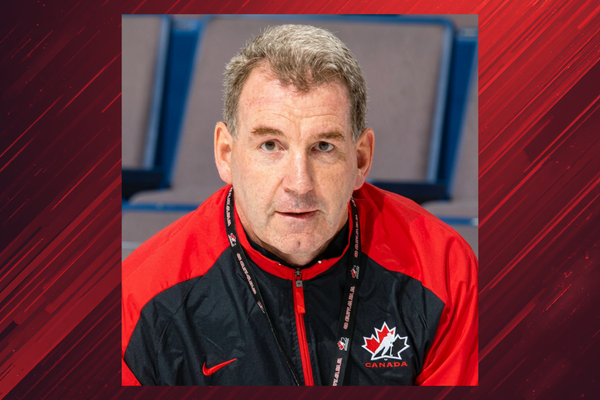
    Few people understand the importance of coach development better than Paul Carson, the former Vice-President of Membership Development at Hockey Canada. 

    Having worked extensively to support coaches and player pathways nationwide, Carson sees the platform as a valuable tool that helps bring consistency, structure, and quality to hockey programming at every level.

    “The Hockey Canada Network brings all of those crucial resources for coaches and players looking to develop their on-ice skills into one place,” says Carson. “Whether you’re coaching at the elite level or helping out a local team of kids looking to have fun and improve their game, we’ve built the Hockey Canada Network as a go-to resource for ideas, plans, and skills and drills.”

    A Well-Organized Resource for Coaches

    One of the aspects Carson appreciates most about the platform is how easily coaches can navigate and access content.

    “I really enjoy navigating through all the content that Hockey Canada provides on the platform,” he explains. “It is well organized and very easy to share with coaching staff, as well as parents who are interested in seeing what’s in store for practice.”

    The platform’s structure is designed to help coaches find exactly what they need, when they need it. Content is organized both by age group and skill progression, ensuring that coaches can deliver developmentally appropriate training for players at every stage.

    “The age-appropriate materials are presented in a progressive manner, and skill content is also arranged progressively,” Carson says. “The drills are diagrammed clearly and supported by video content that helps explain and illustrate exactly how they’re intended to be executed.”

    Supporting Better Practice Planning

    For many coaches, one of the platform’s most valuable features is its ability to streamline practice planning.

    The Hockey Canada Network allows coaches to build customized practice plans or access ready-made sessions that can be adapted to their team’s needs. Carson believes this is especially impactful for younger age groups such as U7, U9, and U11.

    “The ability to organize practice plans or access ready-made plans makes it easy for coaches to be well prepared for ice sessions,” he says. “It also helps ensure support staff know what’s happening before they arrive at the rink.”

    This preparation not only saves time but also helps create more productive and engaging learning environments for young athletes.

    A Foundation for Coach Development

    According to Carson, the platform excels at helping coaches understand and teach the skills and tactics that drive player development.

    “The app does a great job of supporting coaches by providing excellent examples of the skills and individual tactics that support player development,” he explains. “The way the skills and tactics are illustrated helps everyone understand exactly how to execute them.”

    Through combining visual demonstrations with key teaching points and execution cues, coaches are better equipped to deliver clear instruction and provide meaningful feedback during practices.

    However, Carson emphasizes that the platform’s impact ultimately depends on how committed coaches are to using it.

    “It takes time to review all the content and understand everything the app has to offer,” he says. “The real value comes when coaches commit to a planning approach that takes full advantage of the tool.”

    Creating Consistency Across Associations

    Perhaps one of the most exciting opportunities Carson sees is the platform’s potential to create greater consistency across teams and associations.

    For organizations supporting volunteer coaches, many of whom may have limited experience in the sport, the Hockey Canada Network can serve as a trusted roadmap for player development.

    “The tool provides a solid foundation of what should be taught and when,” Carson says. “It takes into account the age level, the skill level of the players, and where the team is in its season.”

    He also sees opportunities for division leaders and technical directors to use the platform as a centralized curriculum tool, creating and distributing practice plans that can be shared across multiple teams.

    “At the younger age levels, this could mean real consistency in the quality of ice sessions players are exposed to,” he notes.

    Delivering Long-Term Impact

    For Carson, the Hockey Canada Network’s greatest strength lies in its ability to support coaches and, in turn, improve the experience for young athletes.

    When coaches have access to high-quality resources, clear development pathways, and practical planning tools, they are better positioned to create positive learning environments that help players build skills, confidence, and a lifelong love of the game.

    “If coaches are supported in their learning and understanding of the platform’s potential, the tool has tremendous value,” Carson says.

    As hockey organizations continue to look for ways to strengthen coach education and player development, the Hockey Canada Network remains a powerful resource. Bringing trusted content, proven practice plans, and progressive skill development together in one place.

    That said, Hockey Canada Network is just one example of what’s possible with Ascend. Explore how the Ascend platform helps sports governing bodies, associations, coaches, and clubs deliver engaging learning experiences, share resources, and support development at every level of sport.

  • Mental Preparation for Big Games

    Mental Preparation for Big Games

    When the stakes are high and the spotlight is brightest, physical ability alone is rarely enough to secure victory. The difference between a good performance and a great one often comes down to mental preparation.

    For teams using Ascend, mastering the mental side of sport is just as critical as refining technique or building strength.

    Big games bring pressure; Crowds, expectations, and the weight of the moment. Without the right mindset, even the most skilled athletes can falter. Mental preparation equips players to handle these challenges with clarity, confidence, and composure.

    One of the most powerful tools in mental preparation is visualization. Before stepping onto the field or court, athletes can mentally rehearse their performance. Seeing themselves executing plays, making smart decisions, and staying calm under pressure. This practice trains the brain to treat imagined success as familiar, making it easier to replicate in real competition.
    Do note visualization isn’t just daydreaming, it’s intentional and highly effective when done consistently.

    Another key component is routine. Pre-game routines help athletes create a sense of control in unpredictable environments. Coaches can help establish these routines – whether it’s listening to music, doing specific warm-ups, or practicing breathing exercises – routines signal to the mind that it’s time to perform. Over time, these habits become anchors that stabilize emotions and sharpen focus.

    Managing nerves is also essential. Feeling anxious before a big game is natural and even beneficial. The goal isn’t to eliminate nerves but to channel them into energy. Techniques like deep breathing and positive self-talk, and even grounding exercises can prevent anxiety from becoming overwhelming. Instead of thinking, “I can’t mess this up,” athletes can reframe their mindset to, “I’m ready for this challenge.”

    Confidence plays a central role in mental readiness. Reflecting on past successes, acknowledging improvements, and trusting in training all contribute to a strong belief in one’s ability. Coaches and athletes on Ascend can reinforce this by setting realistic training goals and tracking progress over time.

    Focus is another defining factor. Big games often come with distractions. You’ve got the crowd noise and opponent tactics. Training the mind to stay present ensures that attention remains on what matters: the current play and the next move. Techniques such as mindfulness and cue words (simple phrases like “stay sharp” or “one play at a time”) can help maintain this focus.

    Finally, resilience is what sustains performance when things don’t go as planned. Mistakes are inevitable for any athlete, especially under pressure. Mentally prepared athletes recover quickly and learn from errors. They understand that one moment does not define the entire game.

    The Ascend sports coaching app empowers athletes and coaches to go beyond physical training by integrating mental preparation into daily practice. By developing visualization habits and establishing routines, athletes gain a competitive edge that cannot be measured on a scoreboard, but is often the deciding factor in big moments.

    In the end, what separates those who merely arrive from those who endure is not the strength of their bodies, but the steadiness of their minds. The quiet, practiced resolve to meet the moment without flinching.

  • Freestyle Ski Canada Teams Up with Ascend for High-Performance Sports Coaching App

    Freestyle Ski Canada Teams Up with Ascend for High-Performance Sports Coaching App

    Freestyle Ski Canada is preparing to take an important step in the evolution of athlete development with the creation of a new custom-built mobile app developed in partnership with Ascend. While the official launch is still ahead, the project already reflects a broader shift in how national sport organizations are using technology to strengthen coaching systems and support athletes, proving that when it comes to innovation, Freestyle Ski Canada is always carving a new path.

    For an organization that represents some of Canada’s most dynamic winter sport disciplines: moguls, aerials, slopestyle, halfpipe, and big air. Innovation has always been part of the culture.
    As the best ski coaches can attest, Freestyle skiing itself is defined by progression, creativity, and adaptation. 

    The new platform aims to bring those pieces together.

    Powering this initiative is Ascend, a company that specializes in building custom-branded digital platforms for sports organizations. Ascend’s technology is designed to help governing bodies and clubs scale athlete development programs, streamline communication, and reinforce organizational culture through modern coaching tools.

    Joy Domingo, Head of Operations at Ascend, says, “We designed the Freestyle Ski Canada App as a centralized digital hub that allows coaches and team members to access training materials, communicate with their teams, and share development resources in one unified space.”

    The app is intended to simplify the way programs are delivered while strengthening the connection between the national organization and the broader freestyle community.

    For Freestyle Ski Canada, the partnership represents more than just the adoption of a new piece of technology. It is an investment in the long-term strength of the sport’s development pathway.

    As preparations continue for the app’s official release, the project reflects a broader belief within the Freestyle sport organization: that the future of sport development will depend not only on the quality of training on the slopes, but also on the systems that support athletes and coaches behind the scenes.

    When the Freestyle Ski Canada App launches, it will represent the next chapter in that evolution. Bringing together innovation, coaching expertise, and community to help shape the future of freestyle skiing in Canada.

  • Building Smarter Training Plans with the Ascend Sports Coaching App

    Building Smarter Training Plans with the Ascend Sports Coaching App

    Sports coaching is the process of guiding athletes to improve their performance, skills, and confidence through structured support, instruction, and feedback. At the core of effective coaching are training plans, which are organized roadmaps that outline what athletes will train, how often, and why.

    What are Training Plans?

    A training plan brings structure and purpose to the coaching process by breaking long-term goals into manageable sessions and phases, ensuring athletes develop physically, technically, and mentally over time. Rather than training randomly, athletes follow a clear progression that balances workload, recovery, and skill development. Training plans also help coaches track progress, adjust for individual needs, and keep athletes focused, motivated, and aligned with their performance goals.

    When coaching young athletes today, having the right tools can significantly elevate both performance and the overall coaching experience. Ascend is a modern sports coaching app designed to simplify how coaches build, manage, and deliver training plans—without sacrificing quality or personalization. Whether you coach individual athletes or entire teams, Ascend helps you organize your ideas, communicate clearly, and keep athletes engaged in their development.

    Create and Manage Training Plans with Ease

    One of Ascend’s biggest strengths is how easy it is to create and manage training plans. Getting started is simple: go to your account profile and click Training Plans. From there, you can create a brand-new training plan or edit any of your existing ones. This intuitive setup saves time and removes the friction often associated with athlete data, coaching documents, game plays, or scattered notes. Everything lives in one centralized place, making it easy to stay organized and consistent.

    Ascend allows coaches to go far beyond basic workout lists. You can build rich, dynamic training plans that truly reflect your coaching philosophy. Within each plan, you can add coaching videos to demonstrate proper technique, explain concepts, or reinforce key cues. This visual element helps athletes better understand expectations and reduces confusion, especially when they’re training remotely or independently.

    In addition to videos, Ascend lets you include helpful articles and informative series that support athlete education. This is especially valuable for teaching topics like recovery, mindset, nutrition habits, or long-term development. Instead of repeating the same explanations over and over, you can embed high-quality educational content directly into the training plan, allowing athletes to learn at their own pace while reinforcing your coaching message.

    Built for Individual Athletes and Flexible Sports Coaching

    Customization is at the heart of Ascend. Every athlete is different, and the app makes it easy to tailor training plans to individual needs. Whether you’re adjusting workloads, emphasizing specific skills, or scaling difficulty levels, Ascend gives you the flexibility to adapt without rebuilding everything from scratch. You can update plans as athletes progress, recover from injury, or transition into new phases of training, ensuring the plan always matches their current situation.

    Another major advantage of Ascend is how it improves communication. Athletes can access their training plans anytime, from any device, which eliminates confusion about what they should be doing and when. Coaches can provide clarity, context, and purpose within the plan itself, helping athletes understand not just what they’re doing, but why they’re doing it. This clarity increases buy-in, consistency, and overall effort.

    Spend Less Time Managing, More Time Coaching with Ascend

    Ultimately, Ascend empowers coaches to spend less time managing logistics and more time coaching. By centralizing training plans, educational content, and media in one easy-to-use platform, it streamlines your workflow while elevating the athlete experience. Everything you need to customize athlete training such as videos, articles, series, charts, and photos are easily accessible to you. For coaches who value efficiency and clarity, Ascend isn’t just a convenience, it’s a game-changing tool for creating training plans.

  • Speed, Agility, and Coordination: Essential Skills for Youth Sports Training

    Speed, Agility, and Coordination: Essential Skills for Youth Sports Training

    When it comes to developing young athletes, three fundamental pillars often define success across all sports — speed, agility, and coordination. Whether it’s a football player sprinting down the field, a basketball guard changing direction on defense, or a tennis player reacting to a serve, these abilities form the foundation of athletic performance. For youth athletes, training these skills early and correctly not only enhances performance but also promotes injury prevention, confidence, and lifelong physical literacy.

    Understanding the Three Pillars

    Speed, at its core, is the ability to move quickly from one point to another. For youth athletes, this doesn’t just mean sprinting faster — it’s about improving acceleration, reaction time, and stride efficiency. Speed training helps children learn how to apply force effectively, control their body mechanics, and develop explosive power safely.

    Agility is the ability to change direction rapidly and efficiently while maintaining control. It requires a blend of balance, coordination, and cognitive reaction — all vital for real-game performance. In sports, agility determines how quickly a player can transition from offense to defense or dodge an opponent’s challenge.

    Coordination refers to the seamless synchronization of movement patterns. It’s the glue that connects speed and agility. For younger athletes, coordination is critical in developing motor skills — catching, throwing, kicking, or maintaining balance. A coordinated athlete can execute complex skills with precision and fluidity.

    Together, these three elements form a performance triangle that every youth coach should prioritize in training programs.

    Why Early Development Matters

    Children are most receptive to learning movement skills between the ages of 8 and 14. During this period, the brain is highly adaptable, allowing athletes to absorb and refine motor patterns more efficiently. This “golden window” is the perfect time to teach fundamental athletic skills like sprint mechanics, lateral movement, and body control.

    Unfortunately, many young athletes today specialize too early in one sport, focusing on repetitive skills rather than building a broad athletic foundation. This can lead to imbalances, overuse injuries, and reduced overall athleticism. Coaches who emphasize speed, agility, and coordination training across different movements and sports create athletes who are more adaptable, durable, and confident.

    Effective Training Strategies

    Developing speed, agility, and coordination in youth athletes doesn’t require overly complex drills — it requires smart, progressive training. Here are some practical approaches:

    1. Start with Movement Fundamentals

    Teach proper running mechanics, posture, and foot placement. Use short sprints, skipping drills, and acceleration starts to help athletes understand movement efficiency.

    2. Train Agility Through Play

    Games like tag, mirror drills, or reactive cone drills challenge young athletes to change direction based on visual or auditory cues. This makes agility training fun and game-like while improving reaction speed.

    3. Build Coordination Through Variety
    Incorporate balance exercises, jumping and landing drills, and crossover movements. Sports like gymnastics, martial arts, or dance can also improve coordination and proprioception — the body’s awareness in space.

    4. Include Reaction and Decision-Making

    Agility isn’t just physical — it’s cognitive. Drills that require reacting to a coach’s signal, a teammate’s movement, or a changing environment simulate real-game demands.

    5. Prioritize Proper Progression

    Keep drills age-appropriate. Younger athletes should focus on body control and movement quality, while older youth can safely integrate resistance, plyometrics, and more advanced drills.

    The Role of Coaching and Communication

    A coach’s ability to communicate clearly and consistently is vital for developing these skills. Youth athletes thrive on feedback and structure, but too much complexity can overwhelm them. Effective coaches simplify instruction, demonstrate movements clearly, and give athletes room to explore and self-correct.

    In today’s fast-paced sports environment, many coaches also manage multiple teams or remote training sessions. Keeping every athlete aligned with the same drills, goals, and philosophy can be challenging. That’s where technology becomes a game-changer.

    Streamline Your Coaching with Ascend Sports Coaching

    Imagine being able to deliver your coaching message with clarity and speed — no confusion, no delays, and no missed opportunities for feedback. 

    The Ascend Sports Coaching app is designed to do just that.

    With Ascend, you can:

    In youth sports, consistency and communication are just as important as the drills themselves. Ascend helps coaches stay connected, organized, and effective. Ensuring that every athlete understands what to do, why it matters, and how to improve.

    • Share custom training content instantly with your athletes or coaching staff.
    • Keep your entire team aligned with your strategy, even when they’re training remotely.
    • Send videos, drills, and performance notes directly through the app for seamless communication.
    • Track athlete progress and adjust training plans in real-time.

    Developing speed, agility, and coordination isn’t just about performance, it’s about building complete, confident, and capable athletes. By focusing on these fundamentals, coaches can help young players build a foundation that supports every sport and every goal they pursue.

  • Empowering Women in Sport: The Canada Games Apprenticeship Program Opening Doors for Future Coaches

    Empowering Women in Sport: The Canada Games Apprenticeship Program Opening Doors for Future Coaches

    For decades, the Canada Games have showcased the country’s best young athletes, a celebration of competition, community, and national pride. But behind every athlete is a coach who helps them dream bigger, work harder, and find their purpose in sport. For women, breaking into those coaching roles hasn’t always been easy.

    Through the Canada Games Apprenticeship Program, doors are opening for the next generation of women coaches

    That’s why the Women in Coaching Canada Games Apprenticeship Program is changing the game — one coach at a time.

    This national initiative, a partnership between the Provincial/Territorial Coaching Representatives (PTCRs), the Canada Games Council (CGC), and the Coaching Association of Canada (CAC), gives women coaches from every province and territory the chance to step onto the Canada Games stage in apprenticeship roles. Two women coaches from each region are selected to join their teams, gaining hands-on experience, mentorship, and exposure at one of Canada’s premier multi-sport events.

    It’s more than an opportunity. It’s a movement toward equity, representation, and lasting change in Canadian sport.

    Creating Pathways for Women in Coaching

    The Canada Games environment is unlike any other — fast-paced, demanding, and deeply inspiring. For an apprentice coach, being immersed in that atmosphere provides lessons that no classroom or online course can replicate.

    Through the apprenticeship program, women coaches gain the practical experience and mentorship that often mark the difference between potential and opportunity. Working directly with athletes and teams, each coach is supported by an experienced mentor coach, ensuring that learning happens not only on the field of play but also through reflection, collaboration, and shared experience.

    For many participants, this hands-on environment becomes the launching pad for long-term coaching success from community sport to national-level competition.

    The Power of Experience and Mentorship

    Apprentice coaches are fully involved in the preparation and competition process. They contribute to game planning, athlete development, and the overall team dynamic, all while learning to navigate the realities of high-performance sport. Alongside their mentor coach, they explore everything from performance analysis to mental preparation and how to manage the emotional highs and lows of elite competition.

    A Call to Future Leaders

    Applications are now open for women coaches who are eager to take the next step in their journey. Whether they’re working with young athletes at the grassroots level or beginning to move into competitive coaching, the program offers an unparalleled opportunity to grow, learn, and connect.

    Interested coaches can review the program guidelines and access the application form –
    https://www.coach.ca/programs-and-initiatives/mentorship-and-apprenticeships/women-coaching-canada-games-apprenticeship

    By sharing this opportunity within your network — and encouraging emerging women coaches to apply — you help open doors for others and build a stronger, more inclusive sport community across Canada.

    Looking Ahead

    As the next Canada Games draw near, anticipation builds not only for the athletes who will compete, but also for the coaches who will guide them. Programs like the Women in Coaching Canada Games Apprenticeship Program remind us that leadership in sport comes in many forms — and that when women are empowered to lead, everyone benefits.

    Because when a coach rises, so do her athletes. So does her community. And so does the future of sport in Canada.