
Tag: training

  • Building Smarter Training Plans with the Ascend Sports Coaching App

    Building Smarter Training Plans with the Ascend Sports Coaching App

    Sports coaching is the process of guiding athletes to improve their performance, skills, and confidence through structured support, instruction, and feedback. At the core of effective coaching are training plans, which are organized roadmaps that outline what athletes will train, how often, and why.

    What are Training Plans?

    A training plan brings structure and purpose to the coaching process by breaking long-term goals into manageable sessions and phases, ensuring athletes develop physically, technically, and mentally over time. Rather than training randomly, athletes follow a clear progression that balances workload, recovery, and skill development. Training plans also help coaches track progress, adjust for individual needs, and keep athletes focused, motivated, and aligned with their performance goals.

    When coaching young athletes today, having the right tools can significantly elevate both performance and the overall coaching experience. Ascend is a modern sports coaching app designed to simplify how coaches build, manage, and deliver training plans—without sacrificing quality or personalization. Whether you coach individual athletes or entire teams, Ascend helps you organize your ideas, communicate clearly, and keep athletes engaged in their development.

    Create and Manage Training Plans with Ease

    One of Ascend’s biggest strengths is how easy it is to create and manage training plans. Getting started is simple: go to your account profile and click Training Plans. From there, you can create a brand-new training plan or edit any of your existing ones. This intuitive setup saves time and removes the friction often associated with athlete data, coaching documents, game plays, or scattered notes. Everything lives in one centralized place, making it easy to stay organized and consistent.

    Ascend allows coaches to go far beyond basic workout lists. You can build rich, dynamic training plans that truly reflect your coaching philosophy. Within each plan, you can add coaching videos to demonstrate proper technique, explain concepts, or reinforce key cues. This visual element helps athletes better understand expectations and reduces confusion, especially when they’re training remotely or independently.

    In addition to videos, Ascend lets you include helpful articles and informative series that support athlete education. This is especially valuable for teaching topics like recovery, mindset, nutrition habits, or long-term development. Instead of repeating the same explanations over and over, you can embed high-quality educational content directly into the training plan, allowing athletes to learn at their own pace while reinforcing your coaching message.

    Built for Individual Athletes and Flexible Sports Coaching

    Customization is at the heart of Ascend. Every athlete is different, and the app makes it easy to tailor training plans to individual needs. Whether you’re adjusting workloads, emphasizing specific skills, or scaling difficulty levels, Ascend gives you the flexibility to adapt without rebuilding everything from scratch. You can update plans as athletes progress, recover from injury, or transition into new phases of training, ensuring the plan always matches their current situation.

    Another major advantage of Ascend is how it improves communication. Athletes can access their training plans anytime, from any device, which eliminates confusion about what they should be doing and when. Coaches can provide clarity, context, and purpose within the plan itself, helping athletes understand not just what they’re doing, but why they’re doing it. This clarity increases buy-in, consistency, and overall effort.

    Spend Less Time Managing, More Time Coaching with Ascend

    Ultimately, Ascend empowers coaches to spend less time managing logistics and more time coaching. By centralizing training plans, educational content, and media in one easy-to-use platform, it streamlines your workflow while elevating the athlete experience. Everything you need to customize athlete training such as videos, articles, series, charts, and photos are easily accessible to you. For coaches who value efficiency and clarity, Ascend isn’t just a convenience, it’s a game-changing tool for creating training plans.
  • Speed, Agility, and Coordination: Essential Skills for Youth Sports Training

    Speed, Agility, and Coordination: Essential Skills for Youth Sports Training

    When it comes to developing young athletes, three fundamental pillars often define success across all sports — speed, agility, and coordination. Whether it’s a football player sprinting down the field, a basketball guard changing direction on defense, or a tennis player reacting to a serve, these abilities form the foundation of athletic performance. For youth athletes, training these skills early and correctly not only enhances performance but also promotes injury prevention, confidence, and lifelong physical literacy.

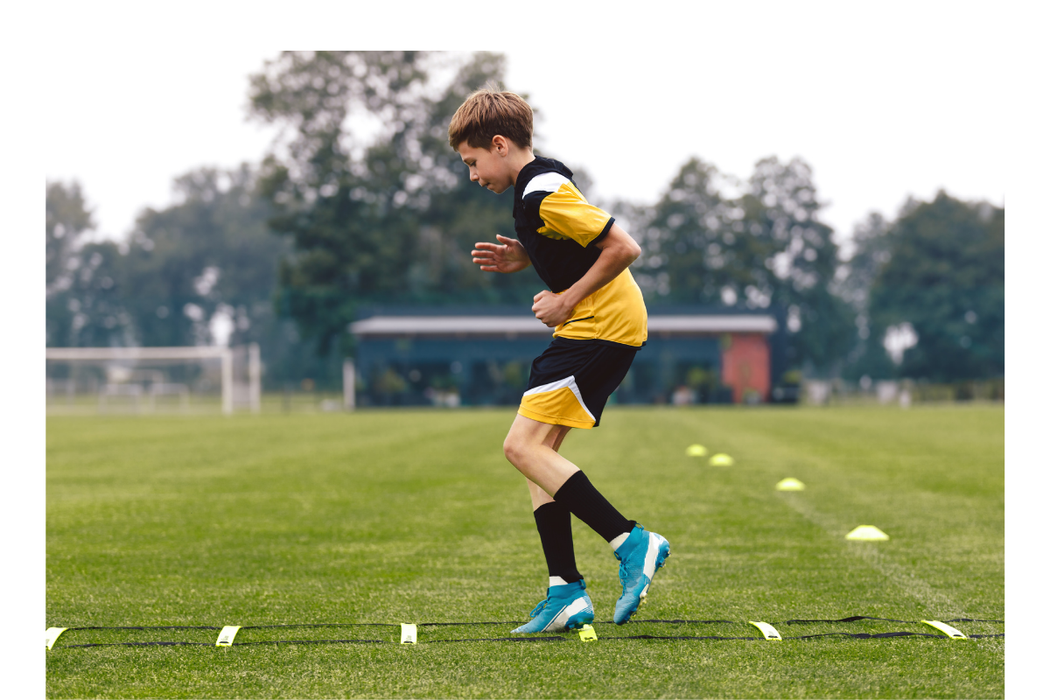
    Developing speed, agility, and coordination builds the foundation for athletic excellence in every young player

    Understanding the Three Pillars

    Speed, at its core, is the ability to move quickly from one point to another. For youth athletes, this doesn’t just mean sprinting faster — it’s about improving acceleration, reaction time, and stride efficiency. Speed training helps children learn how to apply force effectively, control their body mechanics, and develop explosive power safely.

    Agility is the ability to change direction rapidly and efficiently while maintaining control. It requires a blend of balance, coordination, and cognitive reaction — all vital for real-game performance. In sports, agility determines how quickly a player can transition from offense to defense or dodge an opponent’s challenge.

    Coordination refers to the seamless synchronization of movement patterns. It’s the glue that connects speed and agility. For younger athletes, coordination is critical in developing motor skills — catching, throwing, kicking, or maintaining balance. A coordinated athlete can execute complex skills with precision and fluidity.

    Together, these three elements form a performance triangle that every youth coach should prioritize in training programs.

    Why Early Development Matters

    Children are most receptive to learning movement skills between the ages of 8 and 14. During this period, the brain is highly adaptable, allowing athletes to absorb and refine motor patterns more efficiently. This “golden window” is the perfect time to teach fundamental athletic skills like sprint mechanics, lateral movement, and body control.

    Unfortunately, many young athletes today specialize too early in one sport, focusing on repetitive skills rather than building a broad athletic foundation. This can lead to imbalances, overuse injuries, and reduced overall athleticism. Coaches who emphasize speed, agility, and coordination training across different movements and sports create athletes who are more adaptable, durable, and confident.

    Effective Training Strategies

    Developing speed, agility, and coordination in youth athletes doesn’t require overly complex drills — it requires smart, progressive training. Here are some practical approaches:

    1. Start with Movement Fundamentals

    Teach proper running mechanics, posture, and foot placement. Use short sprints, skipping drills, and acceleration starts to help athletes understand movement efficiency.

    2. Train Agility Through Play

    Games like tag, mirror drills, or reactive cone drills challenge young athletes to change direction based on visual or auditory cues. This makes agility training fun and game-like while improving reaction speed.

    3. Build Coordination Through Variety
    Incorporate balance exercises, jumping and landing drills, and crossover movements. Sports like gymnastics, martial arts, or dance can also improve coordination and proprioception — the body’s awareness in space.

    4. Include Reaction and Decision-Making

    Agility isn’t just physical — it’s cognitive. Drills that require reacting to a coach’s signal, a teammate’s movement, or a changing environment simulate real-game demands.

    5. Prioritize Proper Progression

    Keep drills age-appropriate. Younger athletes should focus on body control and movement quality, while older youth can safely integrate resistance, plyometrics, and more advanced drills.

    The Role of Coaching and Communication

    A coach’s ability to communicate clearly and consistently is vital for developing these skills. Youth athletes thrive on feedback and structure, but too much complexity can overwhelm them. Effective coaches simplify instruction, demonstrate movements clearly, and give athletes room to explore and self-correct.

    In today’s fast-paced sports environment, many coaches also manage multiple teams or remote training sessions. Keeping every athlete aligned with the same drills, goals, and philosophy can be challenging. That’s where technology becomes a game-changer.

    Streamline Your Coaching with Ascend Sports Coaching

    Imagine being able to deliver your coaching message with clarity and speed — no confusion, no delays, and no missed opportunities for feedback. 

    The Ascend Sports Coaching app is designed to do just that.

    With Ascend, you can:

    In youth sports, consistency and communication are just as important as the drills themselves. Ascend helps coaches stay connected, organized, and effective. Ensuring that every athlete understands what to do, why it matters, and how to improve.

    • Share custom training content instantly with your athletes or coaching staff.
    • Keep your entire team aligned with your strategy, even when they’re training remotely.
    • Send videos, drills, and performance notes directly through the app for seamless communication.
    • Track athlete progress and adjust training plans in real-time.

    Developing speed, agility, and coordination isn’t just about performance, it’s about building complete, confident, and capable athletes. By focusing on these fundamentals, coaches can help young players build a foundation that supports every sport and every goal they pursue.