Tag: youth sports

  • Let Them Try: Why Sampling Different Sports Matters

    Let Them Try: Why Sampling Different Sports Matters

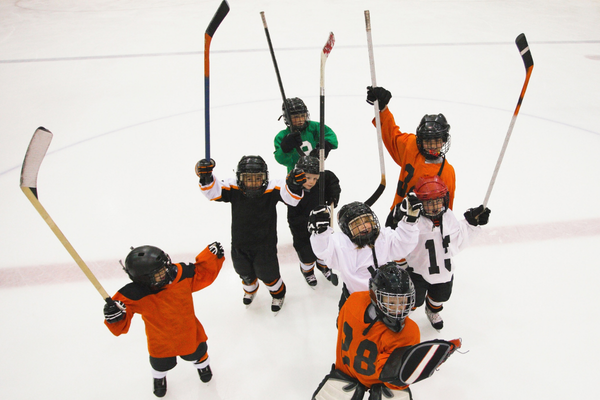
    Choosing a sport can feel like an important decision for a young athlete and their family. With competitive leagues, development programs, scholarships, and professional pathways often receiving attention, there can be pressure to identify the “right” sport as early as possible.

    However, young athletes do not always know what suits them after a single season. They may need time to explore different environments, learn new skills, and understand what genuinely excites them. Sampling several sports before specializing gives them the freedom to discover where they feel most motivated, capable, and connected.

    Discovering Genuine Interest

    A young athlete may initially choose a sport because friends are playing, a family member enjoys it, or a famous athlete has inspired them. These are perfectly good reasons to begin, but they do not necessarily indicate a lasting passion.

    Trying different sports allows young athletes to compare experiences. One may enjoy the constant movement and teamwork of soccer, while another may prefer the individual focus of swimming. Some may thrive in fast-paced competition, while others feel more engaged in sports that reward patience, precision, or strategy.

    The goal is not to immediately find the sport in which they perform best. It is to notice which activity makes them eager to return. Genuine enthusiasm often appears in simple ways: talking about practice afterward, wanting to improve a skill, or continuing to play without being reminded.

    Building a Wider Range of Skills

    Different sports develop different physical and mental abilities. Basketball can strengthen coordination, spatial awareness, and quick decision-making. Gymnastics can build balance and body control. Swimming supports endurance, while martial arts may develop concentration, discipline, and confidence.

    When young athletes participate in several activities, they build a broader athletic foundation. Skills learned in one sport may also transfer to another. Agility developed through soccer may help on a tennis court, while the timing learned in volleyball may support future success in basketball.

    Variety also encourages adaptability. Young athletes learn how to respond to different coaches, teammates, rules, and competitive situations. These experiences can make them more versatile and confident when they eventually decide to focus on one sport.

    Reducing Pressure and Burnout

    Specializing too soon can sometimes turn an enjoyable activity into an obligation. Repeating the same training schedule throughout the year may lead to mental fatigue, declining motivation, or frustration when progress slows.

    Sampling sports gives young athletes room to refresh their interest. A different season introduces new challenges and allows heavily used movement patterns to rest. It can also remind them that sport is not only about rankings, selection, or future opportunities. It is also about play, friendship, curiosity, and personal growth.

    Parents and coaches can support this process by asking open questions. Instead of focusing only on scores or results, they might ask:

    • What did you enjoy most today?
    • What skill would you like to learn next?
    • Did you feel comfortable with your coach and teammates?
    • Would you choose to play this sport again?

    The answers can reveal more than a win-loss record.

    Knowing When Specialization Makes Sense

    Sampling does not mean avoiding commitment forever. As young athletes mature, some will naturally develop a strong preference. They may begin requesting additional practice, seeking more advanced coaching, or setting personal goals within a particular sport.

    At that point, specialization can become a thoughtful next step rather than a decision made for them. Families should consider not only ability, but also motivation, physical readiness, coaching quality, time demands, costs, and the athlete’s overall well-being.

    A possible career should be approached as a pathway, not a promise. Professional competition is only one future within sport. Experience can also lead toward coaching, officiating, athletic therapy, sports science, management, media, or community development. The lessons gained through participation remain valuable even when the original goal changes.

    Supporting Every Stage with Ascend

    As young athletes explore different sports, clear communication and organized development can help them understand their progress. Ascend gives coaches a central place to share training plans, instructional resources, feedback, and team updates. This makes it easier to create structured experiences while adapting support to each athlete’s changing interests and needs.

    The right sport is not always the first one a young athlete tries, or even the one in which they win first. Sometimes the most meaningful beginning is simply having the freedom to step onto different fields, courts, tracks, and pools until one of them feels like a place worth returning to.
  • Speed, Agility, and Coordination: Essential Skills for Youth Sports Training

    Speed, Agility, and Coordination: Essential Skills for Youth Sports Training

    When it comes to developing young athletes, three fundamental pillars often define success across all sports — speed, agility, and coordination. Whether it’s a football player sprinting down the field, a basketball guard changing direction on defense, or a tennis player reacting to a serve, these abilities form the foundation of athletic performance. For youth athletes, training these skills early and correctly not only enhances performance but also promotes injury prevention, confidence, and lifelong physical literacy.

    Understanding the Three Pillars

    Speed, at its core, is the ability to move quickly from one point to another. For youth athletes, this doesn’t just mean sprinting faster — it’s about improving acceleration, reaction time, and stride efficiency. Speed training helps children learn how to apply force effectively, control their body mechanics, and develop explosive power safely.

    Agility is the ability to change direction rapidly and efficiently while maintaining control. It requires a blend of balance, coordination, and cognitive reaction — all vital for real-game performance. In sports, agility determines how quickly a player can transition from offense to defense or dodge an opponent’s challenge.

    Coordination refers to the seamless synchronization of movement patterns. It’s the glue that connects speed and agility. For younger athletes, coordination is critical in developing motor skills — catching, throwing, kicking, or maintaining balance. A coordinated athlete can execute complex skills with precision and fluidity.

    Together, these three elements form a performance triangle that every youth coach should prioritize in training programs.

    Why Early Development Matters

    Children are most receptive to learning movement skills between the ages of 8 and 14. During this period, the brain is highly adaptable, allowing athletes to absorb and refine motor patterns more efficiently. This “golden window” is the perfect time to teach fundamental athletic skills like sprint mechanics, lateral movement, and body control.

    Unfortunately, many young athletes today specialize too early in one sport, focusing on repetitive skills rather than building a broad athletic foundation. This can lead to imbalances, overuse injuries, and reduced overall athleticism. Coaches who emphasize speed, agility, and coordination training across different movements and sports create athletes who are more adaptable, durable, and confident.

    Effective Training Strategies

    Developing speed, agility, and coordination in youth athletes doesn’t require overly complex drills — it requires smart, progressive training. Here are some practical approaches:

    1. Start with Movement Fundamentals

    Teach proper running mechanics, posture, and foot placement. Use short sprints, skipping drills, and acceleration starts to help athletes understand movement efficiency.

    2. Train Agility Through Play

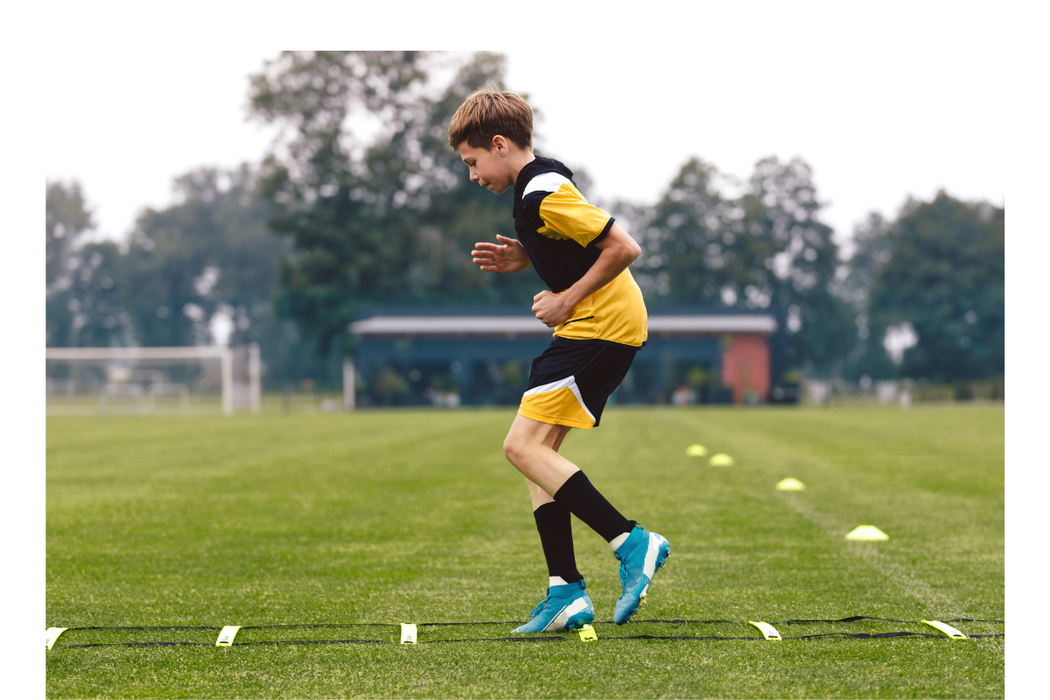
    Games like tag, mirror drills, or reactive cone drills challenge young athletes to change direction based on visual or auditory cues. This makes agility training fun and game-like while improving reaction speed.

    3. Build Coordination Through Variety
    Incorporate balance exercises, jumping and landing drills, and crossover movements. Sports like gymnastics, martial arts, or dance can also improve coordination and proprioception — the body’s awareness in space.

    4. Include Reaction and Decision-Making

    Agility isn’t just physical — it’s cognitive. Drills that require reacting to a coach’s signal, a teammate’s movement, or a changing environment simulate real-game demands.

    5. Prioritize Proper Progression

    Keep drills age-appropriate. Younger athletes should focus on body control and movement quality, while older youth can safely integrate resistance, plyometrics, and more advanced drills.

    The Role of Coaching and Communication

    A coach’s ability to communicate clearly and consistently is vital for developing these skills. Youth athletes thrive on feedback and structure, but too much complexity can overwhelm them. Effective coaches simplify instruction, demonstrate movements clearly, and give athletes room to explore and self-correct.

    In today’s fast-paced sports environment, many coaches also manage multiple teams or remote training sessions. Keeping every athlete aligned with the same drills, goals, and philosophy can be challenging. That’s where technology becomes a game-changer.

    Streamline Your Coaching with Ascend Sports Coaching

    Imagine being able to deliver your coaching message with clarity and speed — no confusion, no delays, and no missed opportunities for feedback. 

    The Ascend Sports Coaching app is designed to do just that.

    With Ascend, you can:

    In youth sports, consistency and communication are just as important as the drills themselves. Ascend helps coaches stay connected, organized, and effective. Ensuring that every athlete understands what to do, why it matters, and how to improve.

    • Share custom training content instantly with your athletes or coaching staff.
    • Keep your entire team aligned with your strategy, even when they’re training remotely.
    • Send videos, drills, and performance notes directly through the app for seamless communication.
    • Track athlete progress and adjust training plans in real-time.

    Developing speed, agility, and coordination isn’t just about performance, it’s about building complete, confident, and capable athletes. By focusing on these fundamentals, coaches can help young players build a foundation that supports every sport and every goal they pursue.